
Vegetables
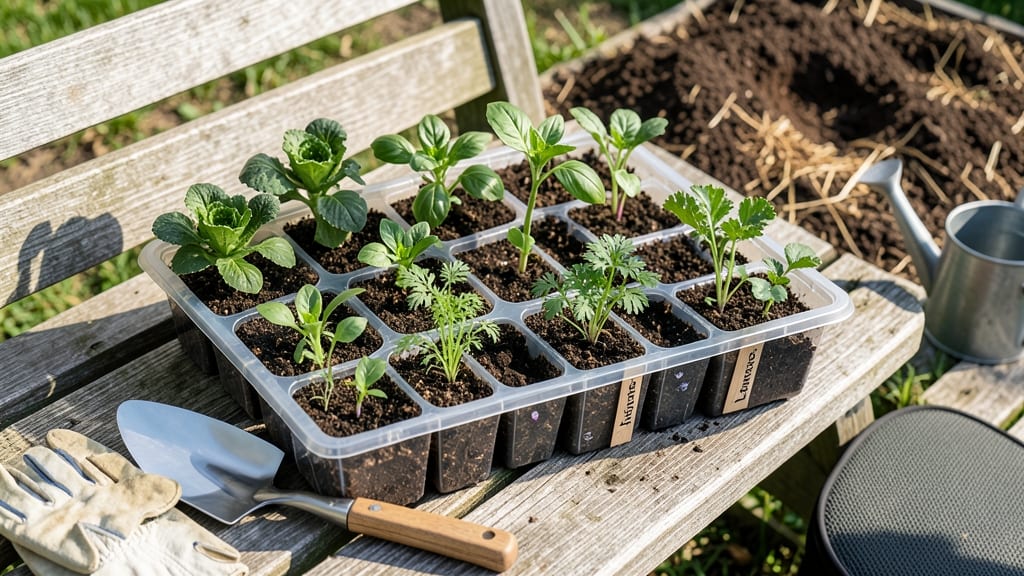
Planting vegetables in the garden at the wrong time means struggling with frost damage or bolting greens—don't let that happen to you. 🌱 The key is matching each crop to its ideal window, whether it thrives in cool soil or needs warm earth to germinate.
My first year, I lost half my lettuce to heat and my tomatoes to late frost—now I time everything by local freeze dates and moon phases (yes, really). You'll need a simple planting calendar (free ones online work great) and a thermometer for soil temperature.
Cool-season crops like spinach and peas go in early spring or fall when nights stay below 70°F, while warm-season tomatoes and peppers wait until soil hits 60°F. The payoff? Lush, productive plants that give you harvests from spring through fall without the guesswork.
By mid-summer, you'll be enjoying garden-fresh tomatoes and peppers at their peak, while your fall crops like kale and carrots establish roots before winter. The secret is overlapping plantings—start cool crops early, warm crops late, and you'll have something ready to harvest every month.
This works for backyard plots, raised beds, or even containers on patios. Here's how to sync your planting with nature's rhythm!
📚 In This Guide
- What you need
- Instructions
- Tips and common mistakes
- Wrapping up and next steps
What you need
- ● Seeds or seedlings: Choose annual varieties (e.g., tomatoes, lettuce, zucchini) or perennial options (e.g., asparagus, rhubarb, artichokes) based on your climate zone.
- ● Quantity: Start with 5–10 plants per variety (or follow seed packet recommendations).
- ● Soil: High-quality garden soil or potting mix (sterilized, well-draining).
- ○ Optional: Compost (1–2 bags per 10 sq. ft.) for nutrient boost.
- ● Tools: Hand trowel or transplanting spade
- ● Garden fork (for loosening soil)
- ● Pruners or scissors (for trimming seedlings)
- ● Watering can or hose with adjustable nozzle
- ● Gloves (to protect your hands)
- ● Sunlight: Full sun (6+ hours/day) for most vegetables; partial shade for leafy greens like spinach.
- ● Water source: Reliable access (drip irrigation or soaker hoses work best).
- ● Frost dates: Know your last frost date (spring) and first frost date (fall) for your zone (check Almanac’s Frost Calculator).
- ○ Optional but helpful: Mulch (straw or shredded leaves) to retain moisture.
- ● Row covers or cold frames for extending seasons.
- ● pH test kit (ideal soil pH: 6.0–7.0 for most veggies).
Instructions for planting vegetables at the right time
Timing makes all the difference—plant too early and risk frost damage, too late and miss peak harvests.
📅 Step 1: Know Your Frost Dates and Growing Zones
First, find your last spring frost date and first fall frost date—these are your planting bookends. I always check the USDA Plant Hardiness Zone Map to confirm my local zone, then add 2-4 weeks before the last frost for cool-season crops like peas and lettuce. Warm-season veggies like tomatoes and peppers need soil to stay above 60°F for 2 weeks straight before planting.
Here's the thing—your garden center might sell tomato plants in early spring, but planting them too soon just stunts their growth. Wait until nighttime temperatures stay above 55°F consistently. I mark my calendar with these dates every year and adjust for any early/late frosts my area is known for.
☀️ Step 2: Match Planting Time to Vegetable Type
Annual vegetables fall into two main categories: cool-season crops that thrive in 50-65°F and warm-season crops that need 70-85°F. Cool-season plants like broccoli, spinach, and carrots can handle light frosts and often do best when sown 4-6 weeks before your last frost. I like to get these in the ground early so they mature before summer heat sets in.
Warm-season vegetables like beans, cucumbers, and squash won't germinate until soil reaches 60°F. Plant them 2-4 weeks after your last frost date when the ground has warmed up. If you're in a short-season area, opt for fast-maturing varieties—those labeled 50-60 days to harvest give you the best chance to enjoy homegrown veggies before fall.
🌱 Step 3: Plan for Successive Plantings and Extend the Season
Don't plant everything at once—that's how you end up with a glut of zucchini all at once. Instead, stagger plantings every 2-3 weeks for crops like lettuce, radishes, and bush beans. This ensures a steady harvest instead of one big rush. I like to make a simple chart with my planting dates so I don't forget.
For year-round growing, plan a fall crop right after your summer vegetables finish. Many cool-season crops tolerate light frosts and can be planted 8-10 weeks before your first frost date. Use row covers or cold frames to extend the season even further. I've grown spinach and kale through winter this way—just be prepared to harvest before the ground freezes solid.
🌡️ Step 4: Adjust for Your Microclimate
Your garden might have hotter or cooler spots that affect planting times. South-facing areas warm up faster in spring and stay warmer longer in fall, while north-facing spots remain cooler. I always test my soil temperature with a simple soil thermometer before planting warm-season crops—if it's still below 60°F, wait a few more days.
Wind, shade from fences or buildings, and even pavement nearby can create microclimates that change your effective frost dates. If you notice certain areas in your yard that stay colder or warmer than others, adjust your planting schedule accordingly. I've had to move my tomato plants to a sunnier spot more than once because the original location stayed too cool.
⏰ Step 5: Use Seed Packets as Your Guide
Every seed packet includes planting instructions that account for average conditions. These often suggest planting times relative to your last frost date, like "plant 4-6 weeks before last frost" or "plant after last frost when soil is warm." Pay attention to these guidelines—they're based on real growing trials and will save you from guessing.
Don't ignore the "days to maturity" either. This tells you how long until harvest, which helps you plan when to plant for your specific season length. For example, if you have a 90-day growing season and want to harvest tomatoes in 70 days, plant them 20 days before your first frost. I always calculate this backward from my expected frost date to avoid planting too late.
Tips & tricks for perfect vegetable planting timing
Timing your vegetable garden right means the difference between a thriving harvest and wasted effort. Here's what I've learned from years of trial and error in the garden.
Frost Date Flexibility: The 2-4 weeks before your last frost date for cool-season crops isn't a rigid timeline—it's a guideline. If your spring comes early with unusually warm temperatures, you can safely plant those peas and lettuce 1-2 weeks ahead of schedule. Just keep an eye on the forecast and have row covers ready if a late frost threatens. I've planted spinach 3 weeks early in mild winters without issues, but I always check the 10-day forecast first.
Soil Temperature Secret: That 60°F soil temperature threshold for warm-season crops isn't just about germination—it's about root development too. Use a soil thermometer to check in the afternoon when soil is warmest. If temperatures fluctuate between 55°F and 60°F, wait a few more days. I've seen cucumber seeds fail to sprout when planted at 58°F, even though they were "ready" according to air temperature alone.
Season Extension Hacks: The 8-10 weeks before first frost for fall planting works best in most zones, but you can push it further with simple tools. Cold frames can extend your growing season by 4-6 weeks, while row covers add 2-3 weeks. I've grown kale through December in Zone 5 using a low-cost cold frame—just remember to harvest before the ground freezes solid. For extra protection, add a thick layer of straw mulch around plants.
Microclimate Mapping: Your garden isn't one uniform temperature—it's a patchwork of microclimates. Test soil temperatures in multiple locations before planting warm-season crops. South-facing beds might be ready 5-7 days earlier than north-facing ones. I've mapped my garden and found a 10°F difference between my sunniest spot and the shadiest corner on a spring morning. This knowledge lets me plant heat-lovers earlier in warm microclimates.
Pro Tips for When Plant Vegetables In Garden
- Timing your vegetable garden right means the difference between a thriving harvest and wasted effort. Here's what I'v...
- Frost Date Flexibility: The 2-4 weeks before your last frost date for cool-season crops isn't a rigid timeline—it's a...
- Soil Temperature Secret: That 60°F soil temperature threshold for warm-season crops isn't just about germination—it's...
Frequently asked questions
Got questions about planting your garden? You’re not alone—timing, soil prep, and troubleshooting can feel overwhelming! Here’s a quick guide to the most common concerns when planting vegetables, whether you’re growing annuals or perennials for year-round harvests.
When is the best time to plant vegetables in my garden?
The ideal time depends on your climate and the vegetable type. Cool-season crops (like lettuce, spinach, or peas) thrive in early spring or fall, while warm-season crops (tomatoes, peppers, or cucumbers) need to go in after the last frost. Check your USDA Plant Hardiness Zone for local guidance!
Can I plant vegetables year-round, or do I need to wait for specific seasons?
Many vegetables are seasonal, but with the right planning, you can extend growing periods. Use row covers in early spring/fall or grow perennials (like asparagus or rhubarb) for multiple harvests. In warmer climates, winter crops (kale, carrots) may even thrive year-round!
What if I plant too early or too late? How do I fix it?
If planted too early, seedlings may rot in cold soil—wait until the ground warms to at least 50°F (10°C). If planted too late, warm-season crops might bolt (flower prematurely). For a quick fix, use black plastic mulch to warm soil faster or opt for fast-maturing varieties.
Do I need to plant annuals and perennials differently?
Yes! Annuals (like zucchini or beans) grow, produce, and die in one season—plant them fresh each year. Perennials (asparagus, herbs) return yearly but need patience (2–3 years for full harvest). Focus on soil health for perennials, as they’ll stay in the ground longer.
What’s the fastest way to troubleshoot poor growth after planting?
Check these first:
- Watering: Too much or too little? Aim for 1–1.5 inches/week.
- Soil: Compacted or nutrient-poor? Amend with compost or organic matter.
- Pests: Yellowing leaves? Inspect for aphids or slugs—use neem oil or diatomaceous earth.
- Sunlight: Wilting? Ensure 6+ hours of sun/day for most veggies.
Still stumped? Snap a photo of your plants and tag #GardenHelp—community gardeners love troubleshooting!
Wrapping up and next steps
Planting vegetables in your garden is a rewarding journey—whether you’re nurturing perennials that return year after year or sowing annuals for seasonal harvests. Remember, timing is everything: align your planting with your climate, soil conditions, and the unique needs of each plant.
With the right preparation and a little patience, you’ll enjoy a thriving garden filled with fresh, homegrown goodness!
Ready to get started? Grab your gardening tools, check your local frost dates, and dive in! 🌱 Start small, track your progress, and soon you’ll be reaping the delicious (and satisfying) rewards of your hard work.