
Propagation
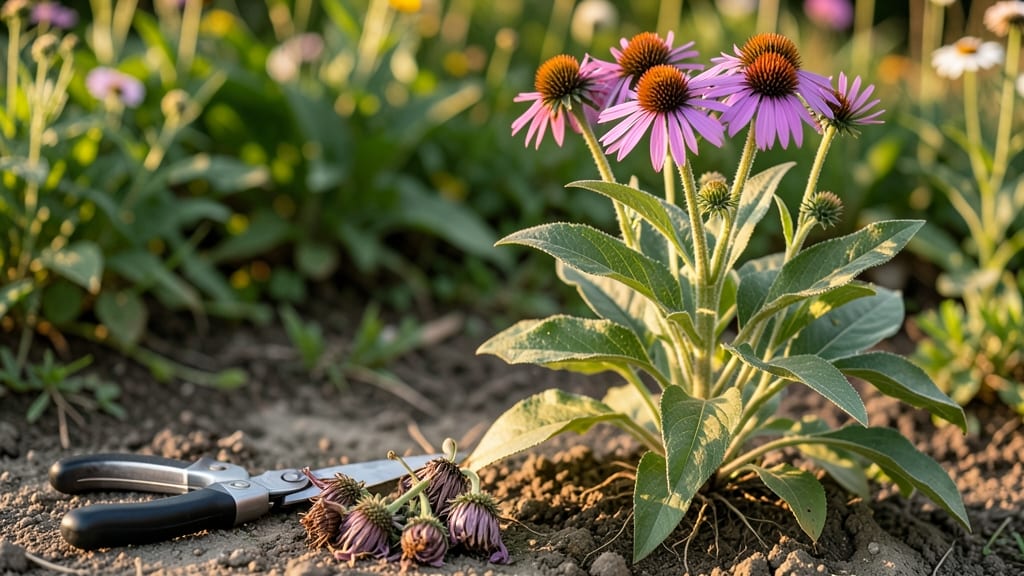
To cut coneflowers for stronger spring blooms, aim for late winter or early spring—typically after the last frost but before new growth appears.
Picture this: you’re eager to tidy up your garden, but you cut back those 🌼 coneflowers too soon, and suddenly, your plants look half-dead. Or worse, you wait until summer and miss the chance to encourage lush, vibrant blooms next season. Timing really is everything.
In USDA Zone 6a (and similar climates), the ideal window is February to March—just as the ground thaws but before the first signs of fresh green shoots. This timing prevents disease, removes last year’s spent foliage, and gives your coneflowers a clean slate for the growing season ahead.
Below, I’ll walk you through the exact steps, tools, and regional tweaks to ensure your coneflowers rebound with healthier stems and more abundant blooms—no guesswork required.
Best time to prune coneflowers for optimal growth and blooms
Pruning coneflowers (Echinacea) at the right time is crucial for healthy growth and abundant blooms next season. The best window is late winter to early spring, typically between February and March in most U.S. climates.
This timing removes dead foliage while leaving the plant's energy reserves intact for new shoots. Cutting too early can damage emerging buds, while waiting too long risks disease buildup in old stems.
Coneflowers are perennial plants that enter dormancy in winter. Pruning during this dormant phase minimizes stress and allows the plant to focus energy on root development. In cold climates (Zones 3-5), wait until after the last frost date—usually late March—to avoid frost damage.
For mild winters (Zones 6-9), February pruning works best, as temperatures are cool but not freezing.
Here’s why late winter/early spring pruning stands out: it prevents fungal diseases like powdery mildew, which thrive on moist, decaying foliage. Removing old stems also improves air circulation, reducing humidity around the plant.
Plus, a clean base makes it easier to spot pests or early signs of rot before they spread.
Regional adjustments are key—if you’re in a warmer zone (Zone 10+), prune in January to avoid summer heat stress. Conversely, in northern climates (Zone 3-4), delay until April to ensure the ground isn’t still frozen. Always check for green shoots before cutting; if you see them, wait a few weeks.
| Climate Zone | Best Pruning Time | Why This Timing | Avoid Cutting Before |
|---|---|---|---|
| Zones 3-5 (Cold Winters) | Late March–Early April | After last frost; prevents frost damage to new growth. | February (risk of freezing soil). |
| Zones 6-8 (Moderate Winters) | February–March | Dormant but not frozen; removes disease risk. | January (too early for mild winters). |
| Zones 9-11 (Mild Winters) | January–February | Cool season; avoids summer heat stress. | March (summer drought risk). |
| All Zones (Post-Bloom) | Late Summer (September) | Removes spent blooms; encourages fall reblooms. | October (prevents winter rot). |
One common mistake is pruning in fall, which leaves the plant vulnerable to winter diseases. Old stems act as fungal highways if left standing, so always clean up debris after pruning. Another tip: use sterilized shears to avoid spreading pathogens.
For overgrown coneflowers, you can prune in stages—cut back 1/3 of the stems in early spring, then the rest in late spring to avoid shocking the plant.
After pruning, focus on soil health. Add a 2-inch layer of mulch around the base to retain moisture and regulate soil temperature. This also suppresses weeds, which compete for nutrients.
In dry climates, water deeply after pruning to help roots recover. Avoid fertilizing immediately—wait until new growth appears (usually 4-6 weeks later) to prevent burning tender roots.
If your coneflowers are younger than 2 years old, prune lightly—just remove dead stems. Mature plants (3+ years) can handle a harder cut, down to 2-3 inches above the ground.
This rejuvenates the plant and often leads to bigger blooms the following season. Just remember: patience is key. Coneflowers reward careful pruning with years of vibrant color.
For container-grown coneflowers, the same rules apply, but prune 1-2 weeks earlier in zones with hot summers to reduce stress. Containers dry out faster, so monitor soil moisture closely after pruning. If you notice yellowing leaves post-pruning, it’s often a sign of overwatering—coneflowers prefer dry conditions once established.
Finally, save seed heads if you want to collect seeds for next year. Leave a few unpruned stems until late fall, then harvest the seeds for wildlife gardens or replanting. Coneflowers are pollinator magnets, so every stem counts for bees and butterflies!
Step-by-step guide to pruning coneflowers without harming the plant
Pruning coneflowers correctly ensures healthy growth and stunning blooms next season. The key is to remove dead foliage while preserving the plant’s energy reserves. Start by gathering your tools—a sharp pair of bypass pruners, clean gloves, and a small rake for debris.
Always disinfect your tools with rubbing alcohol to prevent spreading disease from old stems.
Identify healthy vs. diseased stems before cutting. Healthy stems are firm and green, while diseased ones may appear mushy, discolored, or covered in spots. Remove any blackened or moldy foliage first, as these can harbor pests or fungal spores.
Never compost diseased plant material—toss it in the trash instead to protect your garden.
How to Prune Coneflowers Safely
- Step 1: Wait until late winter or early spring (after the last frost date) when new growth is just starting but hasn’t broken dormancy yet.
- Step 2: Cut back dead stems to about 2-3 inches above the ground using clean pruners. Avoid cutting into old, woody growth—focus on last year’s stems.
- Step 3: Remove any remaining debris with a rake, keeping the base of the plant clear. This reduces hiding spots for pests and improves airflow.
- Step 4: Apply a 1-inch layer of mulch around the base (but not touching the stems) to retain moisture and regulate soil temperature.
- Step 5: Fertilize lightly with a balanced 10-10-10 fertilizer 2-3 weeks after pruning to encourage fresh growth. Water deeply after applying.
After pruning, monitor your coneflowers for new shoots emerging from the base. If you notice yellowing leaves or stunted growth, it may signal over-pruning or nutrient deficiency. In this case, reduce sunlight slightly and apply a low-nitrogen fertilizer to encourage recovery.
Never prune coneflowers in fall or early winter, as this removes protective foliage needed for winter hardiness. Also, avoid cutting back reblooming varieties until after their second flush of flowers in late summer. This ensures you don’t sacrifice next year’s blooms for this year’s display.
With proper timing and technique, your coneflowers will reward you with vibrant blooms from mid-summer onward. Pruning isn’t just about tidying up—it’s a chance to renew your plants and set them up for success. Happy gardening! 🌼✂️