
Planting
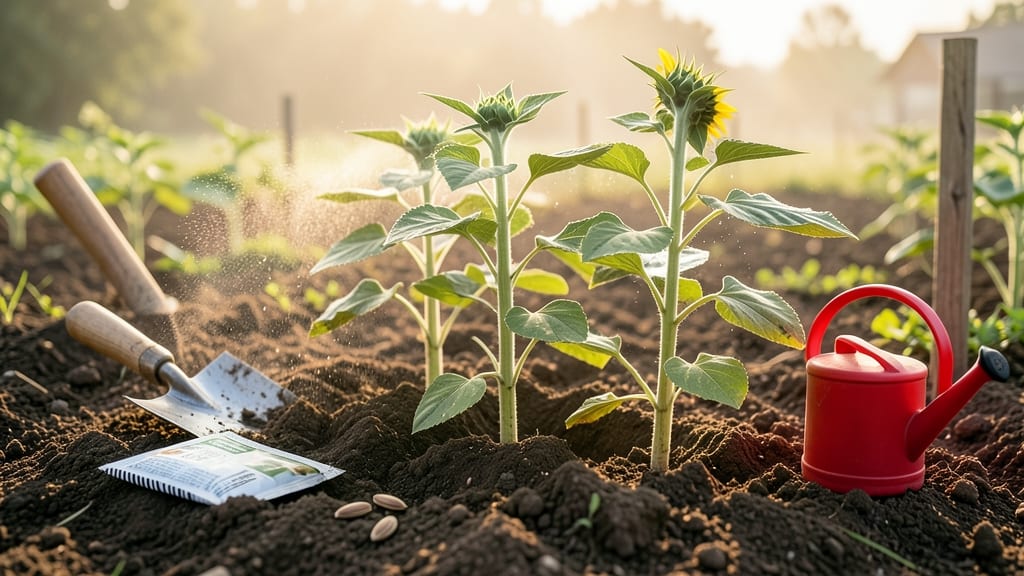
Direct sow sunflowers when soil temperatures hit 60°F or higher — the magic threshold that guarantees strong, fast germination instead of weeks of waiting.
Sunflowers bring bold beauty to any garden—but planting them at the wrong time can mean wilted dreams before they even bloom. Timing is everything, and understanding your climate zone and soil temperature is the secret to growing sunflowers that reach their full towering potential.
In USDA Zone 6a, that means waiting until after your last frost date, typically mid-April to May, when the ground warms enough to support those deep roots.
But if you live in a cooler microclimate or high-altitude area, you might need to push planting into early June to avoid stunted growth.
Below, I’ll break down the exact soil temp rules, regional planting windows, and how to pick sunflower varieties that match your growing season—so you can enjoy those 10-foot giants by late summer.
Best climate zones and months for direct sowing sunflowers
Sunflowers thrive when planted at the right time, but their ideal direct sowing window varies dramatically across USDA hardiness zones 3-11. Unlike transplants, sunflower seeds need warm soil to germinate—typically 60°F or warmer.
This means timing your planting around your last frost date and local climate patterns is critical for success.
In cooler northern zones (3-6), you’ll want to wait until late spring when soil temperatures stabilize. Meanwhile, gardeners in warmer southern zones (8-11) can start sowing as early as February or even late fall for winter-spring blooms.
The key is balancing frost risk with soil warmth—plant too early, and seeds rot; too late, and your sunflowers may bolt before flowering.
🌱
For gardeners in USDA zones 3-5, timing is especially critical because cold soil delays germination. I recommend waiting until mid-to-late May when soil temperatures consistently reach 60°F.
In my experience, using black plastic mulch 1-2 weeks before planting can raise soil temperatures by 5-10°F, giving you an earlier start.
In zones 6-7, you have more flexibility with a 6-week planting window from April to May. This is perfect for succession planting—sow seeds every 2 weeks to enjoy sunflowers blooming all summer.
For example, if your last frost is April 15, your first planting could be April 30, followed by May 15 and June 1 for continuous color.
Southern gardeners in zones 8-11 can get creative with timing. I’ve had great success planting in late winter (February) for spring blooms or late summer (August) for fall flowers.
The key is avoiding the hottest months (June-July) when soil temperatures can exceed 85°F, which may cause seeds to dry out before germinating.
High-altitude gardeners face unique challenges because cooler temperatures delay soil warming. At elevations above 5,000 feet, I recommend waiting until June or even July to plant. Using row covers or planting near dark-colored surfaces (like patio stones) can help warm the soil faster and extend your growing season.
One common mistake I see is planting sunflowers too early in hopes of a longer season. Cold, wet soil can cause seeds to rot or sprout too slowly, leaving them vulnerable to damping-off disease.
Always check soil temperature with a soil thermometer—if it’s below 60°F, wait at least a week before planting.
For Northern Hemisphere gardeners, the general rule is to plant after your average last frost date. For Southern Hemisphere gardeners, this timing flips—plant in late winter to early spring (August-September) for summer blooms. In Australia’s zone 10, for example, I’ve planted sunflowers in September for vibrant spring displays.
🌻
Soil temperature and sunflower germination: the critical 60°F rule
When it comes to growing sunflowers, many gardeners focus on air temperature and frost dates—but the real game-changer is soil temperature. Sunflower seeds need consistent warmth to germinate, and if your soil is too cold, you might be waiting weeks (or even months) for those cheerful faces to emerge.
The magic number? 60°F—this is the minimum soil temperature where sunflower seeds will reliably sprout.
Why does soil temperature matter more than air temperature? Because seeds absorb heat from the ground, not the surrounding air. A chilly morning might feel perfect for planting, but if your soil is still hovering around 50°F, your seeds could rot in the ground or simply refuse to sprout.
Even if the weather forecast says it's warm, check your soil before you plant—it's the only way to get an accurate read on germination conditions.
🌱
⚠️ Planting Too Early? Here's What Happens
If you direct sow sunflowers when soil temps are below 60°F, you risk:
- Rotting seeds—cold, damp soil creates the perfect environment for fungal growth
- Slow or no germination—seeds may sprout erratically or not at all
- Weak seedlings—if they do emerge, they'll struggle to establish roots in cold conditions
Pro Tip: Use a soil thermometer ($10 at garden centers) to check temps before planting. Aim for 60-70°F for best results.
Testing your soil's readiness is simpler than you think. Grab a soil thermometer (they're inexpensive and available at most garden centers) and check the temperature at a depth of about 1 inch—this is where your seeds will be planted. If it's below 60°F, wait.
Even if the air feels warm, soil warms up more slowly, especially in early spring or high-altitude regions. In USDA Zone 5, for example, soil might not reach 60°F until late May, while Zone 9 gardeners could plant as early as March.
What if your soil is too cold to plant right now? Don't despair—there are ways to speed up germination. Try planting in a warm microclimate, like near a south-facing wall or on black plastic mulch (which absorbs heat).
You can also start seeds indoors under a heat mat set to 70-75°F about 2-3 weeks before your expected outdoor planting date. Just be prepared to harden off seedlings gradually to avoid transplant shock.
Look for these signs your soil is ready for sunflower seeds: the ground feels warm to the touch (like a baked potato), nearby plants are sprouting quickly, and your thermometer reads consistently above 60°F for at least 3 days.
In ideal conditions, sunflower seeds should germinate in 7-14 days. If you're not seeing sprouts within 2 weeks, the soil might still be too cold—or your seeds could be old and non-viable.
Remember, sunflowers are resilient plants, but they won't tolerate cold soil. By paying attention to soil temperature rather than just air temperature, you'll give your sunflowers the best possible start—and that means bigger blooms and happier pollinators all season long. 🌻