
Fertilization
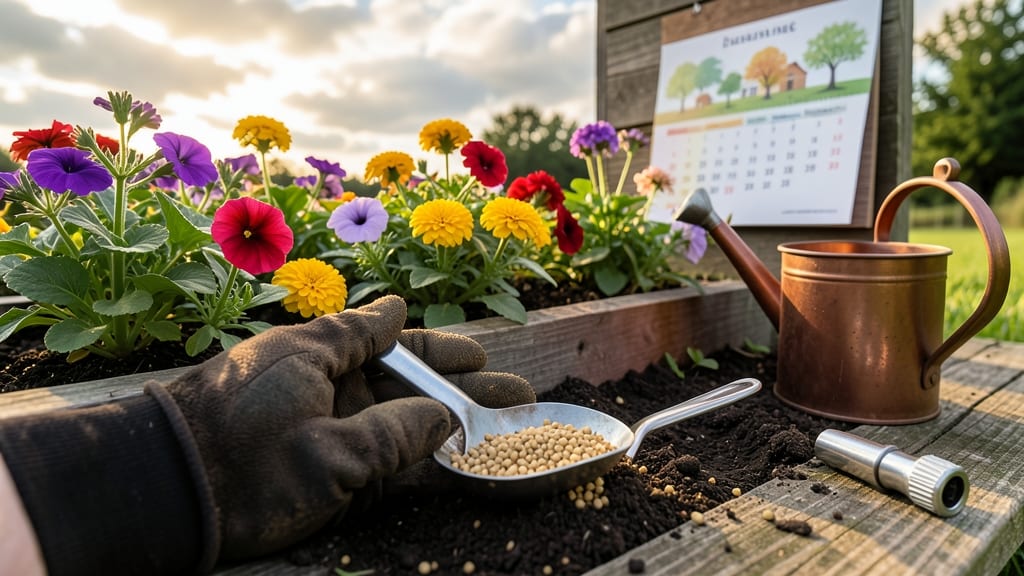
To fertilize flowers at the right time means catching them in their growth cycle—not too early, not too late—so they burst with color instead of struggling to keep up.
Picture this: you’ve just planted your 🌸 brightest annuals, and the soil looks rich, but after a few weeks, the leaves are pale and the blooms are sparse.
That’s a classic sign you missed the window. Fertilizing too soon can burn tender roots, while waiting too long leaves your flowers playing catch-up with weeds.
Timing matters because flowers have two key phases: the pre-bloom push (when they need nutrients to build strong stems and buds) and the post-bloom recovery (when they’re storing energy for next year). Skip one, and you’ll end up with either floppy stems or half-hearted blooms.
In this guide, I’ll walk you through the month-by-month schedule that keeps your flowers thriving, whether you’re in a warm climate or a cooler zone. You’ll learn when to feed, how to spot over-fertilization, and which fertilizers work best for annuals vs. perennials—so your garden stays vibrant all season long.

Seasonal fertilization schedule for flowering plants
Timing your flower fertilization isn’t just about throwing down nutrients—it’s about syncing with your plants’ natural growth cycles. Early spring kickstarts root development, summer fuels blooms, and fall preps for next year’s growth.
Skip the wrong timing, and you’ll end up with leggy stems, weak blooms, or even plant stress. The key is understanding when your flowers are actively growing versus when they’re resting.
Most flowering plants follow a simple rule: feed when they’re growing, not when they’re dormant. Annuals like marigolds or petunias need frequent feeding, while perennials like daylilies or coneflowers thrive on slower, steady nutrition.
The USDA Zone 6 climate (where frost-free days span 165 days) gives us clear windows: March through October is prime time, with adjustments for late-season bloomers like chrysanthemums.
Here’s the month-by-month breakdown to keep your flowers vibrant all season. This schedule aligns with soil temperatures, bloom cycles, and plant dormancy—so you’re never over- or under-feeding.
For annual flowers, like zinnias or cosmos, stick to the April–September feeding schedule—they grow fast and need frequent nutrients. Perennials, however, like black-eyed Susans or bee balm, benefit from slow-release fertilizers applied in early spring and late summer to build root strength for next year.
Pro tip: Organic fertilizers, like compost or fish emulsion, release nutrients slowly and improve soil health over time. Synthetic fertilizers work faster but require more frequent applications. If you’re using container-grown flowers, flush the soil with water every 3 months to prevent salt buildup from synthetic fertilizers.
Adjust this schedule for your local climate. In warmer zones (like Zone 7+), extend feeding into October for late bloomers. In cooler zones (Zone 5 or below), start
Signs your flowers need fertilizer (and when to avoid it)
Your flowers might be silently screaming for help if they're not blooming as expected or their leaves look lackluster. Nutrient deficiencies often show up as yellowing leaves, stunted growth, or fewer blooms than usual.
These signs indicate your plants need extra nutrients, but timing matters just as much as what you feed them.
Before reaching for that fertilizer bottle, check your plants for over-fertilization symptoms like brown leaf tips, crispy edges, or white crusty deposits on the soil. These are clear signs you've given your flowers too much food, which can actually harm them. Understanding these signals helps you strike the perfect balance.
⚠️ callout warning ⚠️
⚠️ When to Pause Fertilizing
Dormancy: Never fertilize dormant perennials in winter—they're resting! Annuals don't need feeding after first frost.
Extreme heat: Skip fertilization when temps exceed 90°F (32°C)—plants burn nutrients instead of absorbing them.
New transplants: Wait 2-3 weeks after planting before fertilizing to avoid shocking roots.
Spring is prime time to fertilize flowers, especially when you see new growth emerging. Look for dark green leaves and tight buds forming—these are your cues to feed your plants. A balanced 10-10-10 fertilizer works well for most flowering plants during this active growth phase.
In summer, focus on bloom maintenance rather than growth. If your flowers are producing but looking tired, a light feed with half the recommended dose can help sustain them. Avoid heavy fertilization during peak bloom periods, as it can lead to leafy growth at the expense of flowers.
Fall fertilization should be gentle and strategic. If you notice late-season blooms appearing, a light feeding can extend their life. However, stop fertilizing entirely by mid-October to allow plants to harden off before winter. This prepares them for dormancy and protects against frost damage.
Remember, healthy soil is your best fertilizer. Regularly amend your garden with compost or organic matter to improve soil structure and nutrient availability. This reduces your reliance on synthetic fertilizers while keeping your flowers thriving naturally.