
Planting
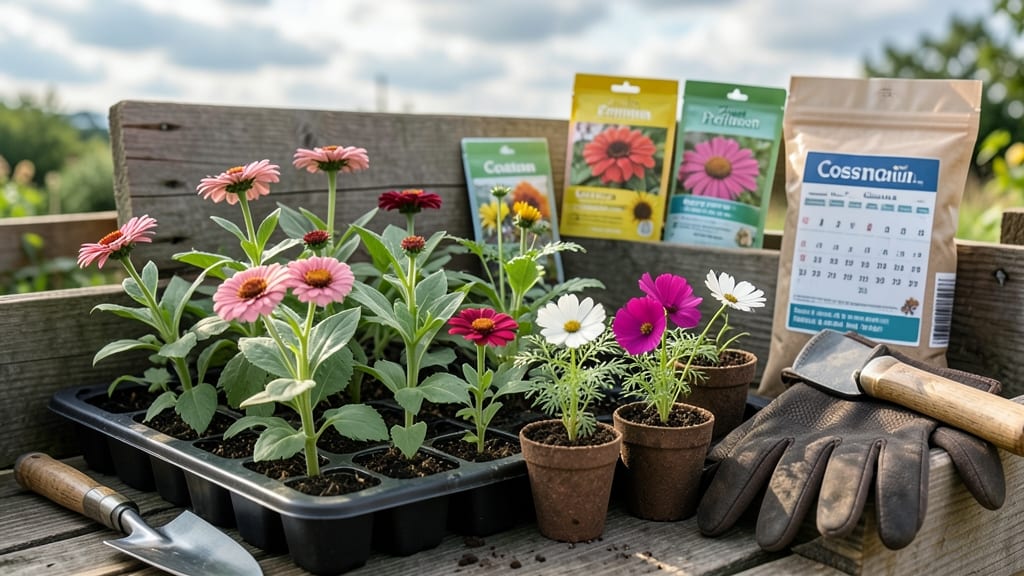
Planting cut flower seeds at the right time means the difference between lush bouquets and floppy stems — and it all hinges on knowing your local frost dates.
Picture this: you’ve waited all winter for your garden to burst into color, only to watch your zinnias and sunflowers struggle because you planted too early. Or worse, you miss the window entirely and end up with a sad, late harvest that never quite lives up to its potential.
The key is timing, and it’s easier than you think.
For most cut flowers like cosmos, snapdragons, or sunflowers, the ideal window is 4-6 weeks before your last frost — but that changes depending on whether you’re in USDA Zone 6a or a warmer climate.
Some varieties, like dahlias, need an even earlier start indoors, while hardy annuals like marigolds can handle direct sowing as soon as the soil warms to 60°F.
In this guide, I’ll break down exactly when to plant, how to adjust for your region, and whether to start seeds indoors or sow them directly. By the end, you’ll have a clear schedule for vibrant, long-lasting blooms that make every bouquet worth the wait.
How to calculate your local frost dates for cut flower seed planting
Timing your cut flower seeds correctly depends on understanding your local frost dates. These dates tell you when to start seeds indoors or sow them directly outdoors to avoid frost damage.
For example, zinnias and sunflowers need warm soil, while snapdragons tolerate cooler temperatures. Let’s break down how to find your frost dates and use them for planting.
First, locate your USDA hardiness zone using the USDA Plant Hardiness Zone Map. This map divides the U.S. into 13 zones based on average annual minimum temperatures. For instance, Zone 5 has colder winters than Zone 8, so frost dates differ significantly.
Once you know your zone, you can estimate your last spring frost date and first fall frost date.
Next, check local weather data for your area. Websites like the National Oceanic and Atmospheric Administration (NOAA) or local agricultural extensions provide historical frost dates.
For example, in Zone 6a, the last frost typically occurs around April 15, while the first frost in fall arrives around October 15. These dates help you plan your planting window for cut flowers.
Now, let’s compare how different cut flowers respond to frost dates. Some, like cosmos, can handle cooler soil temperatures, while others, like dahlias, need warm soil to germinate. Below is a comparison table to guide your planting decisions based on your frost dates.
After determining your frost dates, consult the seed packet recommendations for each cut flower variety. Seed packets often include specific instructions for planting times, such as "sow after last frost" or "start indoors 6-8 weeks before last frost."
For example, if your last frost date is April 15, you’d start zinnias indoors around March 1 or sow them directly after April 15.
For fall blooms, calculate your first frost date and work backward. Most cut flowers need 60-90 days to mature from seed, so plan to sow seeds 3-4 months before your first frost.
For instance, if your first frost is October 15, you’d sow seeds around July 15 for a late-season harvest.
Adjust your planting timeline based on microclimates in your garden. A south-facing slope warms up faster than a shady corner, so you might plant earlier in sunny spots. Similarly, raised beds warm up quicker than in-ground soil, allowing you to start seeds slightly earlier in these areas.
Finally, keep a gardening journal to track your frost dates and planting success. Note any deviations from historical averages, like an early frost or late spring. Over time, you’ll refine your timing for peak blooms and continuous harvests throughout the growing season.
With these steps, you’ll master the art of planting cut flower seeds at the perfect time, ensuring vibrant blooms for your bouquets all season long. Happy gardening! 🌸
Best cut flowers by last frost date: a month-by-month planting guide
Timing your cut flower seeds based on your last frost date is the secret to a continuous harvest of bouquet-worthy blooms. Frost-sensitive varieties like delphiniums and snapdragons need early starts, while hardy annuals like cosmos and zinnias can wait until soil warms.
Understanding these windows ensures you avoid leggy stems or late-season disappointments.
Your local last frost date (typically late March to May in most U.S. regions) dictates when to begin planting. For example, in Zone 6a, early bloomers like sweet peas should start indoors 8 weeks before your last frost, while sunflowers can be sown directly 2 weeks after.
Below, I’ve organized a month-by-month schedule for the best cut flower varieties based on frost sensitivity.
📅 Month-by-Month Planting Guide for Cut Flowers
For continuous harvests, use the succession planting method. For example, sow cosmos every 3 weeks from June through August to enjoy blooms until frost. Similarly, zinnias thrive when planted in batches—start with early varieties like 'Benary’s Giant' and follow with 'Profusion' for a staggered display.
Pro tip: Pair frost-sensitive delphiniums with hardy snapdragons in the same bed. While delphiniums need early starts, snapdragons tolerate cooler soils and extend your cutting garden season. Always check seed packet recommendations for days to maturity—this tells you exactly when to plant for a specific bloom time.
Don’t forget to mark your calendar for first frost dates too! Some late-season varieties like celosia or amaranth can be sown as late as August in warmer climates, ensuring you have fall bouquets when summer blooms fade. With this schedule, you’ll never run out of fresh cut flowers for arrangements!