
Planting
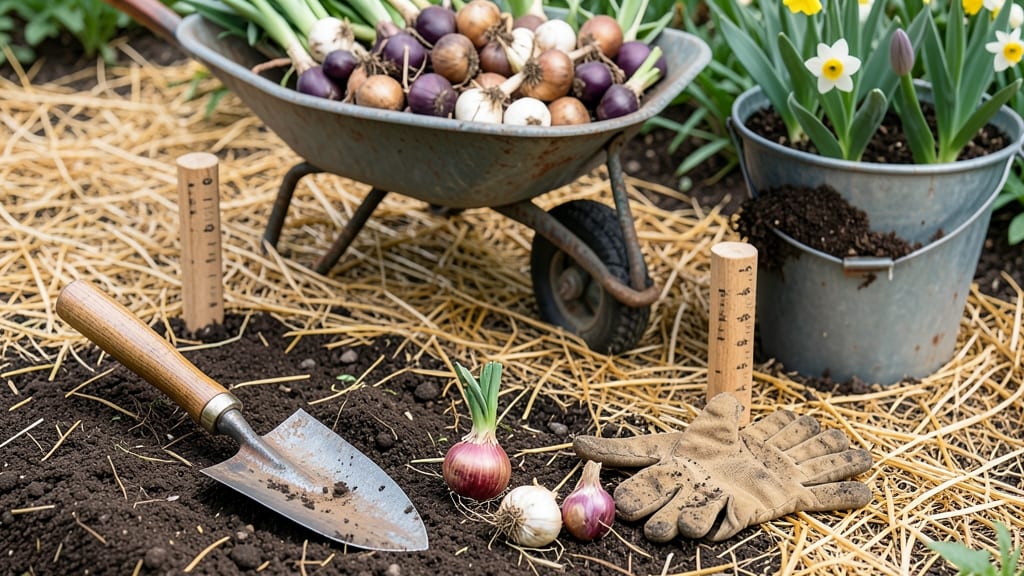
Planting flower bulbs 🌷 in the fall is all about timing—get it right, and you’ll enjoy vibrant spring blooms that brighten up your garden for months.
Timing is everything when planting flower bulbs in the fall—plant too early, and they’ll rot; too late, and they won’t bloom. But with the right zone-specific schedule, you can ensure vibrant spring flowers that steal the show.
Most gardeners in USDA Zone 6a should aim to plant their flower bulbs between September and October, about 6-8 weeks before the first frost. This window gives the bulbs enough time to root before the ground freezes, setting them up for a stunning spring display.
Whether you’re a beginner or a seasoned gardener, knowing the best time to plant—along with soil prep tips and regional adjustments—will help you grow healthier, more resilient bulbs that thrive year after year.
Fall planting timing by USDA Hardiness Zones: exact months for success
Planting flower bulbs in the fall is all about timing. Too early, and your bulbs may rot in warm soil; too late, and they won’t establish roots before winter. The key is understanding your USDA Hardiness Zone and local frost dates.
For example, gardeners in Zone 3 have a much narrower window than those in Zone 9. Let’s break down the exact months for each zone to ensure your bulbs get the perfect start.
Most flower bulbs need 6-8 weeks of cool soil temperatures (around 60°F) to root before the ground freezes. This means planting 4-6 weeks before your first frost date. In colder zones, like Zones 3-5, this often means starting in early September.
Warmer zones, such as Zones 8-10, can plant well into November or even December, depending on local conditions.
Here’s the critical comparison to help you pinpoint your ideal planting window:
In Zones 3-5, where winters are harsh, aim to plant by mid-October to give bulbs time to root before the ground freezes solid. For Zones 6-7, you’ve got a bit more flexibility, but don’t wait past early November—bulbs need time to establish roots before winter sets in.
Meanwhile, gardeners in Zones 8-10 can plant later, often into December, as the ground stays warmer longer.
One common mistake is planting bulbs too early in warm soil. If your soil temperature is above 60°F, bulbs may sprout prematurely and rot. Use a soil thermometer to check—ideal temperatures are between 50–60°F for most bulbs.
If your soil is too warm, wait a few weeks or plant in a shaded area to cool the soil.
Frost timing is another critical factor. Bulbs need to develop roots before the ground freezes, but they can handle light frosts once planted. In Zones 3-5, where frost can arrive as early as October, prioritize planting by early September.
In Zones 8-10, where frost may not come until December, you can plant later—but don’t wait until the ground is too cold.
Pro tip: If you’re unsure about your local frost date, check the USDA Plant Hardiness Zone Map and add 6-8 weeks to your first frost date for your ideal planting window.
For example, if your first frost is November 15, aim to plant by October 1. This ensures your bulbs have enough time to root without sprouting too early.
For gardeners in Zone 10, where winters are mild, you can even plant bulbs in December, but avoid planting in January or February—the soil may be too warm, causing bulbs to sprout prematurely.
Instead, focus on October and November for the best results. Always choose bulbs suited to your zone, such as rain lilies or calla lilies, which thrive in warmer climates.
Finally, remember that bulbs like tulips and daffodils need a period of cold dormancy to bloom well. Planting them at the right time ensures they’ll wake up in spring ready to burst into color.
With this zone-specific guide, you’ll avoid the most common mistakes and set your garden up for a show-stopping spring display.
Signs your soil and climate are ready for fall bulb planting
Fall bulb planting success hinges on two critical factors: soil temperature and weather patterns. When the ground cools to between 40–50°F, it signals bulbs like tulips and daffodils can safely establish roots before winter.
This typically occurs in September–October for most U.S. regions, but timing varies dramatically by climate zone.
In northern states (Zones 3–5), you’ll want to plant 6–8 weeks before frost, often by early October. Meanwhile, Mediterranean climates (Zones 8–10) may need to wait until November or even December when soil temperatures drop naturally.
The key is avoiding frozen ground—bulbs won’t root if the soil stays above 50°F for too long.
⚠️ Critical Warning: Don’t Plant Too Early!
If you plant tulips or hyacinths when soil temperatures exceed 60°F, they’ll sprout prematurely and rot in the heat. Wait until soil cools to 50°F or below—use a soil thermometer to check! Southern gardeners in Zones 7–10 must plant later (often November) to avoid this pitfall.
Beyond temperature, soil moisture plays a crucial role. Bulbs need consistent moisture to root but won’t tolerate soggy conditions. Test your soil by digging a 6-inch hole—if it drains within 30 minutes, it’s ready.
Well-draining soil prevents root rot, a common issue in clay-heavy or compacted soils. Amend with compost or sand if needed.
Watch for predictable frost dates in your area. Most bulbs need 4–6 weeks to establish roots before the ground freezes. Check your USDA Hardiness Zone—in Zone 4, aim for mid-September planting, while Zone 9 gardeners can wait until late November.
Use local weather forecasts to spot trends like early cold snaps or unseasonable warmth.
For Mediterranean climates, like California or coastal Oregon, timing shifts entirely. Here, winter rains replace frost as the trigger. Plant bulbs in November–December when soil temperatures drop below 60°F and rainfall increases.
These regions often see milder winters, so bulbs need less dormancy time—planting too early can lead to premature sprouting.
Finally, observe your local ecosystem. If fall-blooming plants like mums or aster are fading, it’s a natural signal that spring bulbs should go in soon. Conversely, if perennials are still growing vigorously, wait a few weeks. Nature’s seasonal cues often align perfectly with bulb-planting windows.
By combining soil temperature, moisture levels, and frost forecasts, you’ll nail the perfect timing for vibrant spring blooms. Mark your calendar and grab those bulbs—your future garden will thank you! 🌷