
Plants
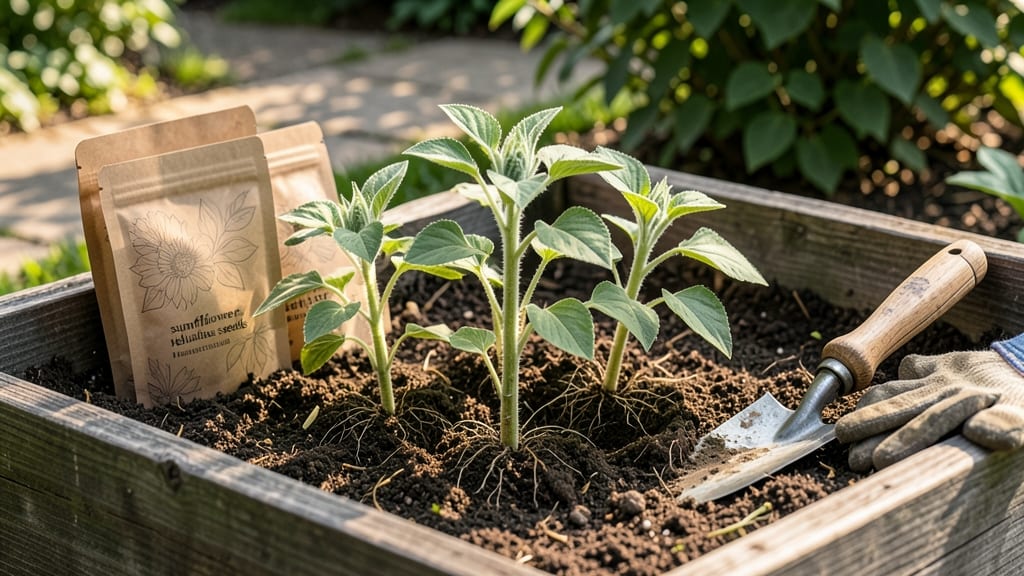
To plant sunflower seeds in Virginia, aim for April 15 to June 15 when soil temperatures hit at least 55°F—this timing ensures fast germination and avoids frost risks in zones 6a-7b.
Sunflowers bring bold color and easy harvests—but planting them at the wrong time in Virginia can mean slow growth or even failure. Timing isn’t just about the calendar; it’s about soil temperature, frost risks, and sunflower varieties that thrive in Virginia’s unique climate zones.
If you’ve ever watched your 🌻 seeds sit in cold soil for weeks, only to sprout late and miss their peak blooming window, you know how critical the right timing is.
The key is planting when the ground warms up enough to kickstart growth, but not so late that summer heat stresses young plants.
In this guide, I’ll break down the exact soil temperature triggers, the best varieties for Virginia’s climate, and how to adjust for early or late planting to get those towering 🌻 blooms thriving all season long.
Virginia sunflower planting calendar: month-by-month soil temperature guide
Virginia’s diverse climate zones—from the Coastal Plain to the Blue Ridge Mountains—create wildly different planting conditions for sunflowers. While most gardeners focus on frost dates, soil temperature is the real game-changer for germination.
Sunflower seeds need soil at 55°F or warmer to sprout reliably, and planting too early can leave them vulnerable to late spring frosts that stunt growth.
Below is your zone-specific planting calendar, including frost-free averages, soil temperature triggers, and ideal windows for Virginia’s three main regions. I’ve also included fast-growth varieties that thrive in shorter seasons, perfect for mountain gardeners with cooler springs.
For Coastal Virginia gardeners, you can start as early as late March if your soil warms quickly. Use a soil thermometer to confirm—sunflowers won’t germinate below 55°F, no matter how eager you are!
In the Piedmont region, aim for mid-April to avoid frost damage, while mountain zones should wait until late May when nights stay above freezing.
Pro tip: If your soil runs cold, try black plastic mulch or a cold frame to warm it faster. I’ve seen germination improve by 3-5 days using these tricks in cooler Piedmont springs. Just remove the mulch once seedlings emerge to prevent overheating.
Sunflowers grow 2-3 inches per day in ideal conditions, so timing matters for bloom time. Planting in early May in Piedmont gives you full summer blooms by July, while late June plantings may not flower until September—still beautiful, but with shorter daylight hours slowing growth.
Don’t forget about late-season varieties like 'Autumn Booster' for Coastal gardeners. These can handle shortened daylight and still produce seeds before frost. In mountain regions, stick to early-maturing dwarf varieties like 'Sunspot' to ensure harvests before first frost in October.
To calculate your exact planting window, subtract 80 days (average time to bloom) from your first frost date. For example, if frost hits October 15, count back to July 25 as your latest planting date. Use this as your cutoff—planting after this risks immature blooms before winter.
One common mistake? Assuming air temperature equals soil temperature. On a 60°F spring day, soil might still be 50°F—too cold for germination. Always check soil temp at 4 inches deep, where seeds will be planted. A $10 soil thermometer is worth every penny for sunflower success.
For container growing, add 2-3 weeks to your planting window since pots warm faster. Place containers in south-facing spots and use dark-colored pots to absorb heat. I’ve grown sunflowers in 5-gallon pots on my balcony in Richmond with this method!
Fast-germination tips: how to time sunflower seeds for Virginia’s microclimates
Virginia’s unpredictable spring weather can turn sunflower germination into a gamble—but with the right strategies, you can accelerate sprouting by up to 50% faster. The key lies in soil warmth, variety selection, and pre-planting prep.
Since sunflower seeds need consistent 55°F+ soil to germinate, timing isn’t just about dates but microclimate conditions like afternoon sun exposure or urban heat islands.
For fastest results, focus on three proven tactics: pre-sprouting seeds indoors, using black plastic mulch to warm soil, and choosing early-maturing varieties like Teddy Bear (50 days) over Mammoth (120+ days).
These methods help you beat Virginia’s late frosts and ensure bold blooms by summer—even in cooler zones like the Blue Ridge Mountains.
- 1 Pre-sprout seeds indoors 3–5 days before last frost by soaking in warm water (80°F) for 12 hours. Use a seedling heat mat to maintain 75°F soil—this mimics Virginia’s late-May warmth and cuts outdoor germination time by half.
- 2 Warm soil with black plastic 1–2 weeks before planting. Lay 1–2 mil black plastic sheeting over garden beds to raise soil temps by 10–15°F. Remove it 24 hours before sowing to prevent overheating—ideal for Piedmont’s cooler springs.
- 3 Choose fast varieties for your zone: Teddy Bear (50 days) for Coastal VA, Autumn Beauty (60 days) for Mountain regions, or Mammoth Russian (120 days) only for long, frost-free summers in Zone 7b+.
- 4 Plant after soil hits 55°F—use a soil thermometer to check. In Northern VA, aim for mid-May; in Southern VA, early April works. For late starts, opt for dwarf varieties like Sunspot (60 days) to avoid frost risks.
- 5 Use a cloche or row cover for 2–3 weeks post-planting to protect seedlings from unexpected frosts (common in June in the Shenandoah Valley). Remove covers during the day to prevent overheating and fungus growth.
Don’t overlook seed quality—old seeds (2+ years) germinate poorly. Buy fresh, untreated seeds from reputable suppliers like Baker Creek Heirloom Seeds or Johnny’s Selected Seeds for 90%+ germination rates.
For extra insurance, soak seeds in hydrogen peroxide (3%) for 10 minutes before planting to boost disease resistance.
If you’re in Zone 6a (e.g., Roanoke), consider staggered planting: sow half your seeds in early May and the rest 2 weeks later. This extends your harvest window from July to September and ensures continuous blooms for pollinators.
Pair fast varieties with taller types like Mammoth for a stunning vertical display.
Pro tip: Mark your calendar for June 15—this is Virginia’s last safe planting date for most sunflower varieties. After this, daylength shortens, slowing growth.
For late-season color, try ‘Russian Giant’ (120 days) in Zone 7b+, but plant by June 1 to avoid fall frosts cutting blooms short.