
Planting
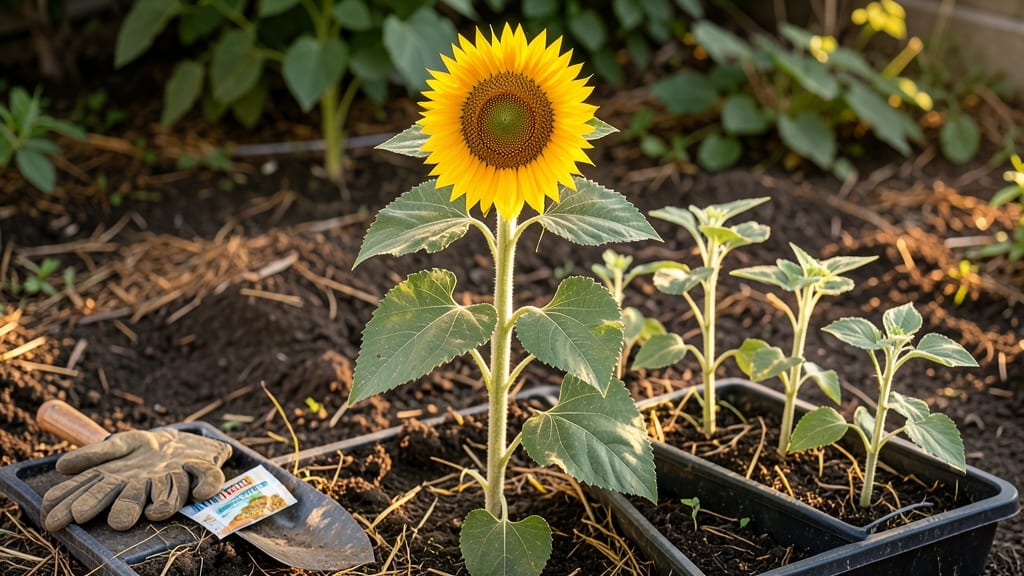
Plant sunflowers in North Carolina between mid-April and mid-June to catch the full bloom season—timing this right means the difference between towering 🌻 stalks and sad, stunted plants.
Sunflowers bring bold color and joy to North Carolina gardens—but planting them at the wrong time can mean wilting dreams before they bloom. Timing is everything, especially when frost dates vary by zone and variety.
If you miss the window, you might end up with six-foot vines and no flowers, or worse, seedlings that freeze before they even sprout.
North Carolina’s USDA zones 7a-8b give you a three-month window to get sunflowers in the ground, but not all varieties thrive in the same conditions. Coastal areas can start earlier, while the Piedmont waits for soil to warm.
The key is knowing your last frost date—not just the calendar month—and choosing varieties that match your growing season.
Below, I break down the best planting times by zone, how to prep your soil for success, and pro tips for extending your sunflower season from spring to fall.
Whether you’re growing dwarf varieties for containers or giant sunflowers for cut flowers, this guide keeps your garden blooming all season long.
North Carolina frost-free dates by Zone: best sunflower planting windows
North Carolina's diverse climate means your sunflower planting window can vary dramatically from the mountains to the coast. In Zone 6 (western NC), the last spring frost typically arrives by April 15, while Zone 8 (coastal areas) sees frost-free conditions as early as March 1.
These differences directly impact when you should sow your sunflower seeds for maximum blooms.
Sunflowers thrive when planted after soil temperatures reach 55°F (13°C), which usually aligns with your frost-free date. For most NC gardeners, this means starting seeds indoors 4-6 weeks before your expected last frost date.
In Zone 7, that's typically mid-March for indoor starts, while Zone 8 gardeners can begin direct sowing as early as late February.
Here's the key: Direct-sown sunflowers germinate fastest in warm soil (60°F/16°C or above). In cooler Zone 6 areas, wait until mid-April to plant outdoors. Meanwhile, Zone 7 and Zone 8 gardeners can start 2-3 weeks earlier—around late March to early April—for earlier blooms.
| USDA Zone | Avg. Last Frost | Ideal Planting Window | Soil Temp. Threshold | First Frost Risk |
|---|---|---|---|---|
| Zone 6 (Mountains) | April 15 | Mid-April to May 15 | 55°F+ (13°C+) | Late October |
| Zone 7 (Piedmont) | March 25 | Late March to May 1 | 55°F+ (13°C+) | Mid-November |
| Zone 8 (Coastal) | March 1 | Late February to April 15 | 50°F+ (10°C+) | Early December |
*Frost dates vary by elevation and microclimate. Coastal areas may experience earlier planting windows.
For direct sowing, aim to plant sunflower seeds 1 inch deep and 6 inches apart after your last frost date. In Zone 6, this means waiting until mid-April to avoid frost damage.
Meanwhile, Zone 8 gardeners can start as early as late February for a head start on the growing season.
Pro tip: Use black plastic mulch to warm soil faster in cooler zones. This can shave 1-2 weeks off your planting timeline by raising soil temperatures by 5-10°F. Just remember to remove it once flowers appear to prevent overheating.
Sunflowers are annuals in NC, so timing matters for both spring and fall planting. For a second harvest, try a late summer planting (around July 15) in Zones 7-8.
These fall-blooming sunflowers will often survive until first frost in milder coastal areas, giving you two blooming seasons in one year.
Don't forget: Soil preparation is key. Work in compost before planting to improve drainage, especially in clay-heavy Piedmont soils. Sunflowers hate soggy roots, so raised beds work beautifully for Zone 6 gardeners with heavy soils.
If you're growing tall varieties (like 'Mammoth'), stake them early to prevent wind damage from spring storms. For dwarf varieties (like 'Teddy Bear'), you can plant them closer together (4 inches apart) in containers or borders.
Track your local frost dates using the NC State Climate Office or plant when daytime highs consistently reach 70°F (21°C). With the right timing, your sunflowers will reward you with bold blooms from July through October—just in time for fall festivals and bird feeders! 🌻
Sunflower variety planting guide: dwarf vs giant vs tall types
Choosing the right sunflower variety for North Carolina means matching maturity dates with your local frost-free window. Tall varieties like 'Russian Giant' need early starts, while dwarfs like 'Teddy Bear' can handle late planting. Let's break down how to time each type for USDA zones 7a-8b.
Your planting strategy should align with days to maturity. Early bloomers (50-60 days) like 'Autumn Beauty' can go in late March in Zone 8b, while late-season giants (120+ days) like 'Mammoth' need mid-April starts to avoid frost damage before blooming.
🌻 Comparison Table: Sunflower Variety Planting Guide for NC
| Variety Type | Height Range | Days to Maturity | Best NC Planting Window | Zone-Specific Tip |
|---|---|---|---|---|
| Dwarf | 1-3 ft | 50-60 days | Late March-June | Perfect for containers and late-season planting in Zone 7a |
| Semi-Dwarf | 3-5 ft | 60-75 days | April-May | Ideal for cut flowers in Zone 8a |
| Standard | 6-12 ft | 75-90 days | Mid-April | Best for early blooms in all NC zones |
| Giant | 12-16 ft | 100-120+ days | Early April (Zone 8b) or late March (Zone 7a) | Requires staking and early starts to avoid frost |
For Zone 7a gardeners, focus on early blooming varieties like 'ProCut' (60 days) planted in late March. These mature before late-summer heat arrives. In Zone 8b, you can push late-season planting with dwarf varieties until early June for fall color.
Remember that soil temperature matters too. Sunflower seeds need 55°F+ soil to germinate. Use a soil thermometer in cooler zones (7a) to time your planting. If nights are still chilly, opt for black plastic mulch to warm the soil faster.
Pro tip: Mix maturity dates in your garden for continuous blooms. Plant early varieties in April, mid-season in May, and late bloomers in June. This creates a 3-month sunflower show from summer through fall.
Don't forget about succession planting! For giant varieties, sow every 2 weeks from April to June. This ensures you'll have fresh blooms even if early plants get powdery mildew from summer humidity.