
Flowers
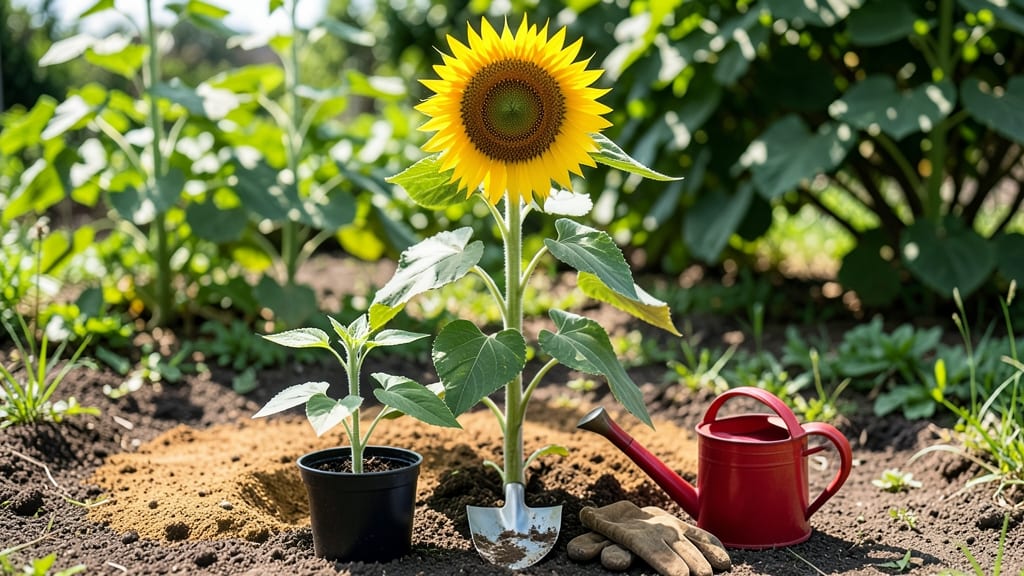
Planting sunflowers in San Diego at the right time means bold blooms that tower over your garden—no frost to worry about, just perfect coastal timing.
You might think year-round planting is an option, but late winter to early spring is when these 🌻 giants take off fastest, before summer’s relentless heat hits. Skip that window, and you’ll end up with leggy stems and fewer flowers—trust me, I’ve tried.
San Diego’s microclimates—coastal, inland, and desert-adjacent—each demand slightly different timing. Coastal areas like La Jolla can start as early as January, while inland spots near Escondido might wait until February to avoid heat stress.
Below, I’ll break down the exact months for your zone, plus soil prep tricks and wind-resistant varieties to keep your sunflowers standing tall all season.
San Diego’s 3 best planting windows for sunflowers by microclimate
San Diego’s diverse microclimates create three distinct planting windows for sunflowers (🌻), each with unique soil, wind, and temperature challenges. The coastal areas like La Jolla enjoy milder winters, while inland Escondido faces hotter summers, and desert-adjacent Temecula battles intense heat and dry winds.
Understanding these differences ensures your sunflowers reach their full 8-16-foot potential without wilting or struggling.
Unlike northern climates, San Diego’s USDA Zone 10a means no frost risk year-round, allowing sunflowers to grow almost anytime. However, timing still matters to avoid heat stress in summer or coastal fog delays.
The best strategy? Plant in late winter to early spring (January–March) for coastal zones, while inland and desert areas benefit from fall planting (September–October) to escape summer’s peak heat.
Why timing varies: Coastal areas (like La Jolla) have cooler nights and morning fog that slows early growth, while inland zones (Escondido) experience hotter days (90°F+) that can scorch young seedlings. Desert-adjacent regions (Temecula) face Santa Ana winds, which dry out soil and stress plants. Adjusting your schedule by microclimate maximizes bloom time and seed production.
| Microclimate | Best Planting Window | Soil Prep | Key Risks | Heat Tolerance Tip |
|---|---|---|---|---|
| Coastal (La Jolla) | January–March | Amend with compost; test pH (6.0–7.0) | Fog delays, wind shear | Use ‘Moulin Rouge’ for cold tolerance |
| Inland (Escondido) | September–October | Add perlite for drainage; mulch heavily | Summer heat (100°F+), drought | Plant dwarf varieties (3–6 ft) |
| Desert-Adjacent (Temecula) | November–January | Use gravel mulch; irrigate deeply | Santa Ana winds, soil erosion | Stake tall varieties (>8 ft) |
🌱 Pro Tip: Test soil moisture weekly—coastal areas need more frequent watering than inland zones.
For coastal San Diego (La Jolla), focus on January–March planting to align with the region’s mild winters. The cooler nights (50–60°F) and morning fog create ideal conditions for seed germination.
Prepare your soil by amending it with compost or aged manure to improve drainage, as coastal soils can become compacted. Choose cold-hardy varieties like ‘Moulin Rouge’ (red petals) to withstand occasional 40°F dips.
Inland areas like Escondido should plant in September–October to avoid the 100°F+ summers. The key is deep watering (1–2 gallons per plant) to establish roots before heat arrives.
Use gravel mulch to retain moisture and dwarf varieties (3–6 ft) to reduce wind damage. Avoid planting in June–August—seedlings will struggle to survive the intense heat.
Temecula’s desert-adjacent climate demands November–January planting to escape the Santa Ana winds, which can dry out soil and snap stems. Prioritize well-draining soil with added perlite and stake tall varieties (>8 ft) for stability. Water deeply 2–3 times per week until plants reach 12 inches tall, then reduce to once weekly.
All microclimates benefit from direct sowing seeds (no transplants) at ½-inch depth, spaced 6–12 inches apart depending on variety. Thin seedlings to 12–18 inches apart once they reach 3 inches tall to prevent competition.
Fertilize lightly with 5-10-10 NPK at planting and again when flowers appear to boost stem strength and bloom size.
Watch for sunflower pests like beetles and aphids, which thrive in San Diego’s warm winters. Spray affected plants with neem oil or introduce ladybugs for natural control. Deadhead spent blooms to encourage continuous flowering and extend your harvest window from May to October.
To maximize bloom height and color, rotate your planting schedule by 4–6 weeks each season. For example, plant a second batch in April for summer blooms or a fall batch in August for autumn color.
This staggered approach ensures year-round sunflower interest while adapting to San Diego’s unpredictable weather shifts.
🌻 Final Tip: Keep a planting journal to track which varieties thrive in your microclimate. Note soil conditions, watering needs, and bloom times—this data will help you refine your strategy for next season’s sunflower success.
How to adjust planting for San Diego’s unpredictable weather patterns
San Diego’s weather can shift dramatically—from Santa Ana winds that dry out soil to coastal fog that delays germination. These extremes demand smart adjustments to keep your sunflowers thriving.
The key is staggered planting and protective strategies tailored to your specific microclimate, whether you're in foggy La Jolla or hot inland areas like Escondido.
Start by selecting wind-resistant varieties like ‘Moulin Rouge’, which tolerates both heat and breezes better than standard types. Pair this with deep mulching (3-4 inches of straw or wood chips) to lock in moisture and regulate soil temperature.
This combo helps sunflowers withstand heat spikes that can scorch young plants during our infamous June Gloom-to-Summer Shift.
- 1. Plant in Staggered Waves: Start with 50% of seeds in January, then add 25% in February and 25% in March. This spreads bloom times from May to October, ensuring continuous color even if one batch struggles with weather.
- 2. Use Windbreaks: Install temporary mesh screens (3-4 ft tall) on windward sides of beds. For potted sunflowers, place them near fences or walls to block Santa Ana gusts that can snap stems.
- 3. Mulch Like a Pro: Apply 4-inch mulch rings around stems to prevent soil crusting from heavy rains. Use straw over wood chips—straw insulates roots better during coastal fog chills.
- 4. Adjust Watering by Microclimate:
- Coastal (La Jolla): Water every 5-7 days—fog reduces evaporation but increases humidity.
- Inland (Escondido): Water every 2-3 days in summer; let soil dry slightly between waterings.
- 5. Choose Heat-Tolerant Varieties: For desert-adjacent areas (Temecula), opt for ‘Autumn Beauty’ or ‘ProCut’. These handle 100°F+ temps better than ‘Russian Giant’, which bolts faster in heat.
Don’t overlook the power of shade cloth during extreme heat. A 30% shade cloth draped over young plants for 2-3 hours/day during 90°F+ days can double survival rates.
Remove it by late afternoon to ensure full sun exposure for flowering. This is especially critical for coastal gardens where fog lifts abruptly, exposing plants to sudden heat.
For soil prep, amend with compost and perlite to improve drainage—San Diego’s clay-heavy soils can suffocate roots during our winter rains. Test your soil’s pH (ideal range: 6.0-7.0) and add lime if needed.
Acidic soil slows nutrient uptake, making sunflowers more susceptible to powdery mildew during humid spells.
Finally, monitor your sunflowers for stress signs like yellowing leaves or drooping stems, which often signal overwatering or nutrient deficiency. A quick fix is foliar feeding with seaweed extract—it boosts resilience and helps plants recover faster from wind damage or heat stress.
With these adjustments, your sunflowers will stand tall and vibrant, no matter what San Diego throws their way.