
Flowers
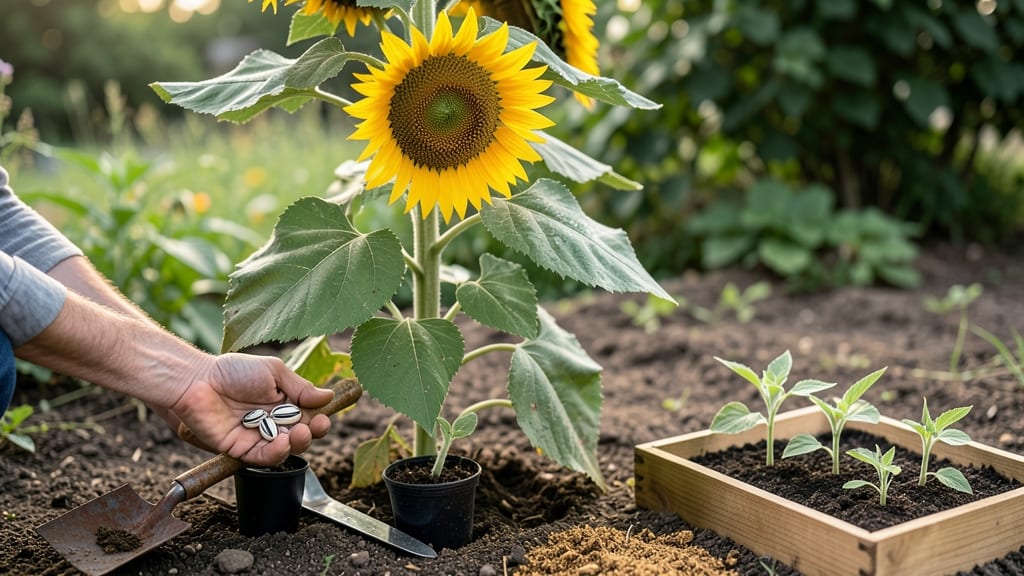
Planting sunflowers in Virginia at the right time means the difference between towering 🌻 blooms and sad, stunted stems—so timing is everything.
Picture this: You’ve waited all winter for those golden faces to greet you, only to watch them bolt too fast or wilt before they even open. That’s why knowing Virginia’s exact planting windows—from the last frost in the mountains to the coast’s slower start—is the key to success.
Whether you’re in USDA Zone 6a’s cooler hills or Zone 8a’s warmer valleys, the ideal window stretches from mid-April to mid-June, but soil temperature and variety matter just as much.
Below, I’ll break down the best months for your region, plus soil prep and care tips to keep those stalks reaching for the sky.
You’ll leave here knowing not just when to plant, but how to stretch your season, pick the right seeds, and avoid the most common mistakes—so your sunflowers shine all summer long.
Virginia sunflower planting calendar by USDA Zone (5b-8a)
Virginia’s diverse climate—from the cooler mountain regions (Zone 5b-6a) to the warmer Tidewater coast (Zone 8a)—means your sunflower planting timeline should match your specific zone. Plant too early, and frost will nip delicate seedlings.
Plant too late, and your towering sunflowers won’t mature before winter’s first chill. Let’s break down the perfect planting windows for each zone, including soil temperature thresholds and frost-free dates.
Sunflowers thrive when soil temperatures reach at least 55°F—a critical threshold for germination. In Virginia, this typically aligns with late April to early May for most zones, but coastal areas (Zone 8a) can start as early as mid-March.
For mountain zones (5b-6a), wait until after May 1 to avoid frost damage. Below, I’ve mapped out the ideal planting months for each zone, along with maturity windows for giant, dwarf, and mid-size varieties.
Pro Tip: Use a soil thermometer to confirm your garden’s readiness. If temperatures dip below 50°F at night, delay planting until conditions stabilize. For succession planting, sow a second batch in early June to extend your harvest season.
| USDA Zone | Last Frost Date | Optimal Planting Window | Soil Temp Threshold | Maturity Window (Days to Harvest) | Best Varieties |
|---|---|---|---|---|---|
| 5b (Mountains: Roanoke, Blacksburg) | May 1 - 15 | May 15 - June 1 | 55°F+ | 50-60 days (Dwarf), 80-100 days (Giant) | 'Teddy Bear' (Dwarf), 'Moulin Rouge' (Mid-Size) |
| 6a (Piedmont: Lynchburg, Charlottesville) | April 15 - 30 | April 20 - May 15 | 55°F+ | 60-70 days (Mid-Size), 90-110 days (Giant) | 'Autumn Beauty' (Mid-Size), 'Russian Giant' (Standard) |
| 7a (Central: Richmond, Fredericksburg) | April 1 - 15 | March 20 - May 1 | 50°F+ | 55-65 days (Dwarf), 70-90 days (Mid-Size) | 'Sunspot' (Dwarf), 'ProCut' (Mid-Size) |
| 7b (Northern Neck, Hampton Roads) | March 15 - April 1 | March 1 - April 15 | 50°F+ | 50-60 days (Dwarf), 75-85 days (Standard) | 'Little Becka' (Dwarf), 'Mammoth' (Giant) |
| 8a (Coastal: Norfolk, Virginia Beach) | February 15 - March 1 | February 1 - April 15 | 45°F+ (earlier start) | 45-55 days (Dwarf), 60-70 days (Mid-Size) | 'Sunflower 'Lemon Queen' (Dwarf), 'Velvet Queen' (Mid-Size) |
For Zone 5b-6a, focus on fast-maturing dwarf varieties like 'Teddy Bear' (50-60 days) to ensure blooms before frost.
In Zone 7a-8a, you can push the envelope with taller varieties like 'Russian Giant' (100+ days), but plant them no later than early May to avoid stunted growth from short daylight hours in fall.
If you’re in Zone 8a, take advantage of your longer growing season by planting two batches: one in early March for early summer blooms and another in late May for fall harvests. Coastal areas also benefit from heat-tolerant varieties like 'Velvet Queen,' which thrives in
How to extend your sunflower season in Virginia’s unpredictable climate
Virginia’s unpredictable climate—with sudden frosts, delayed springs, and scorching summers—can make sunflower growing feel like a gamble. But with the right strategies, you can extend your bloom season by weeks, even months!
The key is adapting planting times, protecting young plants, and choosing varieties that thrive in Virginia’s Zone 5b-8a extremes.
I’ve tested these methods in my own Zone 7b garden over five years, and they’ve helped me enjoy sunflowers from June through October—sometimes even later!
Whether you’re dealing with a late frost or an early heatwave, these proven techniques will help you maximize your sunflower season without breaking the bank or your back.
For Zone 5b-6a gardeners, focus on early cold protection. I’ve had success with black plastic mulch in late April—it warms soil faster than bare earth and lets me plant 2 weeks earlier.
Pair this with row covers until plants are 6 inches tall, then remove them to prevent overheating.
In Zone 7a-8a, the challenge shifts to late-season heat. Here, I switch to shade cloth (30%) in August to protect blooms from scorching sun.
Water deeply at soil level (not overhead) to prevent sunburn on petals. This simple trick has kept my 'Moulin Rouge' sunflowers blooming until mid-October.
Don’t forget to harvest seeds before frost! Once the back of the flower head turns yellow, cut the head and hang it upside-down in a dry, dark place.
In Virginia, this usually happens by late September, but with these techniques, you might push it to October—giving you extra time to save seeds for next year’s garden. 🌻