
Flowers
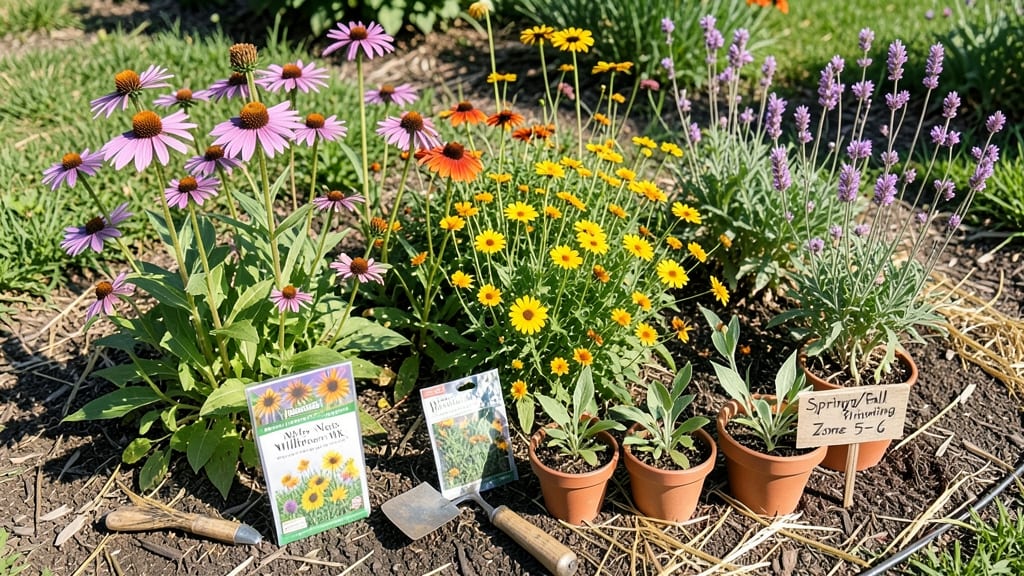
Plant wildflowers in Michigan between mid-April and early June for the best blooms, when soil temperatures reach a steady 50°F and frost risk has passed.
Michigan’s unpredictable spring weather can make wildflower planting a gamble—unless you follow the perfect timing for USDA Zones 4-5. Plant too early, and frost will kill your seeds; too late, and you’ll miss peak blooming seasons.
Native wildflowers like black-eyed Susans and coneflowers thrive when sown in spring, but some varieties benefit from a fall planting too. The key is warm soil and consistent moisture, which means waiting until after the last frost date in your area.
In this guide, I’ll walk you through the exact planting timeline, soil prep tips, and how to extend your wildflower blooms from summer through fall—so you can enjoy vibrant color year after year.
Best planting months for wildflowers in Michigan’s zone 4-5 climate
Michigan’s USDA Zones 4-5 offer unique challenges for wildflower planting, with last frost dates ranging from late April in the Lower Peninsula to early June in the Upper Peninsula.
The key to success lies in understanding regional microclimates and matching planting windows to your specific location’s frost patterns. Spring planting is ideal for annuals, while fall planting gives perennials a head start on root establishment.
For most of Michigan, late April through mid-May is the safest window for spring planting, once soil temperatures consistently reach 50°F (10°C).
In the Upper Peninsula’s cooler zones, wait until mid-May to early June to avoid frost damage. Fall planting should occur 4-6 weeks before your area’s first frost—typically mid-September to early October—to allow seeds time to germinate before winter sets in.
| Planting Window | Best Months (Lower Peninsula) | Best Months (Upper Peninsula) | Soil Temp Requirement | Notes |
|---|---|---|---|---|
| Spring Planting (Annuals) | Late April - Mid-May | Mid-May - Early June | 50°F (10°C) minimum | Use frost blankets for early plantings |
| Fall Planting (Perennials) | Mid-September - Early October | Early September - Mid-September | 45°F (7°C) minimum | Avoid planting too late—seeds need germination time |
| Extended Season Planting | Early June (late bloomers) | Late June (late bloomers) | 60°F (15°C) minimum | Choose drought-tolerant species |
| Soil Preparation | March-April (spring) | March-April (spring) | N/A | Loosen top 4-6 inches of soil |
The Lower Peninsula generally enjoys earlier last frosts than the Upper Peninsula, allowing for slightly earlier planting.
For example, Detroit’s average last frost is April 25, while Marquette’s is May 20. Microclimates near lakes or rivers can also shift planting windows by 1-2 weeks—warmer areas may support earlier spring planting or later fall planting.
Before planting, prepare your soil by removing weeds and tilling to a depth of 4-6 inches. Incorporate compost or aged manure to improve drainage, as wildflowers thrive in well-draining, slightly sandy soil.
In heavy clay soils common across Michigan, mix in sand or perlite to prevent waterlogging. Test your soil pH—most native wildflowers prefer 6.0-7.0, though some like lupine tolerate acidic conditions.
For annual wildflowers, focus on spring planting to ensure they establish before summer heat arrives.
Species like black-eyed Susan and cosmos germinate quickly in warm soil, while perennial wildflowers like coneflower and bee balm benefit from fall planting. Succession planting—sowing small batches every 2-3 weeks—extends bloom time from early summer through fall.
In northern Michigan, where growing seasons are shorter, prioritize cold-hardy perennials like asters and goldenrod. These species establish roots in fall and bloom reliably the following summer. Avoid planting tender annuals like zinnia until after Memorial Day in these regions.
Use mulch to protect newly planted seeds from temperature swings and retain moisture.
If you miss the ideal planting window, don’t despair—late summer planting (August) can still yield blooms the following year for perennials. Choose drought-tolerant species like purple coneflower or butterfly weed for better success.
Always water newly planted seeds daily until germination, then reduce to 2-3 times per week once established.
Pro tip: Mark your planting dates on a garden calendar and note which species thrive in your specific microclimate.
Over time, you’ll refine your timing to create a continuous bloom cycle from early summer through frost. Native wildflowers are the easiest to grow—they’re adapted to Michigan’s climate and require minimal intervention once established.
Remember, the goal is to mimic natural conditions as closely as possible. In the wild, seeds germinate when soil temperatures rise and moisture is available—replicate this in your garden for the best results.
With the right timing, your Michigan wildflower meadow will attract pollinators and provide year-round interest with minimal effort.
Wildflower species planting guide by bloom season in Michigan
Michigan’s diverse wildflowers offer year-round color, but timing your planting ensures the best blooms. Native species thrive when planted at their ideal times, avoiding frost damage and maximizing pollinator visits.
Spring bloomers like wild columbine need early starts, while late-season stars like black-eyed Susans can wait until summer. Let’s break down the perfect planting schedule for each bloom season.
Understanding Michigan’s USDA Zones 4-5 is key—frost dates vary by region, with the Upper Peninsula often colder than the Lower Peninsula. Spring planting typically starts in April-May, while fall planting should finish by September to allow seeds to establish roots before winter.
The right timing also prevents weeds from outcompeting your wildflowers.
-
1. Spring Bloomers (March-May)
Plant: Wild Columbine, Bloodroot, Dutchman’s Breeches
Deadline: Early April (soil temp ≥40°F) -
2. Early Summer Stars (June-July)
Plant: Phlox, Butterfly Weed, Coneflower
Deadline: Late April-May (after last frost) -
3. Mid-Summer Showstoppers (July-August)
Plant: Black-Eyed Susan, Blanket Flower, Coreopsis
Deadline: June (direct sow) or September (fall) -
4. Late-Season Beauties (August-October)
Plant: Goldenrod, Aster, Joe-Pye Weed
Deadline: Late July-September (before first frost) -
5. Fall Planting Bonus
Plant: All species (especially perennials)
Deadline: September-October (6-8 weeks before frost)
For spring bloomers, focus on wild columbine and bloodroot—these delicate flowers need early planting to beat frost. Scatter seeds in well-drained soil and lightly cover with mulch. Phlox and butterfly weed thrive when planted in late April, giving them time to establish roots before summer heat arrives.
Mid-summer favorites like black-eyed Susans and coneflowers can handle June planting but perform best with a fall sowing in September. These hardy perennials tolerate Michigan’s hot summers and humid conditions, making them low-maintenance choices. Pair them with coreopsis for a drought-resistant combo.
Extend your blooms into fall with goldenrod and asters, which thrive when planted in late July. These late-season stars provide nectar for migrating pollinators and add warm hues to your garden. For companion planting, group asters with Joe-Pye weed—both love moist soil and attract butterflies.
Pro tip: Use native seed mixes for Michigan’s climate. These blends include wild bergamot and prairie smoke, which support local ecosystems. Always water lightly after planting and avoid heavy foot traffic until seeds germinate—usually within 2-4 weeks.