
Flowers
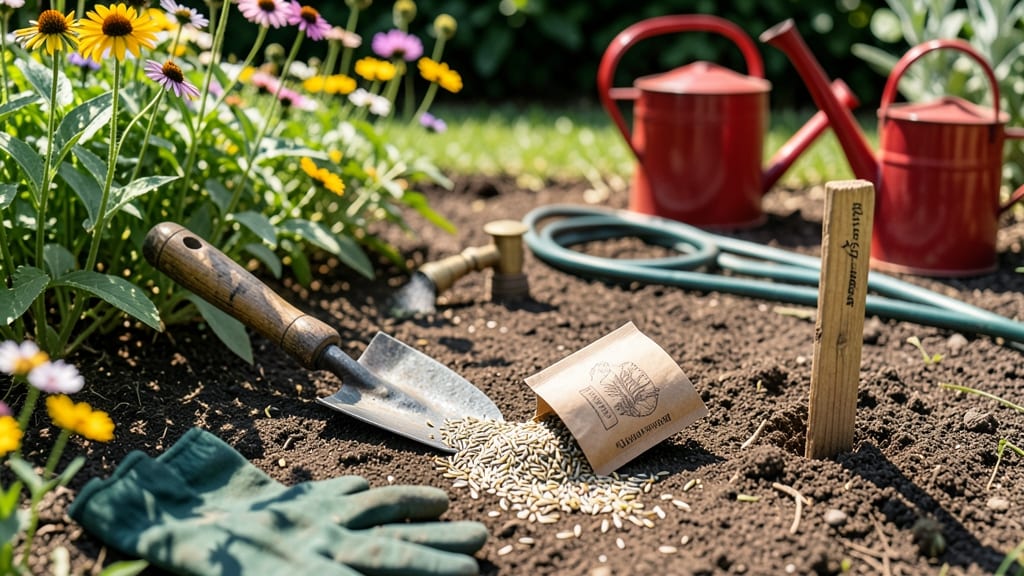
Plant wildflowers in Zone 6 during early spring or fall 🌼 for the best chance at vibrant, long-lasting blooms.
Zone 6 gardeners know timing is everything—plant wildflowers too early, and frost will wipe them out; too late, and they’ll struggle to establish before winter. But get the schedule right, and you’ll unlock vibrant meadows that thrive year after year.
Spring planting in March or April gives seeds a head start before summer heat, while fall planting in September or October lets them root before cold sets in. Both windows avoid the pitfalls of late-summer heat or winter dormancy.
Below, I’ll break down the exact months to plant, soil prep tips for Zone 6’s clay-heavy soils, and the native wildflowers that perform best in your region—plus how to keep them blooming from June through October.
Best wildflower planting months in Zone 6 for year-round blooms
Zone 6’s cool springs and early frosts demand precision when planting wildflowers. Miss the window, and your meadow dreams could wither before they begin. But with the right timing, you’ll create a continuous bloom parade from spring through fall. The key? Soil temperature and frost dates—not just calendar months.
Most wildflowers thrive when soil reaches 45-55°F for germination. In Zone 6, that typically means March-April for spring planting and September-October for fall. Native species like black-eyed Susans and coneflowers adapt best to these windows, while annuals such as cosmos need warmer soil to avoid damping off.
Here’s the non-negotiable rule: Plant annuals after your last frost date (April 15 in most of Zone 6) and perennials 4-6 weeks before first frost (October 15). Fall planting gives roots time to establish before winter dormancy, while spring planting avoids summer heat stress.
| Plant Type | Best Planting Window | Soil Temp Threshold | Frost Deadline | Zone 6 Months |
|---|---|---|---|---|
| Annual Wildflowers | After last frost | 50-60°F | None (heat-tolerant) | April-May |
| Perennial Wildflowers | Early spring or fall | 45-55°F | 4-6 weeks before first frost | March-April or Sept-Oct |
| Native Species | Fall preferred | 50-65°F | 6 weeks before first frost | September-October |
| Biennials | Late summer for fall blooms | 55-65°F | None (overwintering) | August |
For spring planting, aim for late March to early May when soil warms consistently. Use a soil thermometer—if temps hover below 50°F for days, delay planting. Scatter seeds lightly over prepared soil (no deeper than ¼ inch) and press gently.
Annuals like sunflowers and zinnias germinate fastest in warm soil, while bluebonnets need cooler temps.
Fall planting in September-October gives wildflowers a head start. Choose cold-hardy natives like purple coneflower or goldenrod, which establish roots before winter. Water deeply after planting to encourage root growth before dormancy. Avoid planting after mid-October, as new roots won’t harden off before frost.
Zone 6’s short growing season means staggered planting can extend blooms. Try this trick: Sow half your annual seeds in May for late-summer color, while fall-planted perennials bloom next spring. For example, black-eyed Susans planted in September often outperform spring plantings by flowering 2 weeks earlier.
Don’t overlook microclimates—south-facing slopes warm faster than shaded areas. Plant heat-loving annuals like lupine on sunny hillsides, while shade-tolerant perennials (e.g., columbine) thrive under trees. Use a shade cloth if planting early spring in exposed areas to protect tender seedlings from late frosts.
After planting, mulch lightly (¼ inch) to retain moisture and regulate soil temperature. For spring plantings, remove mulch once flowers emerge to prevent rot from excess moisture.
In fall, leave mulch until first frost to insulate roots. Water deeply once a week—wildflowers hate soggy soil but need consistent moisture to establish.
Pro tip: Direct-sow seeds instead of transplanting—wildflowers resent root disturbance. If you must transplant, do it on a cloudy day to reduce stress. For large areas, use a seed spreader or broadcast seeds by hand, then lightly rake to ensure seed-to-soil contact.
With these precision timing tips, your Zone 6 wildflower meadow will burst with color from May through October. Start with native species for low-maintenance beauty, and don’t forget to save seeds from your best performers for next year’s plantings! 🌼
How to extend your wildflower season in Zone 6’s short growing period
Zone 6’s short growing season can feel like a race against time, but with the right strategies, your wildflowers can bloom from early spring to late fall. The key lies in staggered planting, selecting cold-hardy species, and leveraging microclimates to create continuous color.
Even in cooler months, the right wildflowers can thrive, turning your garden into a year-round spectacle.
One of my favorite tricks is succession planting, where I plant wildflowers in three waves—early spring, mid-summer, and early fall. This ensures that as one batch finishes blooming, another takes over.
For example, black-eyed Susans and coneflowers start in spring, while goldenrod and aster take over in late summer and fall. It’s like a relay race for blooms!
Another game-changer is microclimate adjustments. A south-facing slope warms up faster in spring, allowing early bloomers like lupines to thrive weeks before other areas. Meanwhile, shaded spots can host woodland phlox or trilliums, which prefer cooler conditions.
By mapping your garden’s sun and shade patterns, you can strategically place wildflowers for extended seasonal interest.
- 1 Staggered Planting: Plant early bloomers (e.g., bluebonnets) in March, mid-season (e.g., blanket flower) in May, and late bloomers (e.g., sneezeweed) in September for continuous color.
- 2 Cold-Hardy Species: Choose perennials like purple coneflower or butterfly weed, which tolerate Zone 6 winters and return year after year with minimal effort.
- 3 Succession Planting: Sow annuals like cosmos every 4-6 weeks from May to August to replace fading blooms and keep pollinators fed.
- 4 Microclimate Leveraging: Plant heat-loving wildflowers (e.g., black-eyed Susan) on south-facing slopes and shade-tolerant varieties (e.g., columbine) in woodland edges for year-round diversity.
- 5 Fall Prep: Leave seed heads on perennials over winter to self-seed naturally in spring, reducing your workload and ensuring next year’s blooms.
Don’t overlook the power of native wildflowers, which are already adapted to Zone 6’s climate. Species like wild bergamot and partridge pea thrive in poor soil and drought conditions, making them low-maintenance choices for extending your season.
Plus, they attract pollinators like bees and butterflies, adding another layer of garden life to your landscape.
Finally, mulching plays a crucial role in protecting wildflowers during early spring and late fall. A thick layer of straw or leaves insulates roots from frost heaves and retains moisture.
I often mulch in October and again in March to give my wildflowers a head start. This small step can mean the difference between wilted blooms and vibrant, long-lasting flowers.
With these strategies, your wildflower garden in Zone 6 can bloom longer and more abundantly than ever. The secret is planning ahead, choosing the right species, and working with your microclimate—not against it. Happy gardening! 🌼