
Vegetables
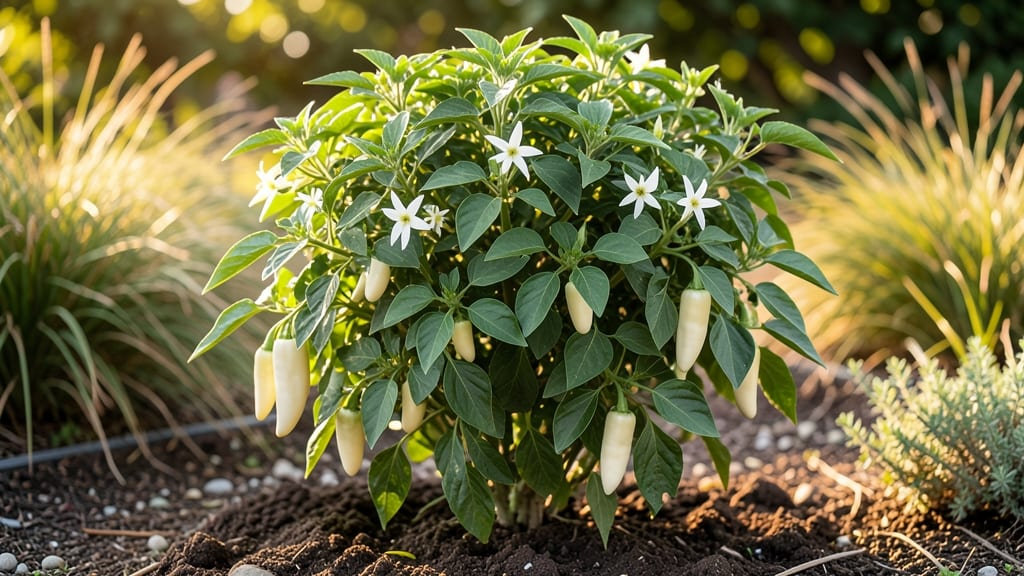
White chili pepper plants might look delicate, but they're the toughest perennials in your garden. 🌱 I've grown them for years, and they regrow like weeds after winter—no fuss, just bold flavor. The secret lies in their love for heat, both in climate and in your care routine.
Start with well-draining soil and a spot that bakes in full sun—think 6+ hours daily. These plants thrive in zones 9-11, but even cooler climates can grow them as annuals with proper winter protection.
The key is mimicking their natural desert-like conditions: dry soil, minimal fuss, and lots of warmth. By summer's end, you'll harvest pale green, creamy white peppers that pack heat and complexity. They're perfect for fresh salsas, pickling, or drying into fiery seasonings.
The plants themselves reach 3-5 feet tall, so give them space to sprawl. Here's the best part: each year, they come back stronger. With proper care, you'll have a perennial harvest that outperforms any store-bought pepper. Let's get growing!
📚 In This Guide
- What you need
- Instructions
- Tips and common mistakes
- Wrapping up and next steps
What you need
- ● Seeds or Seedlings: White chili pepper seeds (e.g., Capsicum annuum varieties like ‘White Chocolate’ or ‘White Beauty’). Purchase from a reputable supplier (10–20 seeds for a small garden).
- ● Containers or Garden Bed: 5–10 gallon pots (if container-growing) with drainage holes, or
- ● A sunny garden bed (6+ hours of sunlight daily) with well-draining soil.
- ● Potting Mix: High-quality, well-draining soil mix (e.g., 60% potting soil + 40% perlite or coco coir). Avoid heavy clay soil.
- ● Fertilizer: Balanced organic fertilizer (10-10-10 or 5-5-5 ratio) or compost (1 cup per plant every 4–6 weeks).
- ● Watering Can or Hose: With a gentle spray nozzle to avoid damaging stems.
- ● Pruning Shears: Sterilized shears for harvesting peppers and shaping plants.
- ● Grow Lights: For indoor growing (LED or fluorescent, 12–16 hours/day).
- ● Mulch: Straw or shredded leaves to retain moisture and suppress weeds.
- ● Support Stakes: Small bamboo stakes or cages (3–4 feet tall) for taller varieties.
- ● pH Test Kit: To monitor soil pH (ideal range: 6.0–7.0 for chilis).
- ● Row Covers: Lightweight fabric to protect seedlings from pests or frost (early season).
How to grow white chili pepper plants as perennial regrowers
Here’s my foolproof method for turning white chili peppers into hardy, year-after-year producers.
🌱 Step 1: Select and Prepare the Right Spot
White chili peppers thrive in full sun—at least 6-8 hours daily—and well-draining soil with a pH between 6.0 and 7.5. I always choose a sheltered location to protect them from strong winds that can snap tender stems. If your soil is heavy clay, amend it with 2-3 inches of compost mixed into the top 12 inches before planting.
Dig a hole twice as wide as the root ball but only as deep as the container it came in. This prevents burying the stem too deeply, which can rot the plant. Loosen the roots gently if they’re root-bound—just tease them apart with your fingers, no need to force it.
☀️ Step 2: Plant and Water for Immediate Establishment
Place the chili pepper plant in the hole and backfill with soil, pressing lightly to remove air pockets. Water deeply right after planting—about 1 gallon per plant—to help roots settle into the soil. You’ll see the soil sink slightly as it absorbs moisture; this means you’ve watered enough.
Mulch around the base with 2-3 inches of organic mulch (like straw or shredded leaves) to retain moisture and regulate soil temperature. Keep the mulch 2 inches away from the stem to prevent rot. Avoid watering from above after planting—direct streams can dislodge the soil and damage roots.
💧 Step 3: Maintain Consistent Moisture and Fertility
Water deeply every 2-3 days during the growing season, ensuring the top 2-3 inches of soil stay moist but not soggy. White chilis are drought-tolerant once established, but consistent moisture encourages larger, sweeter peppers. You’ll know you’ve got it right when the soil feels like a damp sponge—not dripping, just evenly hydrated.
Fertilize every 4-6 weeks with a balanced, organic fertilizer (like 10-10-10) during the growing season. Stop fertilizing 6-8 weeks before the first frost to let the plant harden off for winter. Over-fertilizing late in the season can lead to tender new growth that won’t survive cold snaps.
✂️ Step 4: Prune and Protect for Winter Regrowth
Prune back weak or diseased stems in early fall, cutting just above a leaf node to encourage bushier growth. Leave strong, healthy stems intact—they’ll regrow next year. I also trim any peppers left on the plant before the first frost, as they won’t ripen properly in cold weather but will drain energy the plant needs to survive.
Once temperatures drop below 40°F at night, cover the base of the plant with 4-6 inches of mulch to insulate the roots. In colder climates, wrap the entire plant in burlap or frost cloth if temperatures dip below 25°F. Even in mild winters, this protection ensures the plant’s crown survives to regrow in spring.
🌿 Step 5: Harvest and Encourage Year-Round Productivity
Harvest peppers when they reach full size but before they fully ripen—this encourages the plant to produce more. White chilis can be harvested green or red, depending on your preference. Use clean, sharp scissors to cut stems, leaving a small portion attached to the plant to prevent disease entry.
In spring, remove any dead or damaged growth from the previous year and add a top dressing of compost around the base. Water lightly to wake up the roots, and you’ll see new shoots emerge within 2-3 weeks. With proper care, your white chili pepper plant will produce bold, flavorful peppers for years with minimal effort.
Tips & tricks for growing hardy white chili pepper plants
A few simple strategies will transform your white chili pepper into a thriving perennial that keeps producing year after year.
Sunlight Optimization: While the instructions call for 6-8 hours of full sun, I’ve found that positioning your plant slightly west-facing can actually extend the sunlight exposure by 1-2 hours in the afternoon when temperatures are cooler. This extra light boosts pepper production without stressing the plant. For container growers, place pots on a rolling stand to rotate them every few days—this ensures even sun exposure all around.
Soil Preparation Secret: The key to that well-draining soil isn’t just compost—it’s the texture. I mix in 20% perlite or coarse sand with the compost and native soil to create tiny air pockets that prevent root rot while retaining moisture. Think of it like adding tiny water reservoirs to the soil matrix. For heavy clay soils, I double the compost to perlite ratio (3:1) to create that perfect sponge-like texture.
Winter Protection Hacks: When nighttime temperatures drop below 40°F, I don’t just add mulch—I create a mini greenhouse effect. After applying the 4-6 inches of mulch, I place a clear plastic dome (like a large salad container with the bottom cut out) over the plant. This traps heat while still allowing light and air circulation. In areas where temps drop below 25°F, I combine the dome with a thick layer of straw mulch—this has saved my plants through winters that would have otherwise been fatal.
Harvesting Technique: The "before they fully ripen" instruction is crucial, but here’s how to tell exactly when to harvest: Look for peppers that have reached about 75% of their maximum size and show slight color changes from green to white or red. The stem where it attaches to the plant should also feel slightly softer—this indicates the pepper is ready. I harvest in the morning when peppers are firmest and most flavorful, using sterilized pruning shears to make clean cuts that heal quickly.
Pro Tips for White Chili Pepper Plant
- A few simple strategies will transform your white chili pepper into a thriving perennial that keeps producing year after year.
- This extra light boosts pepper production without stressing the plant.
- Soil Preparation Secret: The key to that well-draining soil isn’t just compost—it’s the texture.
Frequently asked questions
Got questions about growing and caring for white chili pepper plants? You’re not alone! Here are some of the most common queries—plus straightforward answers to keep your perennials thriving year after year.
How long does it take for a white chili pepper plant to produce peppers?
With patience, you’ll see peppers in 90–120 days from transplanting, assuming your plant gets full sun (6+ hours daily) and warm soil (70°F+). Pro tip: Prune early flowers to boost fruit size later!
Can white chili peppers survive winter in cold climates?
These peppers are perennial in USDA Zones 9–11 but need protection elsewhere. Mulch heavily, wrap containers in burlap, or grow them in pots to move indoors during frost. Bonus: They’ll regrow like a weed if roots stay alive!
What’s the best way to harvest white chili peppers?
Use sterilized pruners to snip peppers at the stem—leave a small nub to prevent rot. Harvest when firm and white (or slightly greenish) for maximum heat and flavor. Warning: Wear gloves if you’re sensitive to capsaicin!
Why aren’t my white chili peppers turning white?
Peppers stay green if they’re underripe, overwatered, or lack sunlight. Boost maturity by ensuring 8+ hours of sun and thinning fruit clusters. If peppers turn yellow/red, they’re past their prime—harvest sooner next time!
What can I substitute if I can’t find white chili pepper plants?
Try white habaneros, ghost peppers, or even pale banana peppers for a milder kick. For cooking, white poblano peppers (blanched) mimic the smoky flavor. Note: Heat levels vary—start small!
Wrapping up and next steps
Growing white chili pepper plants is a rewarding journey—these hardy perennials bring bold flavor back year after year with minimal fuss! Whether you’re drawn to their spicy kick or their resilience, these plants prove that even the most novice gardeners can cultivate something extraordinary. 🌱
Ready to dive in? Start by gathering your supplies, picking the perfect spot, and giving these peppers the love they deserve. Plant one today, and enjoy the harvests to come! 🌶️