
Vegetables
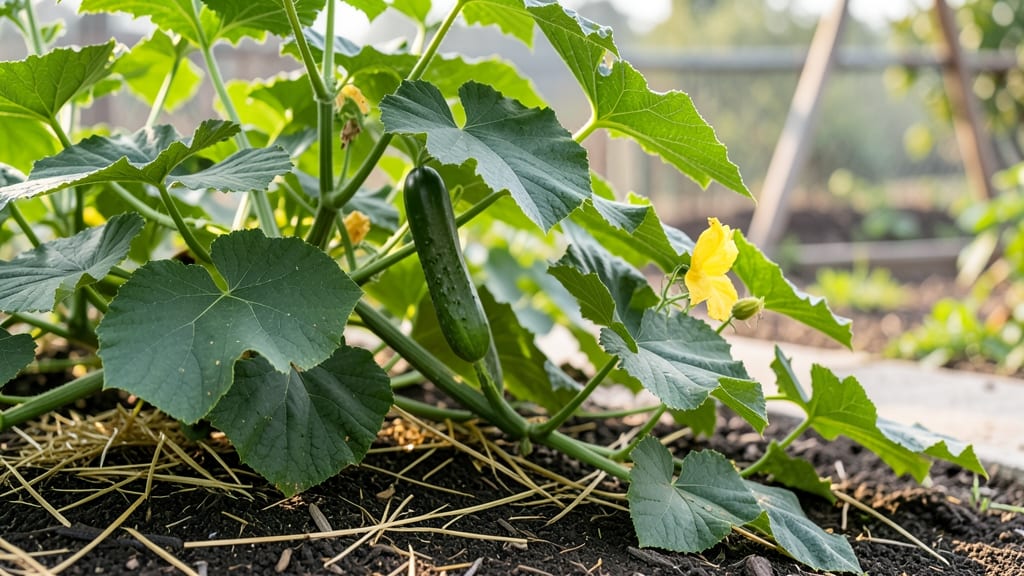
Growing 8-inch cucumbers in just 60 days means fresh, crunchy pickles and salads from your own backyard—no more waiting for store-bought produce. 🌱 These compact varieties thrive in small spaces, making them perfect for containers, balconies, or even a corner of your garden where larger plants would sprawl.
I’ve grown them for years, and they consistently outperform traditional cucumbers in both flavor and productivity, even in my less-than-ideal urban soil. The secret to their speed lies in the right conditions: full sun, well-draining soil, and consistent moisture (but not soggy roots).
Unlike their sprawling cousins, these stay tidy with minimal pruning, and their 60-day maturity means you can squeeze in multiple harvests in a single season. Perfect for beginners or anyone short on space, they’re also disease-resistant, so you’ll spend less time fighting pests and more time enjoying the harvest.
By mid-summer, you’ll be snipping crisp, 8-inch cucumbers straight from the vine—ideal for slicing, pickling, or stuffing. The plants keep producing for weeks if you stay on top of watering and pruning, giving you a steady supply without the mess.
And because they’re bush-type, they don’t need trellises or take over your garden like standard cucumbers. Whether you’re growing in 5-gallon containers or a raised bed, these cucumbers adapt easily. Start seeds indoors 3-4 weeks before your last frost, or plant directly after soil warms to 60°F.
The key is patience in the early stages—once they take off, they’ll reward you with abundant, uniform harvests all season long.
📚 In This Guide
- What you need
- Instructions
- Tips and common mistakes
- Wrapping up and next steps
What you need
- ● Cucumber Seeds or Seedlings: Choose long-vine varieties like 'Straight Eight,' 'Marketmore,' or 'Diva' (6-10 seeds or 3-5 seedlings).
- ● Growing Space: For containers: 5-gallon buckets or fabric grow bags (2-3 per plant).
- ● For ground planting: 3-4 ft wide rows with 3-4 ft spacing between plants.
- ● Soil: Well-draining, nutrient-rich mix (pH 6.0-6.8). Add compost (1 part compost to 3 parts soil).
- ● Fertilizer: Balanced 10-10-10 or 5-10-10 fertilizer (1 tbsp per plant at planting).
- ● Slow-release organic fertilizer (e.g., worm castings or fish emulsion).
- ● Watering Supplies: Drip irrigation or soaker hose (to keep soil consistently moist).
- ● Trellis or Support: 6-8 ft tall cucumber trellis (bamboo stakes, A-frame, or netting).
- ● Pruning Shears: For trimming excess leaves/vines (small, sharp pair).
- ● Mulch: Straw or black plastic to retain moisture and suppress weeds.
- ● Row Covers: Lightweight fabric to protect from pests (early season).
- ● pH Test Kit: Ensure soil is in the ideal range (adjust with lime or sulfur if needed).
- ● Growth Hormone Spray: (e.g., kelp meal) to boost vine strength.
- ● Harvest Basket: Because 8-inch cucumbers won’t harvest themselves! 😉
Step-by-step guide to growing compact cucumber varieties
Here's how to coax those tiny, sweet cucumbers from seed to harvest in just two months.
🌱 Step 1: Start Seeds Indoors for Early Growth
Fill small seedling trays with moistened seed-starting mix and plant 1-2 seeds per cell at a depth of ½ inch. These miniature varieties grow fast, so you'll want a jumpstart. Keep the soil consistently moist but never soggy—press your finger in and water when the top inch feels dry to the touch. Place trays in a warm spot (around 70-75°F) and cover with plastic wrap to retain humidity.
Expect germination in 5-7 days. Once sprouts appear, remove the plastic and move them to a sunny windowsill or under grow lights for 12-14 hours daily. Thin to one seedling per cell after the first true leaves emerge—this prevents overcrowding and gives each plant room to develop strong roots. I always label my trays with the variety name and date because these little plants mature so quickly.
🪴 Step 2: Transplant After Frost and Warm Soil
Wait until soil temperatures reach at least 60°F before transplanting—cold soil stunts root development. Choose a location with full sun (6+ hours daily) and well-draining soil. These compact varieties thrive in containers or raised beds, so dig a hole twice as wide as the root ball but only as deep as the container's height. Gently remove seedlings from their trays and place them in the hole, firming soil around the base.
Space plants 12-18 inches apart in rows 2 feet apart to allow airflow and prevent disease. Water deeply right after transplanting to settle the soil and encourage root expansion. Here's the thing—these cucumbers grow fast, so mulch heavily with straw to retain moisture and keep roots cool. I use 2-3 inches of mulch to prevent soil from drying out between waterings.
☀️ Step 3: Provide Support and Consistent Care
Install small trellises or cages (around 12 inches tall) immediately after transplanting—these compact varieties need support to prevent sprawling. Train vines to grow upward by gently weaving them through the structure as they grow. You'll see new leaves appear every 3-5 days once established, signaling healthy growth. Water at the base in the morning to keep foliage dry and reduce fungal risks.
Feed plants every 2-3 weeks with a balanced liquid fertilizer (10-10-10) diluted to half strength. These fast growers deplete nutrients quickly, so don't skip this step. Watch for cucumbers to appear in 45-60 days—they'll start small (around 6-8 inches long) and stay that way if harvested regularly. I pick mine every 2-3 days to encourage continuous production.
✂️ Step 4: Harvest and Maintain for Continuous Yield
Harvest cucumbers when they reach 6-8 inches for maximum sweetness and tenderness. Use sharp scissors or pruners to cut stems cleanly—this prevents damage to the vine. I check plants daily during peak season because these little cucumbers grow overnight. Leave a ½ inch stem attachment to protect the plant from disease entry points.
After harvest, trim any yellowing leaves immediately to redirect energy to fruit production. These compact varieties produce heavily for 4-6 weeks before slowing down. To extend the season, provide afternoon shade during hot spells (above 85°F) and keep soil consistently moist. With proper care, you'll get multiple harvests from each plant before the first frost.
Tips & tricks for perfect compact cucumber growth
Real talk: These tiny cucumbers grow fast, but only if you nail a few key details from the start.
Seed Starting Wisdom: The 5-7 day germination window is your first critical test. To speed things along, place a heating mat under your seedling trays—this keeps soil at a consistent 75°F and can shave off a day or two. I also mist the soil lightly with warm water before covering with plastic wrap, which helps break dormancy faster. Once sprouts emerge, remove the plastic immediately to prevent mold, but keep humidity high by placing the tray on a damp towel.
Transplant Timing Secret: Don't rush planting outdoors—soil must stay above 60°F for 5+ days straight. I test soil temp with a simple thermometer probe in the afternoon (soil warms up during the day). If temps dip below 60°F at night, wait another week. Cold soil stunts root growth, and these compact varieties need every advantage to hit that 45-60 day harvest window.
Support System Hack: The 12-inch trellises mentioned aren't just for looks—they're essential for preventing disease. When training vines, weave them through the structure in a spiral pattern rather than just looping around. This creates better airflow between leaves, reducing powdery mildew risk. I also add a second, smaller trellis later in the season when vines get heavy—this prevents the original structure from bending or breaking under the weight of all those 6-8 inch cucumbers.
Harvest Rhythm: That 2-3 day picking schedule is non-negotiable for sweetness. I set a phone reminder every morning during peak season because these cucumbers grow overnight. Pro tip: Harvest first thing in the morning when cucumbers are crispest. If you must wait, pick in the late afternoon—avoid harvesting when soil is wet (like after rain) to prevent disease entry points through the cut stems.
Pro Tips for 8 Inch Cucumber
- Real talk: These tiny cucumbers grow fast, but only if you nail a few key details from the start.
- Seed Starting Wisdom: The 5-7 day germination window is your first critical test.
- Transplant Timing Secret: Don't rush planting outdoors—soil must stay above 60°F for 5+ days straight.
Frequently asked questions
How long does it take for cucumber plants to grow an 8-inch cucumber?
With the right variety (like 'Straight Eight' or 'Diva'), you can expect a harvest in 50–60 days from planting. Fast-maturing hybrids thrive in warm soil (70°F+), so start seeds indoors 3–4 weeks before the last frost or transplant seedlings when night temps stay above 55°F. Pro tip: Use black plastic mulch to warm the soil faster and speed up growth!
Why are my cucumbers growing too fast but staying small?
If your vines are exploding with leaves but cucumbers stay under 4 inches, it’s likely due to over-fertilizing with nitrogen (leafy growth) or lack of pollination. For parthenocarpic varieties (like 'Eight Ball'), hand-pollinate with a paintbrush if needed. For bee-pollinated types, ensure bees visit your garden daily. Troubleshoot: Switch to a balanced 10-10-10 fertilizer and prune excess foliage to redirect energy to fruit.
Can I grow 8-inch cucumbers in containers? What’s the best pot size?
Use a 5-gallon container or larger (minimum 12" deep) with drainage holes. Opt for bush varieties like 'Bush Champion' or train vining types (e.g., 'Straight Eight') up a trellis to save space. Fill with well-draining potting mix and fertilize weekly with a liquid feed. Container hack: Add composted manure at planting for a nutrient boost!
What’s the best way to store or preserve 8-inch cucumbers?
These giants are best enjoyed fresh within 3–5 days of harvest. For longer storage, refrigerate unwashed cucumbers in a paper towel-lined container (lasts up to 2 weeks). To preserve, try pickling (slice thin and pack in vinegar brine) or fermenting (like kimchi). Bonus: Freeze cucumber relish or rinds for soups later!
What can I do if my cucumbers turn yellow or bitter before reaching 8 inches?
Yellowing or bitter cucumbers often signal over-maturity, stress, or heat. Harvest promptly when 6–8 inches long for sweetness. To prevent bitterness, ensure consistent watering (1–2 inches per week) and mulch to retain moisture. If temps exceed 90°F, provide afternoon shade. Quick fix: Use cucumbers in cooked dishes (like stir-fries) to mellow bitterness.
Are there alternatives to 8-inch cucumbers for small gardens?
Yes! Try these space-saving, high-yield varieties:
- 'Spacemaster' – Compact vining type (5–6" cucumbers, 40 days).
- 'Sweet Success' – Bush variety, disease-resistant, 6" cucumbers.
- 'Armenian' (snake cucumbers) – Long but slender (12–18"), great for trellises.
Wrapping up and next steps
Growing 8-inch cucumbers in just 60 days is totally within reach—whether you're a seasoned gardener or a curious beginner! 🌱 With the right soil, sunlight, and a dash of patience, you’ll soon be harvesting juicy, vine-ripened giants to enjoy fresh or share with friends.
The key? Stay consistent with care and don’t hesitate to experiment with varieties or techniques.
Now that you’re armed with tips and answers, roll up your sleeves and start planting! Grab your gloves, pick a sunny spot, and watch your garden transform into a cucumber paradise. Ready to dig in? Review your supplies and get growing today! 🌿