
Diseases
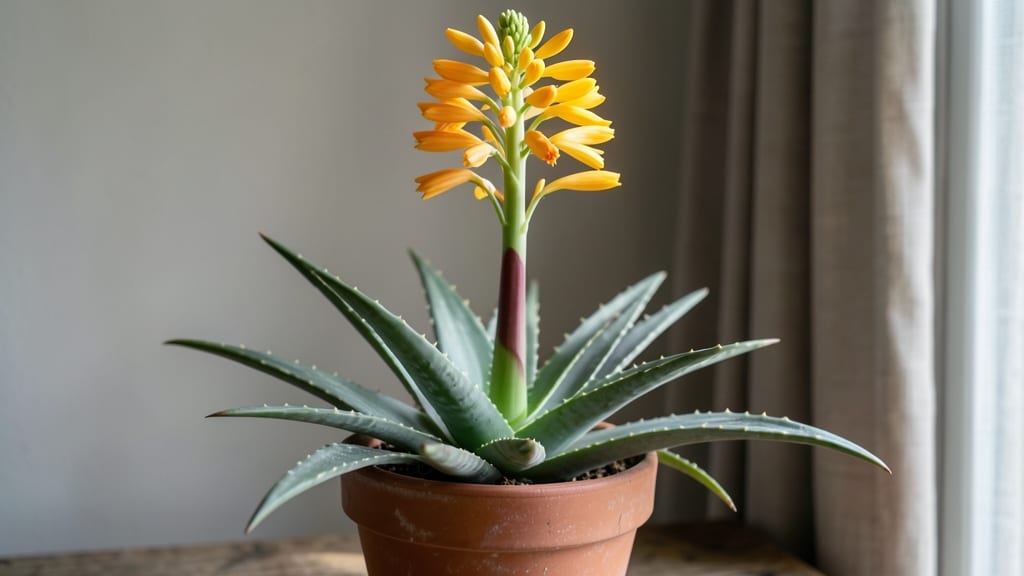
Seeing a yellow flower on your aloe vera plant might seem like a surprise — or even a cause for concern — when you’ve spent months tending to its thick, green leaves.
That unexpected bloom isn’t always a sign of trouble. In fact, it could mean your aloe vera 🌱 is mature and thriving, or it might signal stress from overwatering, pests, or poor lighting. The key is knowing how to tell the difference and what to do next.
Whether your plant’s yellow flower is a rare beauty or a warning sign, this guide will help you diagnose the issue and keep your aloe healthy. You’ll learn how to adjust care, spot hidden problems early, and even encourage more blooms if that’s what you want.
By the end, you’ll have the confidence to nurture your plant back to its best — whether it’s sporting a striking yellow flower or just looking a little worse for wear.
Why does my aloe vera have a yellow flower?
Aloe vera’s yellow flower is a rare but fascinating sight that often surprises plant owners. Unlike the typical green succulent we know, this bloom signals something special about your plant’s health or environment.
The flower itself is part of the Aloe arborescens family, though true aloe vera (Aloe barbadensis) rarely produces them. Understanding this phenomenon helps you decide whether to celebrate or intervene.
First, recognize that yellow flowers on aloe vera are almost always a positive sign. They indicate the plant has reached maturity (3+ years old) and is healthy enough to allocate energy to reproduction.
However, stress—such as overwatering, insufficient sunlight, or temperature fluctuations—can also trigger flowering as a survival mechanism. Distinguishing between these causes is key to preserving your plant’s well-being.
🌱
| Cause of Yellow Flower | Key Indicators | Action Required |
|---|---|---|
| Maturity Signal | Plant is 3+ years old, leaves are thick and vibrant, 12+ mature leaves | Celebrate! No action needed—just maintain normal care |
| Overwatering Stress | Soft, mushy leaves, yellowing at base, slow growth, root rot smell | Stop watering for 2-3 weeks, repot in cactus mix, ensure drainage holes |
| Sunlight Deficiency | Leaves are pale or stretched, flower stalk is weak or leggy, slow growth | Move to bright, indirect light (6+ hours/day), avoid direct midday sun in hot climates |
| Temperature Shock | Flower appears after cold snap or heatwave, leaves may show brown tips | Acclimate plant gradually; avoid below 50°F or above 90°F consistently |
| Nutrient Deficiency | Yellowing between leaf veins, stunted growth, weak flower stalk | Fertilize lightly with balanced succulent fertilizer (2-7-2 NPK) in spring/fall |
| Pest Damage | Sticky residue, white webbing, tiny insects, yellow spots on leaves | Isolate plant, wipe off pests with soapy water, apply neem oil if severe |
The yellow flower itself is a spike-like inflorescence that can grow up to 2-3 feet tall, topped with tubular yellow blooms. Each flower lasts only 1-2 days, but the stalk may produce 10-20 flowers over 2-3 weeks.
If your aloe’s flower appears weak or deformed, it’s likely a response to environmental stress rather than a healthy bloom.
Pay close attention to the flower stalk’s condition. A thick, sturdy stalk with vibrant yellow flowers suggests your aloe is thriving. However, a thin, wilted stalk or discolored blooms could indicate root rot or fungal infection.
In such cases, inspect the roots and adjust care immediately to prevent spread.
🌿
One common misconception is that yellow flowers mean your aloe vera is dying. In reality, they’re a sign of vitality—like a blooming reward for proper care.
However, if the rest of the plant shows yellowing leaves, spots, or softness, the flowering might be a last-ditch effort to reproduce before decline. Always check the roots and leaves for hidden issues.
To encourage future blooms, focus on consistent sunlight (6+ hours/day), minimal watering (every 2-3 weeks), and well-draining soil. Avoid fertilizing during flowering, as excess nutrients can weaken the bloom and stress the plant. Instead, let nature take its course—your aloe’s yellow flower is a testament to its resilience.
🪴
If you’re unsure whether your aloe’s yellow flower is healthy, compare it to these key benchmarks:
- Healthy stalk: Thick, upright, green or reddish
- Vibrant blooms: Bright yellow, no browning
- Strong leaves: Thick, upright, no yellowing
Finally, remember that not all aloe vera plants flower. Some varieties, like Aloe barbadensis miller, are bred for leaf production and rarely bloom. If your plant is a hybrid or younger, flowering may not occur for years.
Patience and proper care are your best tools for coaxing those stunning yellow blooms to life.
How to care for aloe vera after it blooms
After your aloe vera produces those rare yellow flowers, it signals a shift in its energy—from blooming to recovery. This is your cue to adjust care routines to support its health.
Post-flowering, your plant may need less frequent watering and extra attention to light exposure to prevent stress. Let’s break down the steps to keep your aloe thriving after this energy-intensive phase.
First, reduce your watering schedule significantly. Aloe vera stores water in its leaves, so overwatering after flowering can lead to root rot. Wait until the top 2-3 inches of soil feel completely dry before watering again.
This typically means watering every 3-4 weeks for outdoor plants or every 2 weeks for indoor aloes in pots.
⚠️ callout warning ⚠️
Your aloe vera is vulnerable to root rot after blooming due to reduced natural drought tolerance. Yellow flowers deplete energy reserves, making roots weaker. Stop watering immediately if soil stays soggy for more than 5 days—this is a root rot red flag.
💡 Pro Tip: Use a moisture meter or stick your finger 2 inches deep—if dry, water sparingly.
Next, optimize light exposure to prevent leaf discoloration. Place your aloe in bright, indirect sunlight for 6-8 hours daily. If outdoors, avoid harsh midday sun, which can scorch leaves. Indoor plants thrive near south-facing windows or under grow lights for 12-14 hours/day if natural light is limited.
Monitor for pests or fungal issues after flowering, as stressed plants attract mealybugs or scale insects. Wipe leaves with a damp cloth and inspect the base of the plant for webbing or sticky residue.
If pests appear, treat with neem oil or insecticidal soap, applying in the early morning to avoid harming beneficial insects.
Adjust seasonal care based on your climate. In summer months, reduce watering to every 4-6 weeks and provide afternoon shade. During winter dormancy, water only when soil is bone-dry and avoid fertilizing.
Indoor aloes may need supplemental humidity if air is dry, using a pebble tray with water beneath the pot.
Finally, fertilize lightly in early spring (March) to replenish nutrients after blooming. Use a balanced, low-nitrogen fertilizer (like 2-7-2 NPK) diluted to half-strength. Skip fertilizing in summer or winter, as your aloe focuses on recovery rather than growth.
This balanced approach ensures your plant stays healthy and ready for its next blooming cycle.
With these adjustments, your aloe vera will bounce back stronger after flowering. Keep an eye on its leaf color and growth rate—healthy aloes should remain vibrant green with minimal yellowing. Happy gardening! 🌱