
Trees
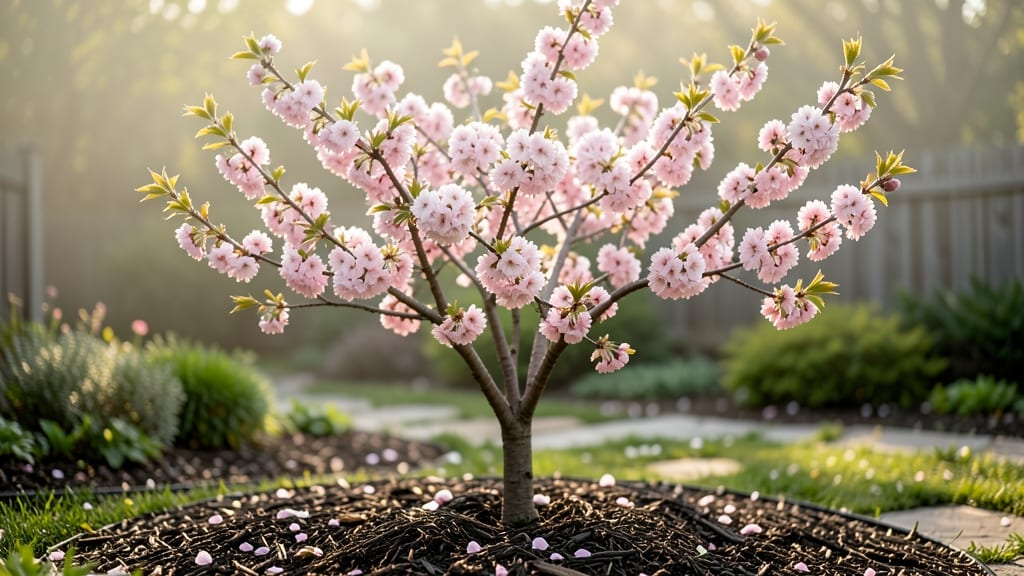
Understanding the flowering cherry growth rate 🌸 helps you plan for that dreamy spring canopy without the wait.
If you’ve ever dreamed of a stunning springtime display but worried about waiting years for your flowering cherry tree to bloom, knowing its growth rate is key to planning your landscape with confidence.
Young trees shoot up 1-3 feet per year in ideal conditions, while mature specimens can top 20-35 feet—but climate, soil, and variety make all the difference.
Here’s how to match your expectations to reality, from dwarf varieties that stay compact to standard types reaching their full height in a decade.


Flowering cherry tree growth rates by variety: fastest vs slowest growers
Choosing the right flowering cherry tree depends on your space and patience. Some varieties burst into bloom within 3-5 years, while others take nearly a decade. The key difference? Annual height gains ranging from 1-3 feet per year depending on the cultivar.
For example, the Autumn Brilliance can grow 2-3 feet yearly, while the classic Yoshino averages just 1-2 feet—a difference that impacts your springtime dreams.
If you're working with limited space, dwarf varieties like Okame or Royal Burgundy mature at 10-15 feet tall, perfect for urban backyards or container growing. Meanwhile, standard varieties like Kwanzan or Shirofugen reach 25-35 feet, making them statement pieces for large landscapes.
Understanding these growth rates helps you plan for pruning, space, and even future landscaping projects.
Here’s how popular varieties compare in terms of yearly height gains, mature size, and time to first bloom—so you can pick the perfect tree for your garden’s timeline and vision.
| Variety | Annual Height Gain (ft) | Mature Height (ft) | Time to First Bloom | Best For |
|---|---|---|---|---|
| Autumn Brilliance | 2-3 | 20-25 | 3-5 years | Fast blooms, small spaces |
| Kwanzan | 1-2 | 25-35 | 5-7 years | Large landscapes |
| Yoshino | 1-2 | 30-40 | 6-8 years | Classic, large gardens |
| Okame (Dwarf) | 1-1.5 | 10-15 | 3-4 years | Containers, small yards |
| Royal Burgundy (Dwarf) | 1-1.5 | 12-15 | 4-5 years | Urban gardens, patios |
| Shirofugen | 1-2 | 25-30 | 5-7 years | Formal gardens |
The Autumn Brilliance stands out as the fastest grower, gaining 2-3 feet yearly and blooming in just 3-5 years. This makes it ideal if you’re eager to see pink and white flowers cascading overhead sooner rather than later.
In contrast, the Yoshino, while iconic, takes 6-8 years to reach its full bloom potential—perfect if you’re planning a long-term landscape investment.
For small spaces, dwarf varieties like Okame or Royal Burgundy are game-changers. They top out at 10-15 feet but still deliver stunning spring blooms in 3-5 years.
These are perfect for containers or tight urban backyards where standard-sized trees wouldn’t fit. Just be sure to prune them lightly each year to maintain their compact shape.
If you’re in a cooler climate (USDA Zone 5-6), expect slightly slower growth—1 foot or less annually for most varieties—until the tree is fully established. In warmer zones (Zone 7-9), growth rates can accelerate by 30-50%, especially with proper soil care and watering.
For example, a Kwanzan in Zone 7 might grow 2 feet yearly compared to just 1 foot in Zone 5.
One common misconception is that faster-growing varieties produce smaller or fewer blooms. Not true! The Autumn Brilliance, for instance, delivers abundant double blooms while growing quickly. The trade-off? It may require more frequent pruning to control its vigor. Always balance your desire for speed with long-term maintenance
How climate zones affect flowering cherry growth speed and bloom timing
Your flowering cherry tree (Prunus serrulata) thrives best in USDA zones 5-9, but its growth rate and bloom timing vary dramatically depending on where you live. In warmer zones (7-9), these trees often grow 20-30% faster and bloom 2-4 weeks earlier than their cooler-climate counterparts.
Understanding these differences helps you set realistic expectations and plan your landscape accordingly.
Cooler zones like Zone 5 experience slower growth—sometimes as little as 6-12 inches per year—while Zone 7 can see 2-3 feet of growth annually. The key difference lies in frost-free days and winter chill requirements.
In colder climates, trees prioritize survival over rapid growth, delaying both height gains and spring blooms.
| USDA Zone | Avg. Annual Growth | Bloom Timing | Key Growth Factor |
|---|---|---|---|
| Zone 5 | 6-12 inches | Late April-May | Short growing season |
| Zone 6 | 12-18 inches | Mid-April | Moderate frost risk |
| Zone 7 | 2-3 feet | Early April | Longer growing season |
| Zone 8-9 | 3-4 feet | Late March | Minimal winter chill |
In Zone 5, flowering cherries often need 3-5 years before producing meaningful blooms due to slower growth. Meanwhile, Zone 8-9 trees may bloom within 2 years of planting. This variation stems from differences in winter chill hours—most varieties require 500-1,000 hours below 45°F to trigger flowering.
Warmer zones may struggle with poor bloom production if chill requirements aren't met.
To accelerate growth in cooler climates, focus on soil preparation and seasonal care. Amend heavy clay soils with compost and sand to improve drainage, and mulch heavily in fall to protect roots.
In Zone 5-6, consider container growing for dwarf varieties like 'Snow Fountain', which tolerates cooler temps better than standard types.
Another key factor is spring frost timing. Trees in Zone 7+ often bloom 2-3 weeks earlier than those in Zone 5, making them more vulnerable to late frosts.
If you live in a transitional zone (like Zone 6), choose late-blooming varieties such as 'Autumn Brilliance' to reduce frost damage risks.
For gardeners in warmer zones (8-9), the main challenge shifts to heat stress. Provide afternoon shade during summer and ensure consistent deep watering to maintain growth momentum.
In these climates, flowering cherries may produce fewer blooms if not given adequate winter chill, so select low-chill varieties like 'Royal Celebration'.