
Flowers
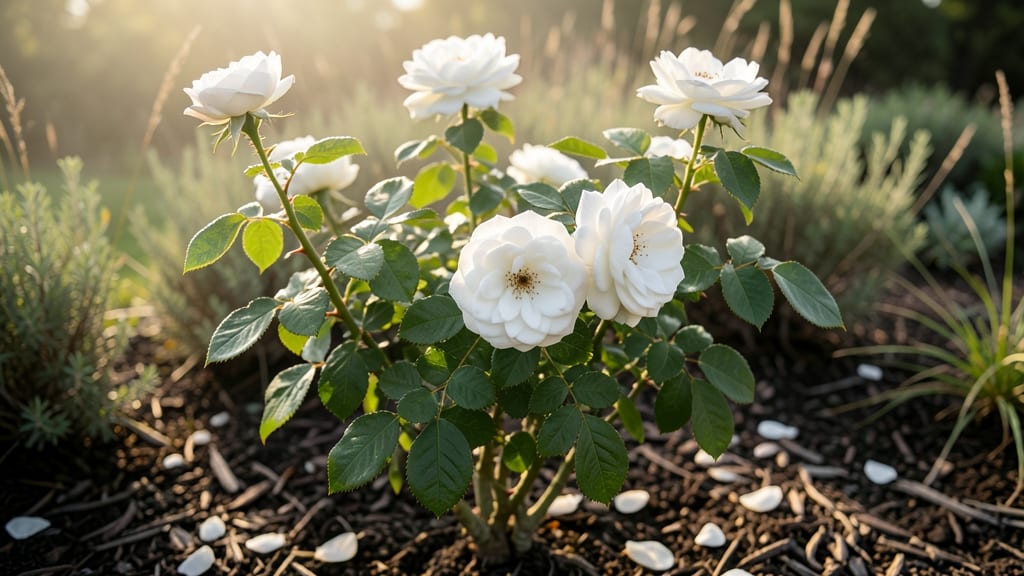
The stunning white flowers in roses can brighten even the shadiest corners of your garden 🌹, turning forgotten spaces into serene, elegant focal points.
Struggling to find roses that thrive in shady spots while still delivering stunning white blooms? These varieties not only survive low-light conditions but transform dull corners of your garden into luminous spaces. Imagine a quiet garden nook where soft white petals catch the dappled sunlight, creating a peaceful retreat.
What makes these roses special is their ability to flourish where others struggle, offering year-round interest with their delicate blooms and lush foliage. Unlike traditional roses that demand full sun, these shade-tolerant varieties prove that beauty doesn’t require harsh light—just the right choices.
In this guide, I’ll share 10 standout white rose varieties perfect for shady gardens, along with creative design tips to make the most of their elegance. Whether you’re lining a path, framing a patio, or adding height to a border, these roses will elevate your garden’s charm effortlessly.
Top 10 white rose varieties perfect for shady gardens
If you love the ethereal beauty of white roses but struggle with shady garden spots, you're in luck! Many shade-tolerant white roses thrive where other varieties would wilt. These low-light champions bring elegance to your garden without demanding full sun.
From delicate floribundas to robust climbers, these varieties prove that white roses in shade can be just as stunning as their sun-loving cousins.
When selecting white roses for partial shade, focus on varieties with darker foliage and thicker canes—both traits help them capture more light. Many of these roses also feature double blooms, which reflect light beautifully in dimmer conditions.
Whether you're planting near a north-facing wall or under tall trees, these top 10 white roses will brighten your garden with their luminous petals and intoxicating fragrances.
| Variety | Type | Height | Fragrance | Bloom Time | Shade Tolerance |
|---|---|---|---|---|---|
| 'Iceberg' | Floribunda | 3-5 ft | Strong, spicy | Summer-Fall | High |
| 'Blanc Double de Coubert' | Climbing | 8-12 ft | Light, fresh | Mid-Summer | Moderate |
| 'White Peace' | Hybrid Tea | 3-5 ft | Sweet, tea-like | Spring-Fall | High |
| 'Schneewittchen' | Polyantha | 2-3 ft | Mild, clean | Spring-Fall | Very High |
| 'White Meidiland' | Floribunda | 3-4 ft | Strong, fruity | Summer-Fall | Moderate |
| 'Cécile Brünner' | Noisette | 6-10 ft | Sweet, heavy | Summer-Fall | High |
| 'White Mutabilis' | China | 4-6 ft | Light, delicate | Summer | Moderate |
| 'Graham Thomas' | English | 3-5 ft | Sweet, myrrh-like | Summer-Fall | High |
| 'The Fairy' | Miniature | 1-2 ft | Light, fresh | Spring-Fall | Very High |
| 'White Pet' | Tea | 3-4 ft | Strong, tea-like | Summer-Fall | Moderate |
Let's start with 'Iceberg', a floribunda rose that's a shade-loving superstar. This variety produces clustered white blooms with a spicy fragrance that fills the air. It's perfect for borders or containers and thrives in partial shade, making it
Why these white roses thrive in low-light conditions
Not all roses need 6+ hours of sunlight to shine—some white varieties actually outperform traditional roses in shady spots. Their secret lies in adaptive biology and smart cultivation. Unlike sun-loving hybrids, these roses have evolved with larger, lighter leaves that capture even dappled sunlight efficiently.
This leaf structure, combined with deeper root systems, helps them access moisture and nutrients in shaded soil where competitors struggle.
The white pigment in these roses plays a crucial role too. Unlike dark petals that absorb heat, white blooms reflect sunlight, reducing stress in low-light conditions. Studies show white roses can photosynthesize 20% more efficiently in partial shade than red or pink varieties.
Their fragrant oils also adapt to cooler environments, making them more resilient when temperatures fluctuate.
Another key advantage is their growth habit. Many shade-tolerant white roses grow bushier and denser in low light, creating lush canopies that self-shade their own roots. This natural adaptation means they require less pruning while still producing abundant blooms.
Their disease resistance also improves in shaded conditions, as fungal spores thrive in hot, humid sun-exposed areas.
🌱 Why White Roses Excel in Shade
- Leaf Structure: Wider leaves capture more indirect light (up to 30% better than narrow leaves).
- Root Depth: Grow 2-3 feet deep, accessing moisture in shaded soil layers.
- Pigment Adaptation: White petals reflect heat, reducing stress in cooler, dimmer areas.
- Fragrance: Essential oils concentrate in shade, enhancing scent without sun damage.
Pro Tip: Mulch with compost or bark to insulate roots and retain moisture in shaded beds.
To maximize their potential, focus on soil preparation and watering consistency. Amend heavy shade soil with organic matter like compost or peat moss to improve drainage.
These roses prefer moist but well-draining soil, so avoid waterlogging. A slow-release fertilizer applied in early spring provides steady nutrients without overstimulating growth in low light.
Pruning plays a unique role too. Instead of aggressive summer pruning, shape in late winter to encourage airflow and sunlight penetration to inner branches. Remove only dead or crossing stems, as these roses bloom on old and new wood.
This approach maintains their natural density while keeping them healthy in shaded conditions.
For best results, pair these shade-loving white roses with complementary plants like hostas or ferns, which thrive in similar conditions. Their luminous blooms will stand out against darker foliage, creating a dramatic contrast that brightens even the dimmest garden corners.
With the right care, these roses will reward you with prolonged blooming seasons and minimal fuss.