
Vegetables
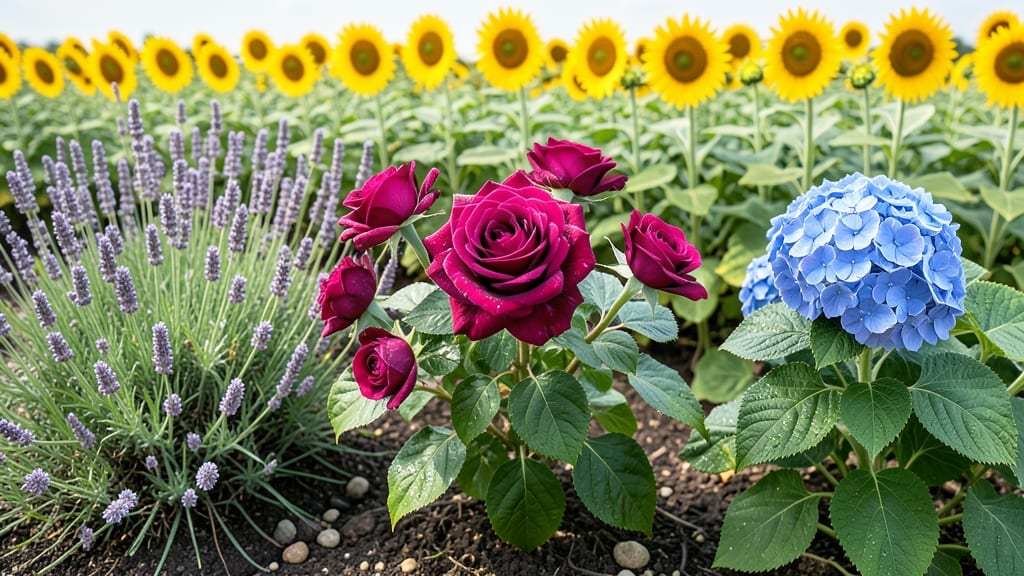
The best gardens in the USA prove that every landscape—from sun-drenched coastlines to misty mountain slopes—can become a living masterpiece. 🌿 I've visited gardens where towering sunflowers frame rustic stone walls, where native wildflowers dance in the breeze, and where meticulously pruned topiaries create art in the landscape.
These spaces aren't just pretty; they're working ecosystems that inspire even the smallest backyard plot.
What makes these gardens truly special isn't just their beauty, but how they blend form and function. Take the Longwood Gardens in Pennsylvania, where dramatic waterfalls feed into reflective pools surrounded by vibrant perennials, or the South Carolina Botanical Garden, where native plants thrive in climate-appropriate designs.
Each garden tells a story through its plant choices—whether it's a cottage-style herb garden overflowing with lavender or a modern geometric layout of boxwood hedges.
You'll find inspiration in their techniques too: raised beds that improve drainage, companion planting that keeps pests at bay, and seasonal color rotations that keep the garden lively year-round. The best part? Many of these gardens offer free or low-cost public days, letting you study their layouts firsthand.
Whether you're dreaming of a coastal garden filled with salt-tolerant grasses or a mountain retreat with hardy perennials, these real-world examples prove that great gardens begin with a single well-chosen plant.
Start small—maybe with a single themed bed or a native plant collection—and let these iconic gardens guide your own creative journey. The key is to begin where you are, with what you have, and watch how even a modest space can transform into something extraordinary.
📚 In This Guide
- What you need
- Instructions
- Tips and common mistakes
- Wrapping up and next steps
What you need
- ● Soil: 10–20 bags (40 lbs each) of high-quality garden soil or potting mix (adjust based on garden size). For coastal areas, opt for sandy loam; for mountains, use well-draining compost.
- ● Seeds/Seedlings: Vegetable seeds (e.g., tomatoes, peppers, carrots) – 50–100 seeds per variety (or 10–20 seedlings).
- ● Herbs (basil, cilantro, rosemary) – 10–15 plants.
- ● Flowers (marigolds, nasturtiums) – 20–30 plants (for pollinators!).
- ● Fertilizer: 1–2 bags of organic compost or slow-release granular fertilizer (e.g., 10-10-10 NPK ratio).
- ● Mulch: 5–10 bags of straw, wood chips, or shredded leaves (3–4 inches thick).
- ● Watering Supplies: Hose with adjustable nozzle ($15–$30).
- ● Watering can (2–5 gallons) for delicate plants.
- ○ Drip irrigation kit (optional but recommended for efficiency).
- ● Basic Tools: Trowel ($5–$10) – for planting small seeds.
- ● Garden fork ($15–$25) – for turning soil.
- ● Pruners ($10–$20) – for trimming and harvesting.
- ● Garden gloves ($5–$15) – to protect your hands!
- ○ Optional (But Helpful!): Wheelbarrow ($50–$100) – for hauling soil/mulch.
- ● Kneeling pad ($10–$20) – for comfort during long planting sessions.
- ● Soil pH tester ($10–$15) – to ensure optimal growing conditions.
- ● Trellis or stakes ($5–$15) – for climbing plants like beans or cucumbers.
- ● Location: Choose a spot with 6–8 hours of sunlight daily (adjust for shade-loving plants like lettuce). Test your soil’s drainage—water should drain within 1–2 hours.
- ● Climate Considerations: Coastal: Windbreaks (e.g., bamboo fencing) may be needed.
- ● Mountain: Extend the growing season with row covers or a cold frame.
- ● Desert: Use drip irrigation to conserve water.
- ● 💡 Pro Tip: Start with easy-to-grow veggies like lettuce, radishes, or green beans if you’re a beginner!
- ● ✨ Bonus: Add a compost bin ($20–$50) to recycle kitchen scraps into nutrient-rich soil.
Step-by-Step guide to designing your own bountiful garden
Transform any space into a thriving garden with these expert techniques.
🌱 Step 1: Assess Your Site's Unique Climate and Sunlight
Start by mapping your garden's sunlight patterns—most plants need 6-8 hours of direct sun daily, but coastal gardens handle more humidity while mountain oases thrive with cooler, drier air. I always stake flags at key locations to track sun exposure for 24 hours before planting. Use a sunlight chart to match plants to zones.
Notice how morning sun warms differently than afternoon heat. Coastal gardens often need shade cloth to prevent leaf scorch, while inland areas may require windbreaks. Take notes on microclimates—your shady corner might actually get 3 hours of dappled light, perfect for shade-tolerant herbs like cilantro or parsley.
🌿 Step 2: Layer Plants by Height and Function
Begin with tall, structural plants like sunflowers or hollyhocks at the back, then add mid-height shrubs such as rosemary or lavender, and finish with low-growing ground covers like thyme or creeping phlox. This creates visual depth and maximizes growing space. I always sketch my design first—it saves time and prevents costly mistakes.
Group plants with similar water needs together to simplify irrigation. For example, Mediterranean herbs (rosemary, oregano) thrive with minimal watering, while leafy greens need consistent moisture. Add mulch after planting to retain soil moisture and suppress weeds—2-3 inches of organic mulch works best.
☀️ Step 3: Optimize Soil for Local Conditions
Test your soil's pH and nutrient levels—most vegetables prefer 6.0-7.0 pH, while blueberries need 4.5-5.5. Amend clay-heavy soil with compost or sand to improve drainage, while sandy soil benefits from peat moss or coconut coir to retain moisture. I always mix in aged compost to boost organic matter.
For coastal gardens, focus on improving drainage to prevent salt buildup, while mountain gardens often need extra organic matter to retain nutrients. Add a slow-release fertilizer at planting time for a nutrient boost—just follow package instructions to avoid overfeeding.
💧 Step 4: Implement Smart Watering Systems
Install drip irrigation or soaker hoses to deliver water directly to roots, reducing evaporation and weed growth. Set timers for early morning watering to minimize disease risk. I use a rain gauge to track precipitation—adjust watering schedules based on real rainfall data.
Mulch heavily around plants to lock in moisture and regulate soil temperature. In hot climates, mulch keeps roots cool; in cooler areas, it traps heat. Check soil moisture by sticking your finger 1-2 inches deep—water when it feels dry. Overwatering is a common mistake—most plants prefer slightly dry soil over soggy roots.
✂️ Step 5: Maintain and Adapt Through the Seasons
Prune regularly to encourage bushier growth and remove dead or diseased foliage immediately. I always sterilize pruners with rubbing alcohol between cuts to prevent spreading pathogens. Harvest frequently to stimulate production—picking herbs and veggies at the right time ensures a continuous supply.
Adjust care as seasons change: reduce watering in winter, add shade in summer, and protect tender plants from late frosts. Keep a garden journal to track what works and what doesn’t—note plant performance, pest issues, and weather patterns. This helps refine your approach year after year.
Tips & tricks for perfecting your bountiful garden design
These game-changing insights will help you create a thriving garden that thrives in any American climate—coastal, mountain, or everything in between.
Microclimate Mastery: The 24-hour sunlight tracking in Step 1 is your secret weapon. I've found that coastal gardens often need shade cloth during peak afternoon hours to prevent leaf burn, while mountain gardens benefit from windbreaks to protect tender plants. For that shady corner with 3 hours of dappled light, consider shade-loving perennials like hostas or astilbes that will reward you with stunning foliage and minimal fuss.
Design Blueprint: Before you dig, sketch your garden layout to scale using graph paper. This simple step prevents costly mistakes by helping you visualize plant heights and spacing. I always mark sun exposure patterns directly on my sketch—it's amazing how this prevents overcrowding and ensures every plant gets its ideal growing conditions. Pro tip: Use colored pencils to differentiate plant types!
Soil Science: When testing your soil's pH in Step 3, remember that most vegetables thrive between 6.0-7.0, but acid-loving plants like blueberries need that 4.5-5.5 range. For coastal gardens, consider adding gypsum to improve drainage, while mountain gardens often benefit from extra compost to retain nutrients in lean soils. I've seen gardens transform dramatically after just one season of proper soil amendment!
Watering Wisdom: The early morning watering schedule in Step 4 isn't just about timing—it's about efficiency. I recommend installing a rain gauge to track precipitation so you can adjust your automatic systems. A great trick is to use recycled water from your shower or sink for non-edible plants, saving fresh water for your vegetables. And remember: that 1-2 inch soil moisture check is your best friend for preventing overwatering.
Pro Tips for Best Gardens In Usa
- These game-changing insights will help you create a thriving garden that thrives in any American climate—coastal, mountain, or everything in between.
- Microclimate Mastery: The 24-hour sunlight tracking in Step 1 is your secret weapon.
- Design Blueprint: Before you dig, sketch your garden layout to scale using graph paper.
Frequently asked questions
Exploring the best gardens in the USA can spark curiosity—and questions! Here are answers to some of the most common inquiries to help you plan your visit or even design your own green oasis.
What’s the best time of year to visit these gardens?
The ideal time depends on the garden’s location and climate. Coastal gardens like Longwood Gardens in Pennsylvania bloom beautifully in spring (March–May) and fall (September–November), while desert gardens such as Desert Botanical Garden in Arizona shine year-round but are most vibrant in spring. Mountain gardens like Denver Botanic Gardens offer stunning fall foliage (September–October) and alpine blooms in summer (June–August). Check each garden’s website for seasonal highlights!
Are there any free or low-cost garden tours?
Many iconic gardens offer free admission on specific days or during community events. For example:
- New York Botanical Garden: Free admission on select Sundays (check their calendar).
- Chicago Botanic Garden: Free for Illinois residents on certain days.
- Local public gardens: Many city parks (like Golden Gate Park Conservatory) have free entry.
Pro tip: Sign up for newsletters or follow gardens on social media for flash sales, student discounts, or partner discounts (e.g., AAA, military, or teacher rates).
How do I get to these gardens if I don’t have a car?
Most top gardens are accessible via public transit, rideshares, or guided tours. Here’s how to plan:
- Public transit: Gardens like Brooklyn Botanic Garden (NYC) are near subway stops, while San Francisco Botanical Garden has Muni bus access.
- Rideshares: Uber/Lyft are reliable in urban areas, but book ahead during peak seasons.
- Guided tours: Companies like Gray Line or Free Tours by Foot offer garden-focused excursions in cities like Boston or Seattle.
- Biking: Some gardens (e.g., Minneapolis’ Como Park Conservatory) are bike-friendly with rentals nearby.
Pro tip: Call ahead to confirm shuttle services—some rural gardens (like Biltmore Estate) offer free shuttles from nearby hotels!
Can I grow similar plants at home, or are these gardens too specialized?
Most gardens feature plants adaptable to home gardens—you just need to match your climate! For example:
- Coastal gardens: Try drought-tolerant succulents (like those in Strybing Arboretum) or camellias (common in Pacific Northwest gardens).
- Desert gardens: Yuccas, agave, and native wildflowers thrive with minimal water.
- Mountain gardens: Rhododendrons, heather, and hardy perennials (like those in Mount Rainier’s gardens) love cooler temps.
Pro tip: Visit the garden’s nursery or ask staff for region-specific plant lists—many offer mail-order seeds or starter plants!
What should I do if a garden is closed or has limited access?
Don’t let closures dampen your green dreams! Try these alternatives:
- Virtual tours: Many gardens (e.g., Keukenhof in Holland, Michigan) offer 360° online tours or YouTube walks.
- Local botanical societies: Check if nearby universities or arboretums host open days.
- Community gardens: Join a local plot (find one via American Community Gardening Association) for hands-on learning.
- Seed swaps: Attend events to trade plants and tips—even in winter!
Pro tip: Follow gardens on Instagram or Facebook for real-time updates on reopenings, pop-up events, or “secret garden” days for members.
Wrapping up and next steps
From the sun-drenched citrus groves of California to the whimsical cottage gardens of New England and the sustainable urban oases of Chicago, America’s gardens prove that beauty and bounty go hand in hand. 🌱 Whether you’re a seasoned green thumb or a curious beginner, these top picks inspire you to cultivate your own slice of paradise—one seed at a time!
Ready to turn your vision into reality? Start small: visit a nearby garden, sketch your dream layout, or even adopt a community plot. The best harvests begin with a single step—and your garden’s waiting! 🌿