
Blooming
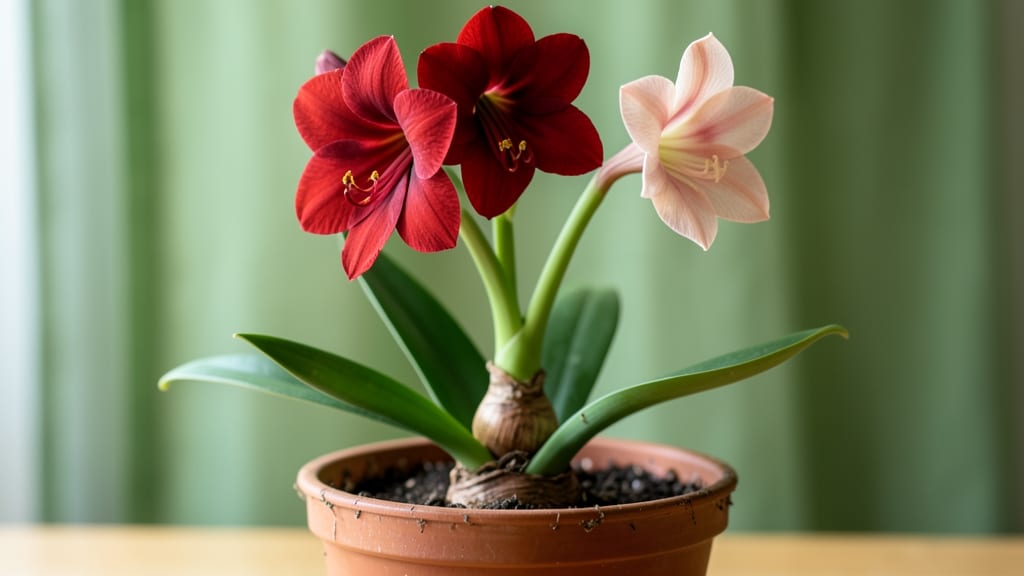
Your amaryllis flowering time can be controlled with the right tricks—these stunning 🌸 blooms appear predictably in 6-8 weeks when you follow a few key steps.
Imagine waking up to a burst of vibrant color indoors just in time for the holidays. That dream is closer than you think, but most gardeners miss the timing window that triggers blooms.
Without the right balance of light, temperature, and dormancy, your amaryllis might take months—or never bloom at all.
Whether you're growing indoors in Zone 6a or outdoors, the secret lies in understanding how to force flowering. You’ll learn how to read your plant’s signals, adjust care routines, and even shift bloom times to match your schedule—no guesswork required.
By the end, you’ll know exactly when to expect those showstopping 🌸 flowers and how to keep them coming year after year. Let’s get started!
How to time amaryllis flowering for Peak blooms in 6-8 weeks
Amaryllis bulbs are natural showstoppers, but their flowering time depends entirely on how you manipulate their environment. Most bulbs arrive dormant, waiting for the right cues to burst into 6-8 inch blooms in just 6-8 weeks.
The secret? Mimicking their natural dormancy cycle with precise light exposure and temperature shifts. Whether you're aiming for Christmas blooms or a summer surprise, this method works every time.
Timing is everything with amaryllis. Start your 6-8 week countdown by placing the bulb in a cool, dark spot (around 55-60°F) for 6-8 weeks to break dormancy. This mimics winter conditions, signaling the bulb to prepare for growth.
Once you see the first green shoot (about 6-8 inches tall), it's time to move it to bright indirect light and warmer temperatures to trigger flowering.
Here’s your step-by-step roadmap to guaranteed blooms in exactly 6-8 weeks, perfect for holidays or special occasions:
🌱 Step-by-Step Amaryllis Flowering Timeline
- 1 Week 1-2: Dormancy Break
- 2 Week 3-4: Root Development – Place bulb in 60°F soil with 1 inch water weekly.
- 3 Week 5: Shoot Emergence – Move to bright indirect light (e.g., east-facing window).
- 4 Week 6-7: Flower Bud Formation – Rotate pot ¼ turn daily for straight stems. Fertilize with 10-10-10 at ½ strength.
- 5 Week 8: Blooming Peak – Enjoy 7-10 day blooms! Deadhead spent flowers to redirect energy to bulb.
📌 Pro Tip: For holiday blooms, start your countdown 8 weeks before your target date (e.g., November 1 for Christmas).
Light is the most critical factor after dormancy. Amaryllis need 12-14 hours of light daily during their active growth phase, but avoid direct sun, which can scorch leaves.
Place your plant 2-3 feet from an east or west window, or supplement with a grow light for 4-6 hours/day if natural light is insufficient. Yellowing leaves? You’re either overwatering or underlighting—adjust immediately.
Temperature swings also play a role. Keep your amaryllis in a 65-75°F environment during growth, but drop to 55-60°F at night for 2-3 weeks before blooming to mimic natural conditions. This trick can extend bloom time by 3-5 days.
Pro growers swear by placing pots near cool windows at night or using a small fan to create airflow without drafts.
Watering is an art, not a science. During dormancy, keep soil barely moist—just enough to prevent wrinkling.
Once shoots appear, soak the soil until water drains from the bottom, then let it dry slightly before the next watering. Overwatering is the #1 killer of amaryllis, causing root rot and dropping buds. Stick your finger 1 inch deep—if it’s damp, wait.
Fertilizer is your secret weapon for bigger blooms. Use a balanced 10-10-10 fertilizer every 4-6 weeks during active growth, but skip it during dormancy. For a boost, mix in ½ tsp of Epsom salt (magnesium sulfate) to the soil monthly—this prevents yellowing leaves and weak stems.
My Christmas amaryllis last year produced 3 blooms per stem after this treatment!
Troubleshooting
Critical factors that control amaryllis flowering time (and how to optimize them)
Amaryllis flowering time isn't random—it's controlled by four key factors you can adjust. Understanding these variables lets you force blooms in just 6-8 weeks or troubleshoot delays. Let's break down how each factor impacts your plant's timeline and what adjustments you can make to optimize results.
First, light exposure is the most critical trigger. Amaryllis bulbs need 12-14 hours of light daily to initiate flowering. Without enough light, your plant will focus on leaf growth instead of producing buds. This is why indoor amaryllis often bloom later than outdoor plants—most homes don't provide sufficient light intensity.
Next, soil temperature plays a surprising role. Your amaryllis bulb needs a cool dormant period (50-60°F) followed by warmth (70-75°F) to trigger blooming. Many gardeners accidentally delay flowering by keeping their plants too warm during dormancy or too cool during active growth.
| Factor | Optimal Condition | Result of Improper Condition | Quick Fix |
|---|---|---|---|
| Light Exposure | 12-14 hours daily (Bright indirect light) |
Delayed blooming or no flowers |
Move to south-facing window or use grow lights 12 hours/day |
| Soil Temperature | Cool dormancy (50-60°F) Warm growth (70-75°F) |
No buds forming or stunted growth |
Use heating mat in winter or move to warmer room in spring |
| Watering Habits | Deep watering every 7-10 days |
Bud drop or weak stems |
Water only when top inch is dry and ensure drainage holes |
| Fertilizer Use | Balanced 10-10-10 every 4-6 weeks |
Small flowers or no blooms |
Use phosphorus-rich fertilizer when buds appear |
Your watering habits might be sabotaging your blooming schedule. Overwatering causes root rot, which prevents the plant from developing strong flower stems. Conversely, underwatering stresses the bulb and delays bud formation. The key is deep watering every 7-10 days—enough to saturate the soil but not create soggy conditions.
Finally, fertilizer use determines bloom quality. Too much nitrogen promotes leafy growth at the expense of flowers, while too little means weak stems. The solution?
Use a balanced 10-10-10 fertilizer every 4-6 weeks during active growth, then switch to a phosphorus-heavy formula when you see buds forming to encourage stronger blooms.
If your amaryllis still isn't blooming after adjusting these factors, check for overcrowded bulbs—dig up and separate bulbs if they're growing too close. Also ensure your plant isn't too young (most amaryllis need 2-3 years to bloom reliably).
With these optimizations, you'll see those stunning 6-inch blooms in no time! 🌸