
Vegetables
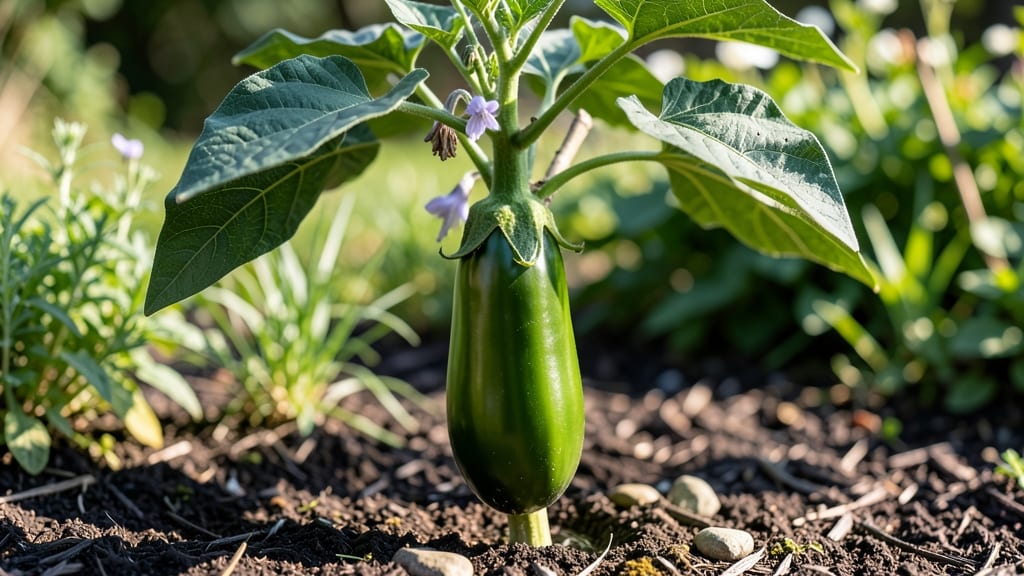
Growing apple green eggplant means you’ll get two harvests—tender leaves and glossy purple fruit—from one cold-hardy perennial. 🌱 I’ve watched mine survive winters in zone 5, then burst into growth by May, proving this isn’t your typical finicky summer crop. The key?
Planting early, protecting young plants from late frosts, and giving them room to sprawl. This variety thrives in partial shade, making it perfect for understory gardens or areas where full sun would scorch other eggplants.
Well-draining soil rich in organic matter keeps roots happy, and consistent moisture prevents the fruit from turning bitter. Unlike annual eggplants, these plants reward patience—year after year—with minimal fuss. By midsummer, you’ll snip young leaves for salads and harvest small, sweet fruit that’s milder than store-bought varieties.
The plants handle pests better too, with fewer issues than their tropical cousins. Just watch for Japanese beetles—they adore these leaves! Start with cuttings in early spring or divide established plants. Even beginners can nail this—just don’t crowd them. The first harvest will have you hooked for life.
📚 In This Guide
- What you need
- Instructions
- Tips and common mistakes
- Wrapping up and next steps
What you need
- ● Seeds or seedlings: Solanum integrifolium (apple green eggplant) – 5-10 seeds (or 2-3 seedlings if starting with plants).
- ● Well-draining soil: Mix 60% potting soil with 30% compost and 10% perlite or sand for optimal aeration.
- ● Containers or garden bed: For containers: 5-gallon pots (minimum) with drainage holes.
- ● For in-ground planting: Full sun (6+ hours/day) and 12-18 inches of spacing between plants.
- ● Fertilizer: Balanced organic fertilizer (e.g., 10-10-10) or compost tea for nutrient boost.
- ● Mulch: Straw or shredded leaves to retain moisture and suppress weeds.
- ● Hand trowel or small shovel for planting.
- ● Watering can or hose with gentle spray (avoid overwatering).
- ● Pruning shears (for trimming leaves/fruit as needed).
- ● Row cover or frost cloth (if extending the growing season in cooler climates).
- ● pH test kit (ideal soil pH: 6.0-6.8).
- ● Garden gloves (for handling prickly stems).
Step-by-step instructions for growing apple green eggplant
This cold-hardy perennial thrives where most eggplants fail—let’s get it planted right.
🌱 Step 1: Choose the Perfect Location and Soil
Apple Green Eggplant loves full sun (at least 6-8 hours daily) but tolerates partial shade in hot climates. I always pick a spot with afternoon shade if temperatures hit 90°F+. The soil must drain well—these plants rot easily if their roots sit wet.
Amend heavy clay with 2-3 inches of compost to loosen the soil. A pH between 6.0-7.0 works best. Test your soil if possible; you’ll see better growth when the plant’s needs match the conditions. This is the moment that matters: skip the soil prep, and your plant will struggle from day one.
🌱 Step 2: Plant Transplants or Start Seeds Indoors
Since Apple Green Eggplant is perennial in zones 5-10, I start seeds indoors 8-10 weeks before last frost for a head start. Use biodegradable pots to avoid root disturbance. Plant seeds ¼ inch deep in warm soil (70-80°F), and keep them moist until germination (7-14 days).
If buying transplants, harden off seedlings for 7-10 days before moving them outside. You’ll notice the first true leaves appear—wait until you see 3-4 sets of leaves before transplanting. This ensures the plant has enough energy to handle the shock of relocation.
☀️ Step 3: Space Plants Properly and Mulch
Give each plant 2-3 feet of space—crowding leads to weak stems and poor fruit production. Dig a hole twice as wide as the root ball but no deeper. Place the plant so the top of the roots sits just below soil level—burying too deep suffocates the stem.
Mulch with 2-3 inches of straw or wood chips to retain moisture and regulate soil temperature. This is the thing—mulch prevents soil-borne diseases by keeping leaves dry. Water deeply after planting, but don’t overdo it; soggy soil invites rot.
💧 Step 4: Water and Fertilize for Strong Growth
Water at the base of the plant (never overhead) to avoid fungal diseases. Aim for 1-1.5 inches of water weekly, adjusting for rain. You’ll see wilting in hot afternoons—that’s normal, but the plant should perk up by evening if moisture is right.
Feed with a balanced organic fertilizer (10-10-10) every 4-6 weeks during the growing season. Stop fertilizing 6 weeks before first frost to let the plant harden off. This prevents tender new growth from freezing.
✂️ Step 5: Harvest Leaves and Fruit at Peak
Young leaves are edible and ready 4-6 weeks after planting. Harvest them by snipping just above a leaf node to encourage bushier growth. The fruit takes longer—60-90 days—but you’ll know it’s ripe when the skin turns deep purple-green and feels slightly soft.
Don’t wait too long; overripe fruit gets seedy and loses flavor. I always pick in the morning when temperatures are coolest—this preserves the fruit’s texture and taste. Store harvested leaves in the fridge for 3-5 days or freeze them for later use.
Tips & tricks for perfect apple green eggplant cultivation
These practical insights will help you coax the best from your cold-hardy perennial—without the common growing headaches.
Location Intelligence: That 6-8 hours of daily sun is non-negotiable, but here's the trick: position your plants where they get morning sun and afternoon shade if your area hits 90°F+. I've seen plants in full afternoon sun wilt dramatically by midday—it's not worth the risk. For zones 5-10, this positioning makes all the difference in fruit production.
Soil Prep Secret: When amending heavy clay with 2-3 inches of compost, mix in a handful of perlite or coarse sand to improve drainage. I've learned this the hard way—waterlogged roots lead to rot, and there's no saving a plant once that happens. Test your soil pH before planting; if it's outside 6.0-7.0, adjust with lime (to raise) or sulfur (to lower) before planting.
Seed Starting Strategy: For those starting seeds indoors 8-10 weeks before last frost, use a heat mat to maintain that 70-80°F soil temperature—germination happens faster and more uniformly. I place my seed trays on a heating pad set to "low" and cover them with plastic wrap to create a mini greenhouse effect. This cuts germination time from 14 days to about 7-10 days.
Harvest Timing: Those 4-6 weeks for leaf harvest might seem fast, but here's what nobody tells you—you can actually start harvesting leaves as soon as you see 3-4 sets of true leaves, about 3-4 weeks in. Just take a few leaves at a time to keep the plant growing. For fruit, watch for that deep purple-green color and slight softness—it's the plant's way of saying "pick me now!"
Pro Tips for Apple Green Eggplant
- These practical insights will help you coax the best from your cold-hardy perennial—without the common growing headac...
- Location Intelligence: That 6-8 hours of daily sun is non-negotiable, but here's the trick: position your plants wher...
- Soil Prep Secret: When amending heavy clay with 2-3 inches of compost, mix in a handful of perlite or coarse sand to ...
Frequently asked questions
How cold-hardy is apple green eggplant, really?
The apple green eggplant (Solanum melongena var. esculentum) is one of the toughest eggplants out there! It thrives in USDA Zones 8–11 and can survive light frosts down to 25°F (-4°C) if mulched well. In colder zones, grow it in containers and bring it indoors during winter. Pro tip: Start seeds early—it’s a slow grower!
How long does it take for apple green eggplant to produce fruit?
Patience is key! From seed, expect 80–120 days to harvest, depending on climate. If you’re transplanting seedlings, fruit may appear in 60–90 days. Apple green eggplant is a perennial, so it’ll reward you with fruit year after year if winter-protected. First-year plants often focus on leaf growth before fruiting.
Are the leaves and fruit both edible? How do they taste?
Yes! Both are edible and packed with flavor. The leaves have a mild, spinach-like taste (cook them like greens) and are high in iron and calcium. The fruit—small, green, and apple-shaped—tastes like a cross between eggplant and tomato, with a sweet, slightly tangy flavor. Try it raw in salads or roasted!
What’s the best way to propagate apple green eggplant?
This plant spreads easily! Seed propagation is the most reliable method—start indoors 8–10 weeks before last frost. For perennial growth, divide mature plants in spring or take stem cuttings (root in water or soil). Warning: Avoid overcrowding—space plants 2–3 feet apart to prevent disease.
What pests or diseases should I watch for?
Common issues include aphids, spider mites, and whiteflies (spray with neem oil). Fungal diseases like powdery mildew thrive in humidity—improve airflow and avoid overhead watering. Blossom end rot (from calcium deficiency) can affect fruit; amend soil with crushed eggshells or lime if needed. Healthy soil = happy plants!
Can I grow apple green eggplant in containers?
Use a 5-gallon pot or larger with well-draining soil. Ensure it gets 6+ hours of sunlight daily and water consistently (containers dry out faster). Bonus: Container-growing makes it easier to overwinter indoors in cold climates. Choose a pot with drainage holes to prevent root rot.
Wrapping up and next steps
Growing apple green eggplant is a rewarding journey that brings unique flavors and cold-hardy benefits to your garden. Whether you're harvesting tender leaves, vibrant fruit, or even experimenting with its edible flowers, this versatile plant proves that growing unusual doesn’t mean difficult.
With the right care, you’ll enjoy a thriving perennial that keeps giving year after year.
Ready to dive in? Start by gathering your supplies, choosing the perfect spot, and planting with confidence. Your edible adventure begins now—happy growing! 🌱✨