
Blooming
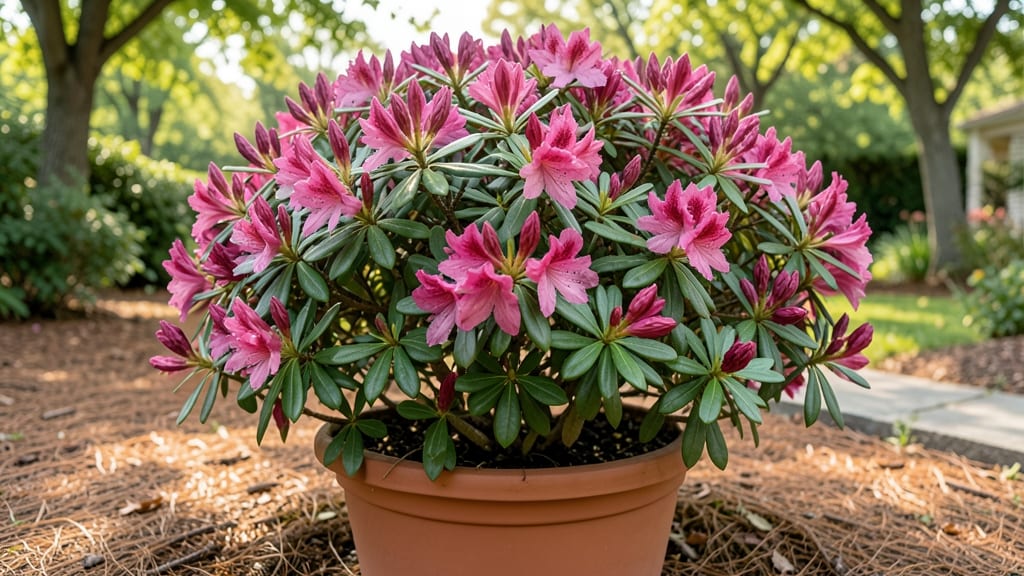
Azaleas flower in their best flowering time in early spring 🌸, but their blooms often fade faster than you’d like—unless you know the tricks to stretch them.
Picture this: your azalea’s vibrant display waning by late May, when you’d love another month of color. The secret? Pruning at the right moment and avoiding common mistakes that cut blooms short.
With the right timing, you can extend that flowering time by 6 weeks or more, turning a fleeting show into a garden highlight.
In this guide, I’ll break down when azaleas typically bloom—from early spring varieties to late-season hybrids—and how to time your pruning for maximum impact. Whether you’re in USDA Zone 6 or further south, these tips will help you keep your azaleas in peak bloom longer.
You’ll also discover the best varieties for prolonged flowering, plus care adjustments that make a real difference. Ready to transform your azalea’s blooming season?
When do azaleas bloom? Understanding flowering time by variety
Azaleas are famous for their show-stopping spring blooms, but their flowering time varies wildly depending on the variety and climate. Some burst into color as early as late winter, while others wait until late spring.
Understanding these differences helps you time pruning and care for maximum impact. In USDA Zones 6-9, most azaleas bloom between March and June, but regional microclimates can shift this window by 4-6 weeks.
Early bloomers like Kurume azaleas often appear in February or March, especially in Southern climates, while Evergreen azaleas may wait until April or May. Fall-blooming varieties, such as Enkianthus, offer a second chance for color in September or October.
Knowing your azalea’s type is the first step to predicting and extending its flowering season.
Here’s a quick bloom calendar to help you plan. Northern gardeners (Zones 6-7) typically see azaleas bloom 2-4 weeks later than Southern gardeners (Zones 8-9). For example, a Georgia azalea might bloom in March, while the same variety in New York may wait until late April.
This timing also affects when you should prune for next year’s flowers—a critical step for prolonging blooms.
🌸
If you’re in the Southern Hemisphere, flip this calendar! Azaleas bloom in opposite seasons, with peak flowering often occurring from September to November.
For example, a Kurume azalea in Australia (Zone 9) might bloom in October, while the same variety in Georgia (Zone 8) would bloom in March. This shift is crucial for timing pruning and fertilizing correctly.
Identifying your azalea’s peak bloom period is key to optimal pruning. Most azaleas bloom on old wood, meaning last year’s growth produces this year’s flowers. Pruning too early can remove next year’s buds, while waiting too long may miss the best shaping window.
For Kurume azaleas, prune 4-6 weeks after blooming, while Evergreen azaleas can handle light pruning right after flowering.
Microclimates also play a huge role. A coastal garden in California (Zone 9) might see azaleas bloom in January, while an inland Arizona garden (Zone 9) could delay blooms until March due to hotter, drier conditions.
To extend flowering time, ensure your azaleas get morning sun and afternoon shade, consistent moisture, and acidic soil (pH 4.5-5.5). These conditions help stress-free growth, which directly impacts bloom duration.
For longer-lasting blooms, avoid over-fertilizing with high-nitrogen products, which encourage leafy growth over flowers. Instead, use a balanced or acid-loving fertilizer in early spring and fall. This approach ensures your azaleas focus energy on producing buds and blooms rather than just foliage.
Pair this with regular mulching to retain moisture and protect roots from temperature swings.
🌿
Pro tip: Deadhead spent blooms (remove faded flowers) to encourage new flower production and prevent seed formation, which can shorten the blooming season. However, avoid heavy pruning—stick to light shaping to maintain the shrub’s natural form.
If your azalea’s blooms drop too quickly, it may be stressed from poor soil, drought, or pests. Addressing these issues can revive vigor and extend flowering for next season.
🪴
Step-by-step pruning guide to extend azalea flowering time
Pruning azaleas isn't just about shaping your shrubs—it's a game-changer for extending flowering time. When done correctly, strategic pruning can delay flower drop by 4-6 weeks, giving you a longer show of those stunning blooms.
The key lies in understanding when and how to prune, as well as avoiding common mistakes that shorten the bloom season.
Most gardeners make the mistake of pruning at the wrong time, which can stimulate new growth that competes with existing flowers. Azaleas produce flower buds on old wood in late summer/fall, so timing is everything.
Let me walk you through the exact steps to maximize your azalea's flowering potential while keeping your shrubs healthy and vibrant.
⚠️ 3 Critical Mistakes That Shorten Azalea Flowering Time
1. Pruning in Spring Before Blooms Open – This removes next year's flower buds, cutting bloom time by 30-50%. Always wait until after flowers fade.
2. Over-Pruning (Removing >30% of Growth) – Stress from heavy pruning diverts energy away from blooming. Stick to light shaping (10-20%) for best results.
3. Using Dull or Dirty Tools – Jagged cuts invite disease, which weakens the plant and shortens flowering. Always use sterilized, sharp pruners.
🌿 Visual Warning: Look for yellowing leaves or sparse blooms—these are signs you've pruned at the wrong time!
For the best results, prune azaleas immediately after flowering, typically in late May to early June in most climates. This timing allows the plant to set new flower buds for next season while maintaining current blooms.
Start by removing dead or crossing branches first—they compete for nutrients and can shorten flowering time.
Next, focus on shaping for airflow. Thin out dense growth to reduce humidity inside the shrub, which helps prevent powdery mildew—a common issue that causes early flower drop.
Aim to open up the center by 20-30% while maintaining the natural shape. Use hand pruners for small branches and loppers for thicker stems over 1/2 inch.
One of my favorite techniques is the "third-branch" rule: Always cut back to a healthy outward-facing branch to encourage bushier growth. Avoid cutting into old wood (gray/brown stems), as this removes potential flower buds.
For container-grown azaleas, prune more aggressively to control size, but never remove more than 25% of the foliage in one session.
After pruning, give your azaleas a light fertilizer application with an acid-loving formula (12-4-8 NPK) to support new growth. Water deeply to help the plant recover, and mulch around the base with pine needles or bark to maintain soil acidity.
With these steps, you'll enjoy longer-lasting blooms and healthier shrubs year after year.