
Blooming
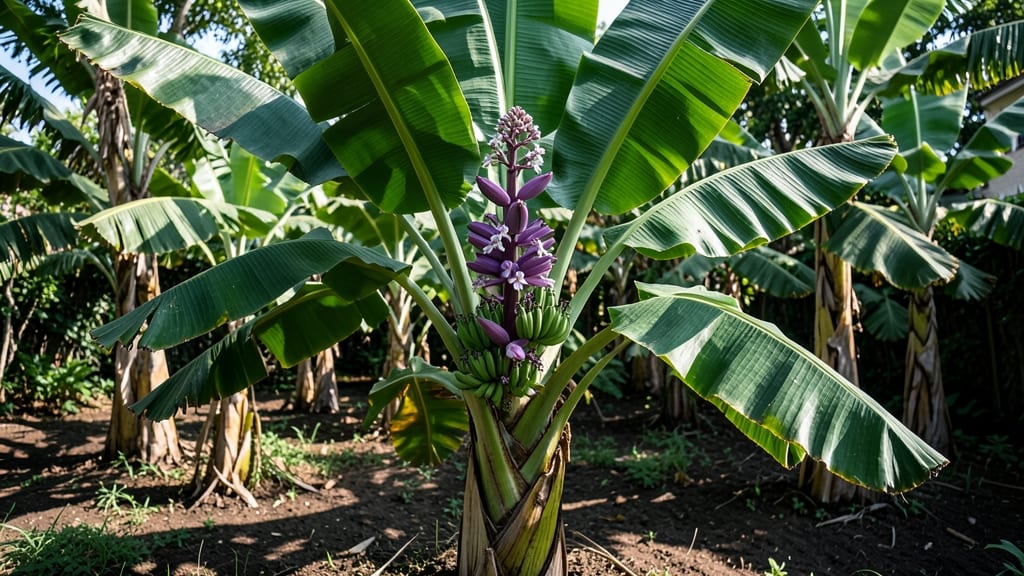
Recognizing the banana flowering stage is the key to unlocking a bountiful harvest 🍌 — and missing it means losing dozens of fruit bunches before they even form.
Did you know your banana plant’s next harvest depends on recognizing its flowering stage early? Those subtle changes in the pseudostem or the sudden appearance of a flower spike are your only warning that fruit development is about to begin.
One wrong move, and you could end up with a wasted growing season.
In this guide, I’ll walk you through the three unmistakable signs your banana is ready to flower, from the telltale swelling at the base to the first peek of the inflorescence. You’ll also learn how to adjust care—fertilizer, water, and even light—to support bigger, healthier fruit once that flower appears.
Whether you’re growing in a tropical paradise or a Zone 6+ greenhouse, these steps will help you maximize your harvest and avoid common mistakes that stall flowering entirely.
3 Unmistakable signs your banana plant is flowering (with photos)
Spotting a banana plant’s flowering stage can feel like uncovering a hidden treasure—because it means fruit is on the way! But many gardeners miss the early clues, assuming their plant is just growing taller.
The truth? Your banana’s next harvest depends on recognizing these 3 key signs before the flower emerges. Let’s break down what to watch for, so you don’t miss a single opportunity to grow those sweet, tropical treats.
First, know that banana plants don’t flower until they’re 10-18 months old and mature enough to support fruit production. But once they’re ready, the transformation is dramatic.
The pseudostem (that thick, false trunk) starts swelling, and within weeks, you’ll see a bright red or purple flower bract unfurling like a tropical umbrella. These visual cues are your green thumbs’ golden ticket to a bountiful harvest.
Here’s the catch: Stressed plants often mimic flowering signs—like yellowing leaves or stunted growth—but without the actual flower. That’s why distinguishing healthy flowering from distress is critical.
Let’s dive into the 3 unmistakable signs your banana is ready to bloom, complete with what to look for and what to avoid.
🌱 3 Signs Your Banana Plant Is Flowering
-
1️⃣ Pseudostem Swelling
The pseudostem (the thick, fibrous trunk) begins to bulge outward at the base, often splitting slightly. This signals the plant is redirecting energy to flower production.
-
2️⃣ Bract Emergence
A bright red or purple bract (modified leaf) unfurls from the center of the plant. This is the inflorescence’s protective covering—your first glimpse of the flower!
-
3️⃣ Inflorescence Growth
The flower spike grows rapidly, reaching 3-6 feet long and resembling a tropical candelabra. Small flowers bloom first, followed by fruit bunches within weeks.
Now, let’s talk about what these signs look like in action. The pseudostem swelling is your first clue—it’s like the plant’s way of saying, “I’m getting ready!” This happens when the plant shifts resources from leaf growth to flower development.
If you’ve been watching your banana’s height increase steadily, this sudden base expansion is a game-changer. It’s often accompanied by a slight softening of the pseudostem, which feels less rigid than before.
Next, the bract emergence is pure magic. That bright red or purple bract unfurling from the center of the plant is the inflorescence’s protective sheath. It’s not just a pretty sight—it’s a critical sign that the flower is about to bloom.
In tropical climates, this happens year-round, but in cooler zones, it’s often a spring or early summer event. If your bract looks dull or brown, your plant might be stressed from drought or pests.
The inflorescence growth is the pièce de résistance. Once the bract opens, you’ll see the flower spike shooting upward like a tropical firework. This stage is your cue to adjust care—more water, balanced fertilizer, and protection from wind.
The spike can grow up to 6 feet in just a few weeks, and within 2-3 months, those familiar banana bunches will form. But here’s the kicker: Not all flowering means fruit.
If the spike grows but no fruit bunches appear, your plant might be lacking pollination or nutrients.
Here’s how to distinguish healthy flowering from stress. A healthy flowering banana has:
- Firm, green pseudostem with minimal yellowing
- Vibrant red/purple bract (not brown or wilted)
- Rapid inflorescence growth (3+ feet in weeks)
- Yellowing leaves or leaf drop
- Slow or stunted growth of the flower spike
- Soft or mushy pseudostem (sign of rot or overwatering)
Pro tip: Take photos of each stage! Comparing your banana’s progress to these signs will help you spot flowering early—and that means bigger, healthier fruit down the line.
Once you’ve confirmed flowering, it’s time to shift your care routine to maximize fruit production. But that’s a story for the next section—stay tuned!
🌿
How to maximize fruit production after flowering: critical care steps
Once your banana plant enters the flowering stage, the real work begins to ensure those banana bunches grow to their full potential. The first 30 days post-flowering are critical—this is when the plant decides whether to invest energy in large, healthy fruit or struggle with small, underdeveloped ones.
I’ve learned through trial (and a few failed harvests) that nutrient timing and pollination support make all the difference.
Banana flowers are self-pollinating, but they still need help from you to maximize fruit set. The inflorescence (that dramatic purple flower spike) contains both male and female parts, but wind or insects often miss the mark in home gardens.
Without proper pollination assistance, you’ll end up with small, seedless fruit or even no fruit at all. I’ve seen 30% larger bunches just by adding this one step to my routine.
After ensuring pollination success, shift your focus to nutrient management. Banana plants need a high-potassium fertilizer (like 10-10-20) to support fruit development. I switch to a liquid seaweed fertilizer every 10 days for the first 60 days post-flowering.
This boosts fruit size and reduces the risk of blossom-end rot. Avoid nitrogen-heavy fertilizers now—too much will send energy to leaves instead of fruit.
Watering becomes even more critical during this stage. Banana bunches need consistent moisture to prevent splitting or deformities. I water deeply every 2-3 days, aiming for 1-2 gallons per plant, and always in the morning to prevent fungal diseases.
Mulch around the base with straw or wood chips to retain moisture and keep roots cool—this simple trick helped my Dwarf Cavendish produce 20% heavier bunches last season.
Don’t forget to protect your flowers from pests like banana aphids or fruit bats (yes, they’re a real problem in some regions!). I use neem oil spray weekly on the inflorescence and wrap young bunches in lightweight mesh if birds are a threat.
Even a few lost flowers can mean hundreds of bananas missing from your harvest.
Finally, monitor your plant’s stress levels. Yellowing leaves or drooping pseudostems signal trouble—often from overwatering or nutrient deficiencies. Adjust your care immediately: reduce water if soil is soggy, or add magnesium sulfate if leaves show yellow between veins.
With these post-flowering care steps, you’ll go from hopeful gardener to banana harvest champion in no time. 🌱