
Plants
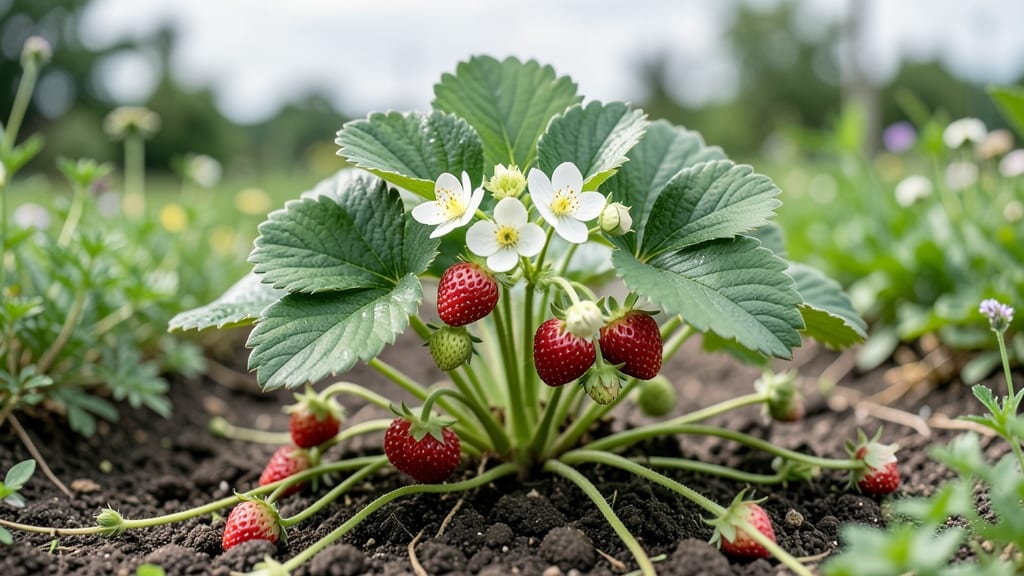
Strawberry plants flower when they receive the right mix of chilling hours and warmth — typically between March and May, depending on your zone and variety 🍓.
Picture this: your strawberry patch sits quiet all winter, then suddenly bursts into delicate white blooms in just a few weeks. That transformation isn’t magic—it’s science, and timing it right means the difference between a bountiful harvest and a sad handful of berries.
June-bearing types usually flower earliest, followed by everbearing and day-neutral varieties. But here’s the catch: if your zone runs hot fast, those blooms might appear too soon, only to fry under summer heat. The key? Understanding how temperature shifts trigger flowering—and how to adjust care for your specific climate.
In this guide, I’ll break down the exact months strawberries flower in your zone, how to encourage earlier blooms, and the common mistakes that stall flowering. By the end, you’ll know exactly when to expect those first blossoms—and how to protect them for a sweet payoff.
Strawberry flowering timeline by USDA climate zones (with exact months)
Strawberry flowering isn't a one-size-fits-all process—it's heavily influenced by your USDA climate zone, variety type, and seasonal temperature shifts. June-bearing varieties, for example, rely on cold winter chilling (300-500 hours below 45°F) to trigger spring blooms, while everbearing types produce flowers in two flushes per year.
Understanding these patterns helps you time planting, fertilization, and pest control for maximum yields.
Day-neutral varieties are the exceptions—they flower continuously when temperatures stay between 50°F and 85°F, making them ideal for warmer zones (8-10). However, even these need proper light exposure and soil conditions to maintain steady blooms.
Let's break down the exact months for each zone and variety type so you can plan your garden calendar with precision.
Key factors influencing flowering:
- Chilling hours (critical for June-bearing varieties)
- Daylight length (affects everbearing types)
- Soil temperature (roots need warmth to activate blooms)
- Variety selection (June-bearing vs. everbearing vs. day-neutral)
In Zones 3-4, June-bearing varieties typically bloom in late May to early June after satisfying their chilling requirements. This is when you'll see those iconic white flowers appear—followed by fruit in 60-70 days.
Everbearing types in these zones produce an initial flush in June and a smaller fall harvest in September-October before frost. For day-neutral varieties, expect continuous blooms from May through October, making them perfect for extended harvests.
Warmer zones (
How to force earlier strawberry flowers (proven techniques for faster harvests)
Want to enjoy strawberries weeks—even months—earlier than your neighbors? The secret lies in understanding your strawberries' dormancy requirements and manipulating their environment. Most varieties need a period of cool temperatures (32-40°F) to break dormancy and trigger flowering.
Without this chilling period, your plants may just produce lush foliage but skip blooms entirely.
Your USDA zone determines when you can start these techniques. In warmer zones (7-10), strawberries often flower year-round, but in cooler zones (3-6), you'll need to simulate winter conditions. The good news? With the right tricks, you can coax flowers 4-6 weeks earlier than nature's timeline.
Start with cold storage if you're in Zones 3-6. Place potted strawberry plants in a garage or unheated basement at 35-40°F for 4-6 weeks before transplanting outdoors. This mimics winter chilling and jumpstarts flowering. For everbearing varieties, this can produce two harvests per year instead of one.
Boost soil warmth in cooler zones by using black plastic mulch or row covers to raise soil temperatures by 5-10°F. Strawberries need soil temps above 50°F to flower consistently. In warmer zones (7-10), shade cloth during peak summer heat prevents stress-induced dormancy.
Prune strategically to redirect energy. For June-bearing varieties, remove old leaves after harvest to encourage new growth and fall blooms. For everbearing types, trim weak runners to focus energy on flowering. Always use sterilized shears to prevent disease spread.
Finally, fertilize at the right time. Apply a balanced 10-10-10 fertilizer in early spring (before blooms appear) and again after harvest. Avoid high-nitrogen feeds during flowering—this promotes leaves over blooms. In Zone 10, fertilize lightly every 6-8 weeks year-round for continuous production.