
Blooming
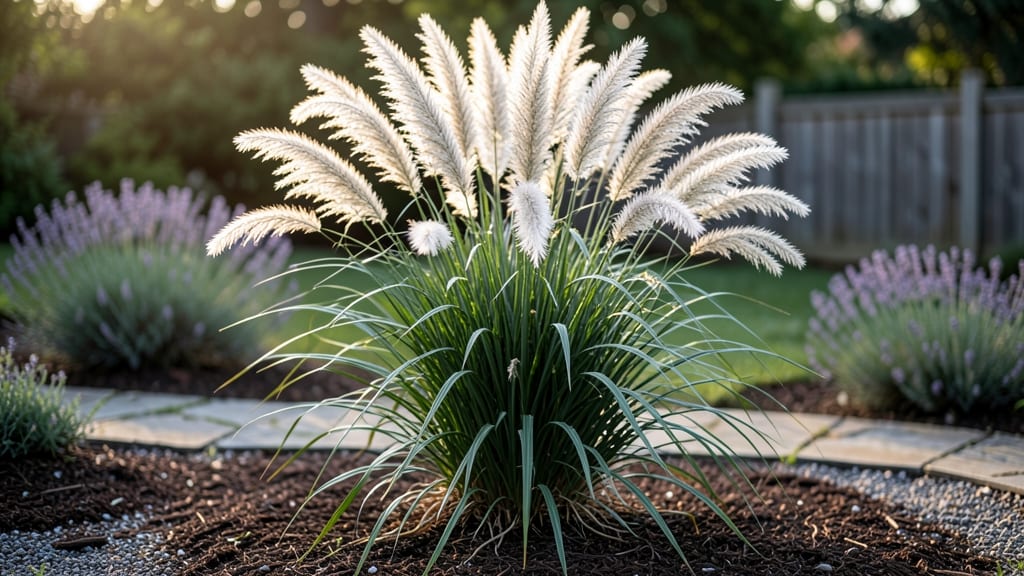
Pampas grass flowers in late summer to fall 🌿, with dramatic plumes that can transform your garden into a dreamy, ethereal landscape.
If you’ve ever admired pampas grass’s cloud-like blooms but wondered when they’ll finally appear in your yard, timing is everything—and it varies wildly by climate zone.
In warmer regions like Zone 9, you might spot those feathery spikes as early as July, while gardeners in Zone 6a could wait until September or October.
This ornamental grass isn’t picky about when it blooms, but it does need the right conditions: full sun, well-draining soil, and patience. Younger plants may take 2-3 years to produce their first plumes, and even then, they might skip a year if stressed by drought or poor soil.
Below, I’ll break down the exact months to expect blooms in your zone, plus pro tips to encourage earlier (or later) flowering—so you can plan your garden’s show-stopping moments.
Pampas grass flowering timeline by USDA Zone: exact months to expect blooms
Timing is everything when it comes to those iconic pampas grass plumes. While they’re famous for their late-summer-to-fall display, the exact months depend heavily on your USDA hardiness zone.
In cooler zones like Zone 5, you might spot blooms as early as mid-August, while gardeners in Zone 10 could enjoy them until November. The variation comes down to heat accumulation and frost risk—critical factors for this ornamental grass.
Microclimates also play a surprising role. A sheltered south-facing spot might trigger blooms 2-3 weeks earlier than a windy, exposed area. Even within the same zone, elevation changes can shift flowering by 10-14 days.
For example, Denver’s Zone 5b gardens often see plumes 1-2 weeks later than those in nearby Zone 6a areas like Colorado Springs.
Here’s the zone-by-zone breakdown you’ve been waiting for—including regional exceptions that could change your bloom dates:
Notice how Zone 5 gardens have the tightest window—just 6-8 weeks—while Zone 10 can stretch blooms for 5 months. This dramatic difference explains why some gardeners in Zone 6 report plumes lasting until Christmas, while others in similar zones see them fade by Halloween.
The key? Heat accumulation in summer determines when the plant shifts energy from growth to flowering.
Young pampas grass plants (1-2 years old) often bloom 2-3 weeks later than mature specimens. This is because they’re still building root systems. If your plant is 3+ years old but hasn’t bloomed yet, check for poor drainage or shaded conditions—both common culprits.
Even in ideal zones, some varieties like 'Pink Feather' may bloom 10-14 days earlier than 'Pampa King'.
One pro tip for cooler zones: If your plumes appear brown and crispy by October, they’re likely done for the season. In warmer zones, you might see second flushes if winter temps stay above 40°F.
Always prune back 1/3 of the plant height in late winter to encourage next year’s blooms—this timing matters more than you’d think for Zone 7-10 gardeners.
For those in transition zones (like Zone 6b in Virginia), pay attention to degree days. When daytime highs consistently hit 85°F+ for 3+ weeks, that’s your cue that blooming is imminent.
In contrast, Zone 8 gardeners in Arizona might see blooms triggered by monsoon rains rather than heat alone—a quirk of the Southwest microclimate.
If you’re planning your garden around pampas grass, aim to plant in early spring (after last frost) for Zone 5-7, or fall in Zone 8-10. This gives roots time to establish before the critical
5 Key factors that determine when your pampas grass will flower
Pampas grass (Cortaderia selloana) is famous for its showstopping plumes, but when they bloom depends on more than just luck. Understanding these five critical factors will help you predict—and even influence—your plant’s flowering schedule.
From sunlight exposure to plant maturity, each plays a role in triggering those iconic late-summer-to-fall blooms.
First, let’s tackle the most influential variable: sunlight exposure. Pampas grass thrives in full sun (6+ hours daily), but too little light delays flowering. In shadier spots, expect blooms to arrive late—or not at all.
Even partial shade can push flowering into early autumn instead of late summer. If your plant isn’t getting enough light, relocate it to a sunnier area before spring to encourage timely blooms.
- Sunlight Exposure: 6-8+ hours daily triggers blooms; less than 4 hours delays or prevents them.
- Soil Type: Well-draining, slightly alkaline (pH 6.5-7.5) supports root health and nutrient uptake for flowering.
- Watering Habits: Deep, infrequent watering (every 7-10 days) mimics natural drought cycles; overwatering stresses roots.
- Plant Maturity: 3+ years old before consistent blooming; younger plants may flower sporadically or not at all.
- Dormancy Requirements: Cold winter chill (USDA Zones 5-9) resets growth cycles; Zone 10+ may bloom year-round.
Next, soil type directly impacts your pampas grass’s ability to store nutrients for flowering. This ornamental grass prefers well-draining, slightly alkaline soil (pH 6.5-7.5). Heavy or clay-heavy soils can suffocate roots, causing delayed blooms.
Amend your soil with compost or sand if it’s compacted, and avoid waterlogged conditions. A quick soil test will reveal if your garden’s pH is flower-friendly or needs adjustment.
Your watering habits might surprise you—pampas grass is drought-tolerant once established, but inconsistent watering throws off its internal clock. Deep, infrequent watering (every 7-10 days) mimics natural rainfall patterns and encourages robust root systems.
Overwatering, on the other hand, can delay flowering by keeping the plant in a perpetual growth phase. Let the top 2-3 inches of soil dry out between waterings for best results.
Patience is key when it comes to plant maturity. Most pampas grass plants won’t produce reliable blooms until they’re 3 years old. In their first two years, they focus on root and foliage growth, storing energy for future plumes.
If your plant is younger than three years, don’t panic—it’s just building strength for its first big show. Providing balanced fertilizer in early spring (10-10-10) can help speed up maturity slightly.
Finally, dormancy requirements vary by climate zone. In USDA Zones 5-9, pampas grass needs a cold winter chill (below 40°F) to reset its growth cycle and trigger spring blooms. Without this dormancy period, flowering may become sporadic or nonexistent.
In Zone 10 and warmer, where winters are mild, pampas grass may bloom year-round or produce smaller, less dramatic plumes. If you’re in a warmer zone, consider giving your plant a light frost exposure to encourage seasonal blooming.