
Blooming
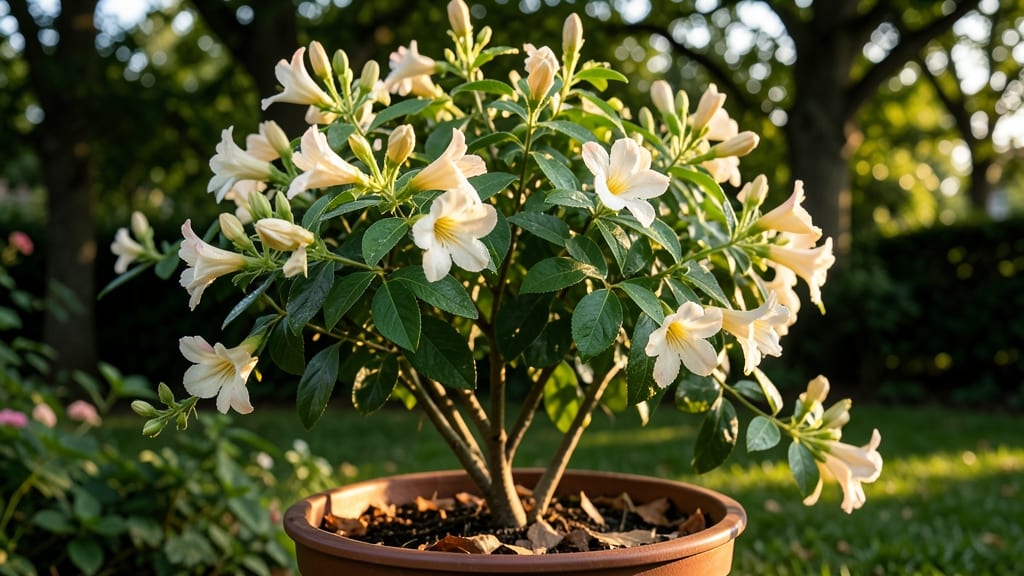
Your honeysuckle’s flowering time depends entirely on your USDA zone, variety, and a few clever care tricks — and getting it right means months of fragrant, pollinator-loving blooms 🌸.
If you’ve ever wondered why your honeysuckle isn’t blooming—or when to expect those fragrant, tubular flowers—timing is everything. Honeysuckle flowering varies dramatically by USDA zone, and getting it right means lush vines, sweet scents, and a garden that hums with pollinators.
In Zone 6a, like many gardeners, you’ll see early blooms in late spring, with peak flowering stretching through summer until early fall. But move south to Zone 8, and those same vines might start flowering as early as March, while northern varieties wait until June.
Below, I’ll break down the month-by-month bloom windows by zone, share the key factors that shift flowering time, and reveal three simple tricks to coax your honeysuckle into blooming longer—no green thumb required.
When do honeysuckle flowers bloom? Month-by-month USDA zone guide
Honeysuckle flowering times vary dramatically across USDA Zones 3-10, with some varieties blooming in late spring and others stretching into early fall. Understanding your zone helps you anticipate when to enjoy those fragrant, tubular blooms that attract hummingbirds and butterflies.
In cooler northern zones, expect earlier blooms, while southern climates often see prolonged flowering seasons.
The key difference lies between spring-blooming and summer-blooming varieties. Spring types like Lonicera periclymenum typically flower in May-June, while summer varieties such as Lonicera sempervirens may bloom from June through August. Some everblooming cultivars produce flowers intermittently all season long, making them ideal for continuous color.
Climate plays a huge role—warmer zones like USDA Zone 9-10 can experience year-round blooming with proper care, while colder zones (USDA Zone 3-5) may see blooms cut short by early frosts.
Even within the same zone, microclimates (like urban heat islands) can shift bloom times by 2-4 weeks.
| USDA Zone | Primary Bloom Time | Secondary Bloom Time | Notes |
|---|---|---|---|
| 3-4 | Late May - Early June | None (unless everblooming) | Short season; protect from late frosts |
| 5-6 | Mid-May - June | Late July - August (some varieties) | Spring bloomers dominant; deadhead for rebloom |
| 7-8 | April - May | June - September | Longer season; some varieties bloom continuously |
| 9-10 | March - April | May - October | Year-round potential with everblooming types |
In USDA Zones 3-4, honeysuckle typically blooms in late May through June, with some hardy varieties like Lonicera tatarica producing bright red or yellow flowers that withstand cooler temperatures.
These northern climates often see only one bloom cycle unless you choose everblooming cultivars, which may produce sporadic flowers through summer.
Gardeners in USDA Zones 5-6 enjoy a slightly extended season, with primary blooms appearing in mid-May and potential secondary blooms in late July or August. This makes zones 5-6 ideal for spring and summer interest.
Pruning strategies can further encourage reblooming—removing spent flowers (deadheading) often triggers new growth and extended flowering.
For USDA Zones 7-8, the flowering window expands dramatically. Many varieties bloom as early as April and continue through September, with some everblooming types producing flowers year-round in mild winters. Southern exposure and adequate moisture help maximize bloom potential in these zones.
In the warmest zones (USDA Zones 9-10), honeysuckle often starts blooming in March and may continue through October. Some tropical varieties like Lonicera japonica thrive in these climates, offering prolonged fragrance and attracting pollinators for months.
However, even in warm zones, late frosts can damage blooms, so choose cold-hardy varieties.
Regional exceptions exist—coastal areas in Zone 8 might see blooms 2-3 weeks earlier than inland locations due to milder temperatures. Similarly, high-elevation gardens in Zone 7 may experience delayed blooms compared to valley gardens. Always consider your specific microclimate when selecting honeysuckle varieties for optimal flowering.
To maximize your honeysuckle's bloom time, focus on three key factors: proper pruning, consistent moisture, and selecting the right variety for your zone. Everblooming types like Lonicera sempervirens ‘Hall’s Prolific’ are excellent choices for extended color, while traditional varieties may offer intense fragrance in shorter windows.
🌿 Remember that honeysuckle flowering times can shift slightly each year based on weather patterns. A cold spring may delay blooms by weeks, while a warm winter could encourage earlier flowering. Observing local patterns and adjusting care accordingly will help you enjoy these fragrant vines at their peak.
How to extend honeysuckle blooming season with pruning and care
Honeysuckle vines burst with fragrant blooms that attract hummingbirds and bees, but their flowering season can feel short-lived. The key to longer blooming periods lies in strategic pruning, nutrient management, and seasonal adjustments.
Whether you have everblooming varieties like Lonicera sempervirens or seasonal types, these techniques will keep your vines in full flower from early summer to frost.
Most honeysuckle varieties bloom in late spring to early summer, but with the right care, you can coax a second flush of flowers in late summer or fall.
Start by understanding your plant’s growth habits—seasonal bloomers produce flowers on old wood (last year’s growth), while everblooming types flower on new wood (current year’s growth). This distinction changes how—and when—you prune.
For seasonal bloomers, prune right after flowering to avoid cutting off next year’s buds. For everbloomers, prune lightly in early spring and deadhead spent blooms throughout the season. This encourages continuous growth and flowering.
Deadheading is your secret weapon for extending the blooming season. As soon as flowers fade, pinch off the spent blooms with clean pruning shears or your fingers. This redirects the plant’s energy from seed production to new flower growth. Aim to deadhead every 7–10 days during peak bloom periods for the best results.
Honeysuckle thrives with consistent moisture but hates soggy roots. Water deeply once a week during dry spells, ensuring the soil stays moist but well-draining. In hotter climates (USDA Zones 8–10), increase watering to every 3–4 days to prevent stress, which can shorten the blooming window.
Mulch around the base with 2–3 inches of organic mulch to retain moisture and regulate soil temperature.
Fertilizing at the right time can double or even triple your blooming season. Use a balanced 10-10-10 fertilizer in early spring to jumpstart growth, then switch to a low-nitrogen, high-phosphorus formula (5-10-10) when buds form to encourage flowering.
Avoid fertilizing in late summer or fall, as this can stimulate tender new growth vulnerable to late frosts.
Protecting your honeysuckle from late-season frosts is critical, especially in USDA Zones 3–7. If a frost is forecasted after your plant has set buds, cover the vines with frost cloth or burlap the night before.
Everblooming varieties are slightly more frost-tolerant, but all honeysuckle benefits from a late-spring pruning to remove any frost-damaged stems before new growth begins.
With these pruning hacks, watering strategies, and fertilizing tips, your honeysuckle will reward you with months of continuous blooms—turning your garden into a fragrant paradise for pollinators. Start small, and soon you’ll have a vine that flowers from June to October! 🌿