
Blooming
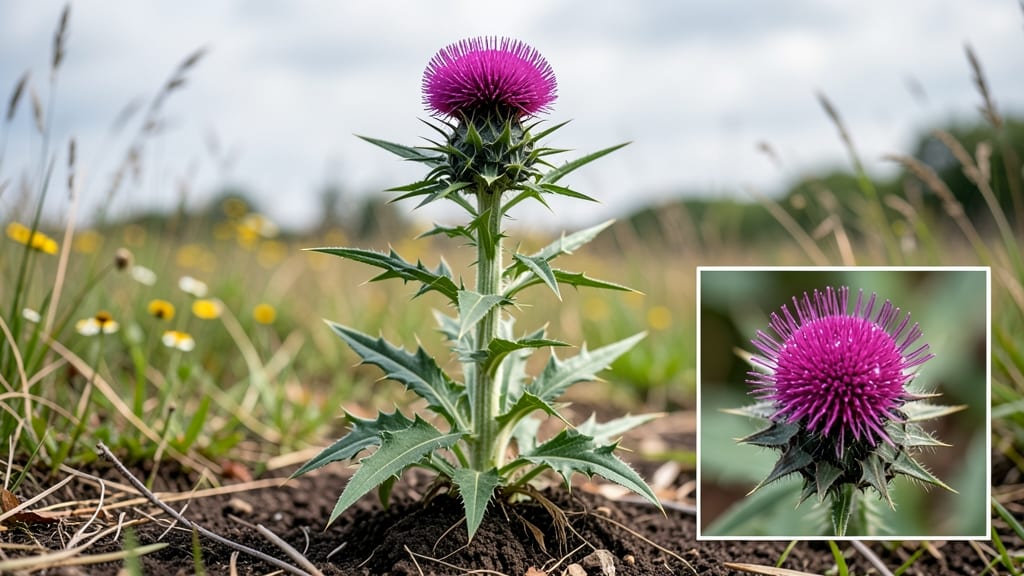
Thistles flower in late spring to early summer 🌿, with timing that shifts dramatically depending on where you live and which species you’re dealing with.
If you’ve ever spotted a thistle and wondered when those striking purple blooms will appear—or how to time their removal before they spread—this month-by-month guide will give you the exact answers you need, tailored to your region.
Most common thistles, like Cirsium and Onopordum, start blooming as early as May in warm climates but can hold off until July in cooler zones.
The difference comes down to temperature, soil moisture, and even elevation—so knowing your local frost dates is the key to predicting when those spiky stems will burst into color.
Below, I break down the blooming schedule by U.S. region, share how to spot early signs of flowering, and explain why some thistles linger longer than others. No more guessing—just precise timing to stay ahead of their spread.
Thistle flowering timeline: month-by-month blooming schedule by U.s. region
Thistles—those spiky, purple-spiked wildflowers—bloom at different times depending on your U.S. region, variety, and local climate. Knowing their flowering schedule helps you time removal, enjoy their beauty, or even collect seeds before they spread.
Below, I’ll break down when common thistles (Cirsium), Scotch thistles (Onopordum), and musk thistles (Carduus) typically flower across five key regions.
Thistle blooms are stunning but invasive, so timing matters—especially if you’re trying to prevent seed production. Early bloomers in the Southwest may appear as early as February, while late-season varieties in the Pacific Northwest might not peak until August.
Let’s dive into the specifics by region to help you stay ahead of their growth cycle.
In the Northeast, thistles like the common thistle typically bloom from June to August, while Scotch thistles lag slightly, peaking in July–September. The musk thistle, however, is an early bloomer here, often flowering as early as May.
If you’re in Zone 5 or 6, watch for frost after August, which can cut the season short.
The Southeast sees thistles bloom much earlier due to milder winters. Musk thistles can even flower as early as March, while Scotch thistles stretch their blooming period into July.
Humidity in this region also means thistles may produce more seeds if left unchecked. If you’re in Zone 7–9, prioritize removal before June to limit spread.
For Midwest gardeners, rainfall is the biggest factor in thistle blooming.
A wet spring can push common thistles to bloom as early as June, while drought may delay them until July or August. Scotch thistles here often bloom later, from July to September, making them easier to target in early summer before they dominate your landscape.
If you live in the Southwest, you’ll spot thistles flowering earlier than anywhere else in the U.S. Musk thistles can bloom as early as January, with common thistles following in February–April.
The arid climate means these plants grow quickly but also dry out fast—perfect for manual removal before seeds form. Irrigated areas may see extended blooming into May.
In the Pacific Northwest, cooler temperatures and frequent rain delay thistle blooms until summer. Common thistles typically bloom from July to September, while Scotch thistles can stretch into October in milder microclimates.
If you’re in Zone 8 or 9, elevation plays a role—higher areas may see blooms 2–4 weeks later than lower elevations.
Regardless of your region, the key to controlling thistles is acting before they flower. Once those purple spikes appear, seeds are already forming. For early bloomers (like musk thistles in the Southwest), start monitoring in January.
For late bloomers (like Scotch thistles in the Pacific Northwest), keep an eye out until October.
Pro tip: Use a gardening calendar to mark
How to identify thistle blooming stages and prevent spread before flowering
Thistles are aggressive invaders, and their flowering stage is the perfect time to stop their spread. Recognizing the three key growth phases—rosette, bud, and bloom—lets you act before they produce thousands of seeds. The earlier you intervene, the easier it is to control their population and protect your garden.
Most thistle species, like common thistle (Cirsium vulgare) and Scotch thistle (Onopordum acanthium), begin flowering between late spring and early summer, depending on your region.
In warmer climates like the Southwest, blooms may appear as early as March or April, while cooler regions like the Pacific Northwest might see flowers in June or July. Timing is everything!
Here’s how to identify each stage and act before flowering begins:
- 1 Rosette Stage (Early Spring): Look for low-growing clusters of spiky leaves forming a circular pattern. This is your first chance to remove thistles before they grow tall. Use a hand trowel or weeding tool to pull them out entirely, roots and all.
- 2 Bud Formation (Late Spring): Thistles will start developing tight, spiky flower buds along their stems. This is the critical window to act—cut stems at ground level with pruners or a string trimmer to prevent flowering. Dispose of cuttings in sealed bags to stop seed spread.
- 3 Flowering Stage (Summer): If you see purple or pink flower spikes emerging, it’s too late for manual removal—focus on preventing seed heads from forming. Cut off flower spikes immediately, and consider applying a pre-emergent herbicide to block new seedlings.
- 4 Seed Head Prevention (Fall): After flowers fade, thistles produce fluffy seed heads that spread via wind. Remove these before they release seeds—wear gloves to protect your hands from spines. For large infestations, use a broadleaf herbicide like glyphosate in late summer.
For stubborn thistles, combine manual removal with herbicide applications in early spring. Always check local regulations before using chemicals, especially near water sources or edible plants. Consistency is key—thistles can regrow from even small root fragments, so stay vigilant!
Pro tip: Mulch your garden beds with cardboard or landscape fabric to block sunlight and prevent new thistle seedlings from sprouting. This passive method works best in low-traffic areas where you can leave it undisturbed for months.
By mastering these stages, you’ll turn thistles from a garden menace into an easy-to-manage problem. Early action saves time, effort, and keeps your landscape looking pristine all season long. 🌱