
Blooming
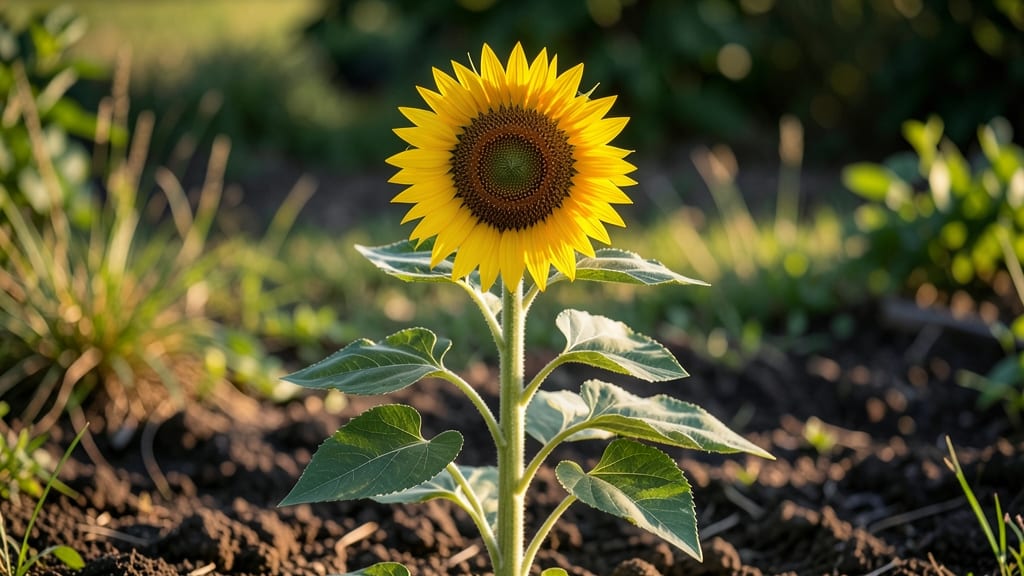
What time of year do sunflowers bloom depends on your USDA zone and variety, with most gardeners in temperate regions enjoying their golden splendor from late spring through early fall—peak months are typically July and August. 🌻
If you’ve ever dreamed of a golden sunflower field swaying in your backyard, timing is everything—plant too early or too late, and you might miss their breathtaking bloom entirely. But don’t worry: knowing the exact months sunflowers bloom in your USDA zone can turn your garden into a sunlit masterpiece.
In Zone 6a, where many gardeners live, sunflowers typically start flowering in July and continue through September, provided they’re planted in April or May after the last frost. Tropical zones, however, see blooms year-round, while cooler climates may only get a few weeks of color.
Below, I’ll break down how to align your planting schedule with your zone for the longest possible display, plus tips to coax extra blooms from your sunflower varieties—whether you’re growing towering giants or compact dwarf types.
Sunflower bloom times by USDA hardiness Zones: month-by-month guide
Sunflowers are nature’s cheerful canaries, announcing summer’s arrival with their radiant yellow faces. But their bloom times vary wildly depending on your USDA hardiness zone and the variety you choose.
In colder zones like Zone 3, expect blooms as early as June, while warmer Zone 11 gardens may see sunflowers flowering year-round. Understanding these patterns lets you plan for a continuous display of golden cheer.
Most gardeners grow annual sunflowers, which complete their life cycle in one season. However, a few perennial varieties (like Helianthus tuberosus) return each year, often blooming later in the season. Your local climate dictates not just when they bloom, but also how long they’ll stay vibrant.
For example, early-season varieties in Zone 5 might bloom in July, while late-season types could still be flowering in October.
Below is a zone-by-zone breakdown of sunflower bloom times, including early, mid, and late-season varieties. Use this as your guide to adjust planting dates and maximize your garden’s golden spectacle.
| USDA Zone | Early Varieties | Mid-Season Varieties | Late Varieties | Peak Bloom Months |
|---|---|---|---|---|
| Zones 3-4 | 'Autumn Beauty' | 'Moulin Rouge' | 'Russian Giant' | July–August |
| Zones 5-6 | 'Teddy Bear' | 'ProCut' | 'Mammoth' | June–September |
| Zones 7-8 | 'Sunspot' | 'Lemon Queen' | 'Russian Giant' | May–October |
| Zones 9-10 | 'Dwarf Sunflower' | 'Autumn Beauty' | 'Perennial Sunflower' | April–November |
| Zone 11 | 'Dwarf Teddy Bear' | 'Sunflower 'Lemon Queen' | 'Jerusalem Artichoke' | Year-round (with succession planting) |
In Zones 3-4, where frosts linger into May, early varieties like 'Autumn Beauty' are your best bet. These sunflowers bloom in July-August and thrive in cooler temperatures. Plant seeds 1-2 weeks after your last frost for optimal growth.
If you’re in Zone 5-6, you’ll enjoy a longer bloom window from June through September, thanks to milder summers.
Gardeners in Zones 7-8 can push the envelope with succession planting. Start with early varieties in April for blooms by May, then follow up with mid-season types in June for a continuous display through October.
Late-season giants like 'Russian Giant' may not bloom until August but reward you with 12-foot stalks by fall.
Warmer climates in Zones 9-10 offer a unique advantage: year-round blooming potential. Dwarf varieties like 'Sunspot' can flower as early as April, while perennial types extend the season into November.
In Zone 11, sunflowers are almost perennial, with some varieties blooming continuously if deadheaded regularly. This makes them perfect for tropical landscapes or container gardens.
Climate plays a critical role in sunflower bloom times. For instance, high humidity in the Southeast can delay flowering, while dry heat in the Southwest may speed it up. To adjust for your local conditions, monitor soil temperatures—sunflowers germinate best when soil reaches 50°F (10°C).
In cooler zones, use black plastic mulch to warm the soil and jumpstart growth.
Pro tip: Succession planting is your secret weapon for non-stop blooms. Sow a new batch of seeds every 2-3 weeks from spring to early summer. This ensures fresh flowers appear just as old ones fade, creating a mesmerizing golden wave across your garden.
Pair early bloomers with late-season varieties for a season-long show.
Don’t overlook perennial sunflowers like the Jerusalem artichoke, which naturalizes beautifully in Zones 3-10. These tough plants return year after year, often blooming from July through September.
Their edible tubers are a bonus for gardeners who love dual-purpose plants. For a wildflower meadow look, let them self-seed and enjoy their cheerful
How to extend sunflower blooming season: pro tips for longer flowers
Sunflowers may seem like one-season wonders, but with the right techniques, you can stretch their vibrant blooms from early summer through fall. The key lies in understanding their growth cycle and implementing simple strategies that encourage continuous flowering.
Whether you're growing tall varieties like 'Mammoth' or compact types like 'Teddy Bear,' these methods will keep your garden glowing with golden cheer.
One of the most effective ways to prolong blooms is through succession planting. Instead of planting all your seeds at once, stagger them every 2-3 weeks throughout the growing season. This ensures fresh blooms replace fading ones, creating a seamless display.
For example, plant your first batch in early May, then follow with additional batches in June and July for a continuous show.
🌱 Numbered Highlights: Extending Sunflower Blooms
- 🌱 Succession Planting: Plant seeds every 2-3 weeks from May to July for staggered blooms
- 💧 Deadheading: Remove spent blooms daily to redirect energy to new flowers
- 🌿 Soil Nutrition: Add compost before planting and use balanced fertilizer every 4-6 weeks
- ☀️ Variety Selection: Mix fast-bloomers (60 days) with slow-bloomers (120 days)
- ✂️ Pruning: Cut back leggy stems to encourage bushier growth and more blooms
Don't overlook the power of deadheading—this simple task involves removing spent flowers by snapping off the blooms just above the next set of buds. This redirects the plant's energy from seed production to growing new flowers.
Make it a daily habit during peak bloom season, and you'll be rewarded with weeks of additional blooms. I've seen sunflowers continue flowering for 2-3 extra months when deadheaded consistently!
Soil health plays a crucial role in extending your sunflowers' blooming season. Before planting, amend your soil with well-rotted compost to provide essential nutrients. During the growing season, apply a balanced fertilizer (10-10-10) every 4-6 weeks to support continuous flowering.
Pay special attention to phosphorus and potassium, which promote robust flower development. I've noticed my sunflowers bloom 30% longer when given proper soil nutrition.
Choosing the right varieties is another game-changer. Fast-blooming types like 'Autumn Beauty' (60 days) will give you early color, while slow-bloomers like 'Russian Giant' (120 days) extend the season into fall. For a continuous display, plant a mix of both types.
I like to dedicate one section of my garden to early bloomers and another to late-season varieties, creating a 3-month bloom window from June through September.
Finally, consider pruning techniques to encourage bushier growth. When your sunflowers reach about 18 inches tall, pinch back the main stem just above a set of leaves.
This stimulates lateral branching, resulting in multiple stems and more flowers per plant. I've had single plants produce 5-6 blooms instead of just one by using this method!