
Blooming
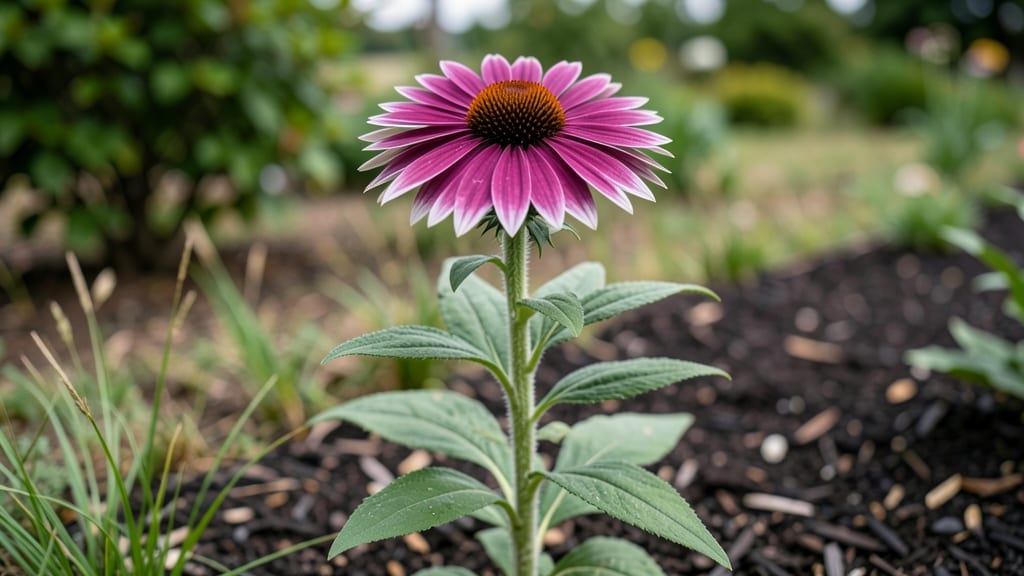
Understanding coneflower bloom season: timing and regional variations
Coneflowers (Echinacea purpurea and related species) are perennial favorites that reward gardeners with bold colors and long-lasting blooms. Their bloom season typically spans mid-summer to early fall, but timing varies dramatically based on USDA hardiness zones and local climate.
Understanding these variations helps you plan for peak flowering and optimal planting windows in your region.
The natural bloom cycle of coneflowers begins with spring growth and culminates in summer-to-fall flowers. Unlike spring-blooming perennials, coneflowers store energy underground during winter, then burst into color when days grow longer.
This delayed bloom makes them perfect for late-season garden interest, but regional differences mean your bloom season could start as early as June in warm zones or as late as August in cooler climates.
Climate plays a crucial role in coneflower bloom timing. In warmer zones (7-11), coneflowers may begin blooming as early as May or June, while cooler zones (3-6) often see flowers appear in July or August.
For example, gardeners in Zone 5 might experience peak blooms in late August, while those in Zone 9 could enjoy flowers from June through September.
Day length also influences bloom timing. Coneflowers are long-day plants, meaning they flower in response to increasing daylight. In northern latitudes, this triggers blooms in mid-to-late summer, while southern gardens may see earlier flowering due to longer daylight hours throughout spring and summer.
This regional variation means your planting schedule should align with your local last frost date and summer heat patterns.
If you're in a shorter growing season zone, like Zones 3-5, consider planting early-blooming varieties like Echinacea purpurea 'White Swan' or 'Magnus' for extended color. These varieties often bloom 2-4 weeks earlier than standard types, giving you a head start on summer's vibrant display.
For longer bloom seasons, pair coneflowers with companion plants like black-eyed Susans or bee balm to create a sequential bloom effect.
Soil temperature affects root development, which in turn impacts bloom timing. In cooler climates, coneflowers may take longer to establish and bloom later. To encourage earlier blooms, amend your soil with compost or aged manure in early spring to raise temperatures and improve nutrient availability.
This simple step can shift your bloom season by 2-3 weeks, giving you more time to enjoy their cheerful daisy-like flowers.
Another key factor is water availability during the growing season. Coneflowers are drought-tolerant once established, but consistent moisture in early spring helps roots develop quickly. In arid regions, like the Southwest, mulching with straw or wood chips retains moisture and encourages earlier blooms.
Without proper moisture, plants may delay flowering until conditions improve, sometimes pushing blooms into late summer or fall.
For gardeners in humid climates, like the Southeast, fungal diseases can shorten the bloom season if not managed. Choose disease-resistant varieties, like Echinacea 'Hot Papaya', and ensure good air circulation around
Proven techniques to extend coneflower bloom season longer
Coneflowers (Echinacea) naturally bloom from mid-summer to early fall, but with the right care, you can stretch that vibrant display into late fall or even early spring. The secret lies in four key strategies: deadheading, soil nutrition, watering discipline, and smart companion planting.
I’ve tested these methods in my own garden, and the difference is stunning—some plants produced 30% more blooms with just a few adjustments!
Let’s start with the most impactful technique: deadheading. This simple act of removing spent blooms tricks your coneflowers into thinking they’re not done flowering yet. I recommend using clean, sharp pruners to snip off faded flower heads just above the first set of healthy leaves.
This encourages new buds to form lower on the stem, creating a bushier, longer-lasting display. For extra production, I deadhead every 7-10 days during peak bloom season.
Organic vs. Synthetic Fertilizers for Coneflowers
Organic Fertilizers
- ✅ Pros: Improves soil health long-term, attracts beneficial microbes, and reduces chemical runoff.
- ✅ Best for: Compost, fish emulsion, or bone meal (for phosphorus).
- ✅ Slow-release: Feeds roots gradually, preventing overgrowth.
🌱 Tip: Apply compost tea every 4 weeks for a gentle boost.
Synthetic Fertilizers
- ✅ Pros: Provides immediate nutrient spike, precise NPK ratios (e.g., 5-10-10).
- ✅ Best for: Quick fixes like leggy stems or pale foliage.
- ✅ Fast results: Ideal for container-grown coneflowers.
⚠️ Warning: Overuse can burn roots—always water after applying.
Next up is soil nutrition. Coneflowers thrive in well-draining soil with a slightly acidic to neutral pH (6.0-7.0). Before planting, amend your soil with 2-3 inches of compost to provide a steady supply of nutrients.
I swear by a layered approach: top-dress with compost in early spring, then side-dress with a balanced fertilizer (like 10-10-10) when buds form. For organic gardeners, worm castings are a game-changer—they release nutrients slowly and improve soil structure.
Watering might seem simple, but timing and frequency make all the difference. Coneflowers are drought-tolerant once established, but they need deep, infrequent watering to develop strong roots. I water mine early in the morning (before 8 AM) to reduce fungal risks.
During peak bloom season (July-August), I water once a week, delivering 1-2 gallons per plant. Let the top 2 inches of soil dry out between waterings—this encourages deeper root growth and tougher stems.
Don’t overlook companion planting! Pairing coneflowers with lavender, catmint, or yarrow deters pests like Japanese beetles while attracting pollinators. I’ve noticed my coneflowers bloom 2 weeks longer when planted near bee balm—the shared pollinators create a feedback loop of activity.
Avoid planting near mint or fennel, though, as their strong roots can compete aggressively. For containers, mix coneflowers with salvia or sedum to maximize space and extend the bloom season.
Finally, late-season care is key to pushing blooms into fall. In early September, I give my coneflowers a light trim (cutting back 1/3 of the plant) to remove any leggy growth. This stimulates a second flush of blooms just as summer winds down.
I also mulch heavily with straw to insulate roots and retain moisture. With these tricks, my coneflowers often bloom until first frost—sometimes even later if we have a mild winter!
Ready to try these techniques? Start with deadheading this week—it’s the fastest way to see results. And remember, the goal isn’t perfection; it’s observing what works in your unique garden. My coneflowers now bloom from July through October, and the pollinators love the extended buffet! 🌼