
Planting
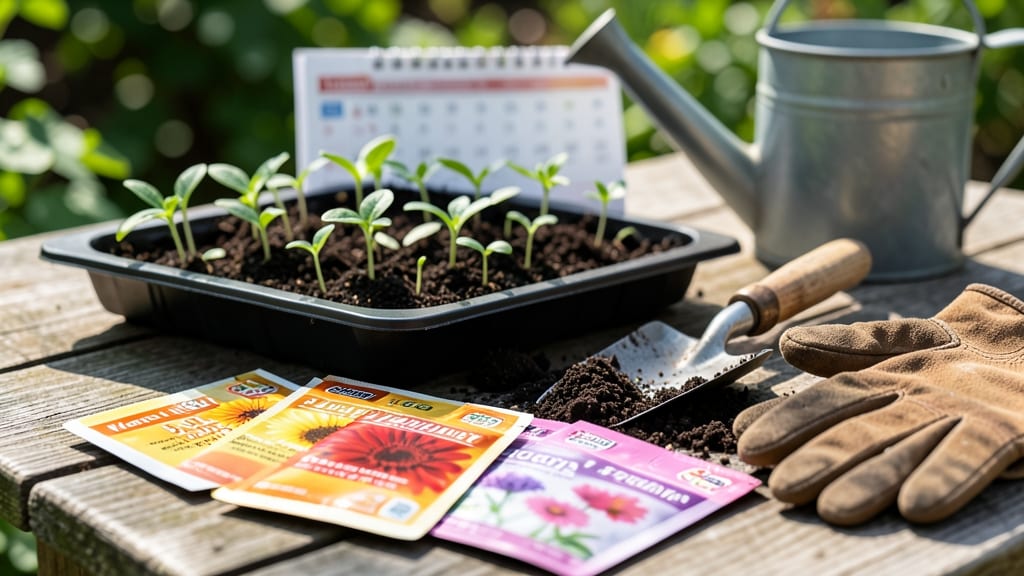
Planting flower seeds at the best time ensures vibrant blooms all season, but one wrong move can leave you staring at empty soil for months.
Timing your flower seed planting can mean the difference between a vibrant garden and months of waiting for blooms—but getting it right depends on your climate zone and flower type.
In USDA Zone 6a, like many gardeners, you’ve got a narrow window to start seeds indoors or direct-sow after your last frost (around April 15 in most areas). Miss it, and you risk stunted growth or bolting before flowers even appear.
Below, I break down the exact planting windows for annuals vs. perennials, how to adjust for your region, and pro tips to extend your bloom season—so you’ll know when to plant for maximum impact.
Climate-Zone planting calendar for flower seeds
Getting your flower seeds in the ground at the right time ensures vibrant blooms all season. But with USDA zones 3-11 having wildly different climates, a one-size-fits-all approach won't work.
The key is understanding your last frost date, soil temperatures, and whether you're growing annuals (one-season wonders) or perennials (returning favorites).
For example, Zone 3 gardeners (think Minnesota or northern New England) have a shorter growing window than Zone 11 (Florida or Southern California), where frost is rare. Even within regions, microclimates matter—desert areas like Arizona may plant earlier than the Pacific Northwest, where cool, damp springs delay germination.
Here’s how to calculate your planting window: Subtract 10-14 days from your average last frost date for cool-season flowers (like pansies) and add 2-3 weeks for heat-lovers (like zinnias). For perennials, aim for 4-6 weeks before frost to establish roots before winter.
Indoor seed starting adds flexibility—begin 6-8 weeks before your last frost date for annuals that need a head start, like tomatoes or petunias. But don’t overdo it; seedlings stretched from lack of light or heat will struggle when transplanted.
Now, let’s break down the best planting times by zone, flower type, and region—so you can plan your garden with confidence.
| USDA Zone | Last Frost Date | Best Time to Plant Annuals | Best Time to Plant Perennials | Regional Adjustments |
|---|---|---|---|---|
| Zones 3-4 | Mid-May | After last frost (May-June) | Early spring (April) or fall (Aug-Sept) | Start indoors 8-10 weeks early; use row covers for cold snaps. |
| Zones 5-6 | Mid-April | April-May (cool-season) or June-July (heat-lovers) | Early spring (March-April) or late summer (Aug) | Pacific NW: Wait for soil to warm (60°F+); Midwest: Plant early for long seasons. |
| Zones 7-8 | Mid-March | March-April (cool) or July-Aug (heat) | Early spring (Feb-March) or fall (Sept-Oct) | Desert SW: Plant in fall/winter to avoid summer heat; Southeast: Spring planting preferred. |
| Zones 9-10 | None (or Dec) | Fall (Sept-Oct) or early spring (Feb) | Fall (Sept-Nov) for winter blooms | California: Succession plant every 2 weeks; Florida: Year-round planting possible. |
| Zone 11 | None | Year-round (avoid peak summer heat) | Year-round (choose drought-tolerant varieties) | Use shade cloth in summer; mulch heavily to retain moisture. |
Notice how Zone 3-4 gardeners rely heavily on indoor starts and row covers, while Zone 11 can plant almost anytime—just avoiding the hottest months. Even within a zone, your elevation and microclimate (e.g., urban heat islands) can shift planting by weeks.
For cool-season annuals like calendulas or snapdragons, plant as soon as soil is workable (around 40°F). Heat-loving annuals such as marigolds or sunflowers need soil temps of 60°F+—wait until late spring or early summer.
Perennials like coneflowers or black-eyed Susans can handle cooler soil but benefit from an early start.
Pro tip: Use a soil thermometer to check temps before planting. Most flower seeds need 50-70°F soil to germinate well. If your soil is too cold, try a cold frame or greenhouse to jumpstart growth.
Don’t forget about fall planting! Many flowers thrive when sown in late summer for spring blooms—think lupines or sweet peas. In warmer zones, this means planting in September-October, while cooler zones may wait until August.
Finally, adjust for your specific region. In the Pacific Northwest, soggy springs delay planting, so use raised beds for better drainage. In the desert Southwest, plant in fall to avoid scorching summer heat. With these adjustments, you’ll maximize your bloom time and minimize wasted seeds.
Ready to dive deeper? Next, we’ll cover how to fine-tune planting times for specific flower types—from cool-loving pansies to sun-basking zinnias.
How to adjust planting times for specific flower types
Not all flowers thrive on the same schedule—some love cool mornings while others bask in summer heat. Adjusting your planting times based on flower type ensures vibrant blooms all season long. Cool-season lovers like pansies and snapdragons prefer early starts, while heat-tolerant blooms like marigolds and zinnias shine when planted later.
Let’s break down the best planting windows for each group.
For direct-sowing in the garden, timing depends on soil temperatures and frost dates. Indoor starting extends your growing season by 4-6 weeks, giving delicate flowers a head start.
Always check your last frost date—this is your planting deadline anchor. In USDA Zone 6, that’s typically mid-April, but zones vary widely, so adjust accordingly.
| Flower Type | Best Planting Time | Direct Sow vs. Indoor Start | Notes |
|---|---|---|---|
| Cool-Season Lovers | Early spring (4-6 weeks before last frost) or fall (6-8 weeks before first frost) | Indoor start preferred; direct sow after soil reaches 45°F | Pansies, snapdragons, sweet peas |
| Heat-Tolerant Blooms | Late spring (after last frost) or summer (when soil is 70°F+) | Direct sow after frost; indoor start optional for faster blooms | Marigolds, zinnias, sunflowers, cosmos |
| Long-Season Performers | Early spring (indoor start 8-10 weeks before last frost) | Indoor start essential; direct sow only in warm climates | Hollyhocks, delphiniums, foxgloves |
Cool-season flowers like pansies and snapdragons thrive when planted early. Start seeds indoors in late winter (February) for blooms by spring. Direct sow them outdoors 4-6 weeks before your last frost date—typically March in most zones. These flowers tolerate light frosts, making them perfect for early-season color.
If you love summer-long blooms, focus on heat-tolerant varieties like marigolds and zinnias. Direct sow these after your last frost date when soil temperatures reach at least 70°F.
For faster results, start seeds indoors 4-6 weeks before transplanting. These flowers handle heat and drought once established, making them low-maintenance choices.
For long-season performers like hollyhocks and delphiniums, timing is critical. Start seeds indoors 8-10 weeks before your last frost date—this gives them time to develop strong roots before transplanting.
Direct sowing outdoors is risky unless you live in a warm climate, as these flowers need time to mature. Plan for late spring transplanting to avoid bolting.
Pro tip: Use row covers or cold frames to extend the growing season for cool-season flowers. This protects tender seedlings from late frosts and gives you an earlier start. For heat-lovers, succession planting every 2-3 weeks ensures continuous blooms all summer long.