
Flowers
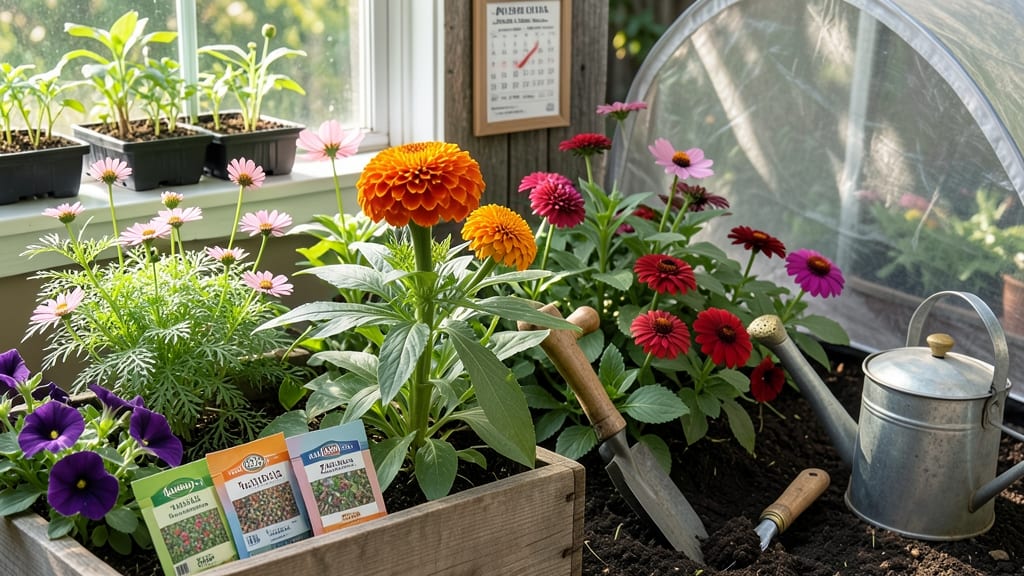
Planting flower seeds in Ohio at the right time means the difference between a garden bursting with 🌸 vibrant blooms and seedlings lost to a late frost.
Ohio’s unpredictable spring weather can turn a gardener’s dream of vibrant blooms into a guessing game—unless you know the exact timing for planting flower seeds in your specific zone.
Most Ohio gardeners in USDA Zone 6a should start cool-season flowers like pansies or snapdragons indoors by February or sow them directly in early March, just as the soil warms.
In this guide, I’ll break down the ideal planting windows for both spring and fall bloomers, plus how to adjust for Ohio’s unpredictable frost dates—so you can enjoy a garden full of color all season long.
Ohio flower seed planting calendar by USDA hardiness zones
Ohio's USDA zones 5b-6b offer a 165-day frost-free growing season, but timing is everything for successful flower seed planting. The average last frost date hovers around April 15, while the first frost typically arrives by October 15.
To maximize blooms, align your planting schedule with soil temperatures and seasonal conditions—whether you're growing cool-season annuals or heat-loving perennials.
For spring-blooming flowers like pansies and snapdragons, start seeds indoors 6-8 weeks before your last frost date. Meanwhile, summer favorites such as zinnias and sunflowers thrive when direct-sown after the soil reaches 60°F.
Below is your month-by-month guide tailored to Ohio’s microclimates, ensuring you avoid frost damage and optimize bloom times.
Spring planting kicks off in March with cool-hardy annuals like sweet alyssum, which tolerates light frosts down to 25°F. These early bloomers brighten gardens before zinnias and sunflowers take center stage in May.
For container gardens, start petunias and geraniums indoors in February—they’ll need 6+ hours of sun daily once transplanted.
Ohio’s summer heatwave (June-August) demands drought-tolerant picks like portulaca and lantana, which thrive in 70-80°F soil. These varieties also attract pollinators while requiring minimal watering.
If you missed spring planting, August is your last chance to sow cosmos and black-eyed Susans for fall color before the first frost.
Fall planting in September focuses on cool-season perennials such as sweet peas and stock, which establish roots before winter. These biennials will reward you with spring blooms the following year.
Always test your soil pH (aim for 6.0-7.0) and amend with compost before sowing—Ohio’s clay-heavy soils benefit from organic matter to improve drainage.
Pro tip: Use row covers or cold frames to extend your planting window by 2-3 weeks
How to adjust planting times for Ohio’s unpredictable weather
Ohio’s spring frost dates can swing wildly from year to year, leaving gardeners like me scrambling to protect tender seedlings. Even if you’ve planted flower seeds at the "right" time, a late frost can wipe out weeks of work in minutes.
The key isn’t just knowing when to plant, but how to adjust timing based on real-time conditions.
I’ve learned that Ohio’s USDA Zone 5b-6b climate demands flexibility. While average last frost dates hover around April 15, I’ve seen snow flurries in May and unseasonable warmth in March.
That’s why I’ve developed a multi-layered approach to safeguard my flower seedlings—one that combines timing adjustments with protective strategies.
⚠️ Late Frost Warning: Ohio’s Hidden Seedling Killer
Never plant cool-season flowers (like pansies or snapdragons) before March 15—even if soil looks warm. A 28°F night can destroy seedlings in hours. For warm-season flowers (zinnias, marigolds), wait until soil reaches 60°F—use a soil thermometer! Ohio’s average last frost is April 15, but I’ve lost entire trays waiting too long.
My first line of defense is succession planting. Instead of sowing all my flower seeds at once, I stagger plantings every 2-3 weeks from March through May. This ensures I always have healthy blooms ready to replace any frost-damaged plants.
For example, I’ll plant snapdragons in early March under row covers, then again in late April for a continuous display.
When late frosts threaten, I rely on floating row covers or cold frames to buy time. These simple tools can raise temperatures by 5-8°F, protecting seedlings until the danger passes. I’ve even used clear plastic milk jugs (cut in half) as mini cold frames for delicate petunia seeds.
The key is removing covers during the day to prevent overheating—Ohio summers can get 90°F+ faster than you’d expect.
For heatwaves, I switch tactics. If summer arrives early (like in 2020 when we hit 95°F by June 1), I move seedling trays to partial shade and increase watering frequency.
Mulching with straw or shredded leaves helps retain moisture, while drip irrigation delivers water directly to roots without wetting foliage—critical for preventing fungal diseases in Ohio’s humid summers.
One strategy I swear by is indoor starting for heat-sensitive flowers. I begin zinnias and sunflowers indoors under grow lights 6-8 weeks before the last frost. This gives them a head start, and I can transplant them once soil warms.
The trade-off? More attention to light exposure and humidity control, but it’s worth it for longer bloom seasons.
Remember, Ohio’s unpredictable weather means your garden plan should be just as flexible. Keep a garden journal to track local frost dates, soil temps, and plant performance.
Over time, you’ll spot patterns—like your backyard staying warmer than the official USDA zone predictions. That’s when you’ll truly master Ohio flower gardening! 🌸