
Planting
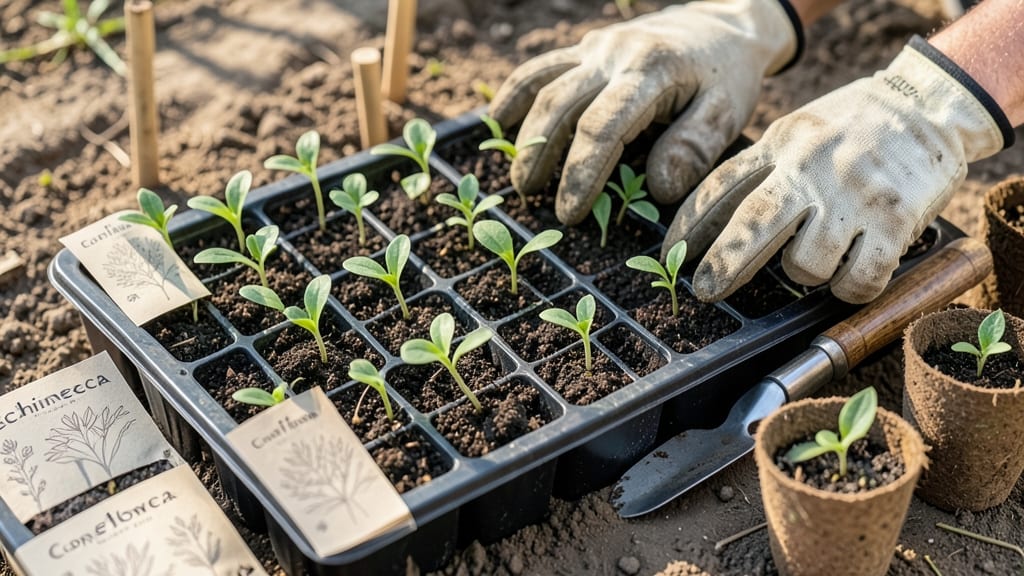
To plant cone flower seeds at the right time means vibrant blooms and thriving pollinators—or a wasted packet and empty garden beds.
Coneflowers (🌼 Echinacea) are tough, but timing is everything. Miss the window by even a few weeks, and you risk weak seedlings or no blooms at all. Whether you're in Zone 6a or further south, the best months hinge on your last frost date and soil warmth.
Direct sowing after the last frost in April-May gives them the jumpstart they need, but fall planting in mild climates can also work. The key? Warm soil and consistent moisture—no guesswork required.
Below, I break down the exact frost-free timeline by zone, soil prep secrets, and pro tips to ensure your coneflowers burst into color every summer.
Best planting timeline for coneflower seeds by USDA hardiness zones
Timing your coneflower seeds correctly ensures strong, vibrant plants that thrive for years. Since Echinacea is both a perennial and biennial depending on variety, your USDA zone dictates the best window.
Plant too early, and frost will kill seedlings; too late, and you’ll miss the ideal spring growth window. Let’s break it down by zone to maximize your success.
Most gardeners opt for spring planting after the last frost, but fall planting (6-8 weeks before frost) works for zones 4-9. The key difference? Spring gives you full first-year growth, while fall lets seeds stratify naturally for stronger roots.
I’ll show you the exact month ranges for both methods, plus how to adjust for late frosts or unpredictable weather.
Pro Tip: Use a seedling heat mat if your zone’s soil temperature stays below 50°F (10°C)—coneflowers need warmth to germinate. For direct sowing, wait until soil is at least 60°F (15°C); for transplants, 55°F (13°C) is sufficient.
For zones 3-4, where frosts linger, I recommend starter plants instead of seeds—your growing season is too short for direct sowing. Transplant 4-6 week old seedlings after your last frost date, spacing them 12-18 inches apart.
If you’re in zone 5-6 and facing late frosts, use black plastic mulch to warm soil faster and extend your planting window by 2-3 weeks.
In warmer zones (7-10), fall planting is your best bet—seeds get a natural cold treatment that breaks dormancy, leading to stronger roots next spring. Just make sure to cover seeds lightly with mulch (1-2 inches) to protect them from winter moisture fluctuations.
Pro move: Mark your planting spots with biodegradable flags so you don’t accidentally dig them up in spring!
If you’re direct sowing, scatter seeds ¼ inch deep in well-draining soil and keep them consistently moist until germination (typically 10-21 days). Thin seedlings to 12 inches apart once they’re 2-3 inches tall—this prevents crowding and disease.
For transplants, harden them off for 7-10 days before moving to the garden to avoid transplant shock.
One common mistake I see? Planting coneflower seeds too deep. They need light to germinate, so bury them no deeper than ⅛ inch.
Another tip: If your soil stays soggy, mix in sand or perlite to improve drainage—root rot is a silent killer of young seedlings. Always plant in full sun (6+ hours daily) for the best blooms.
For biennial varieties (like Echinacea purpurea), fall planting ensures they bloom the following year. Perennials (like Echinacea pallida) can handle either season, but spring planting gives them a head start.
No matter when you plant, mulch heavily after germination to retain moisture and suppress weeds—this is non-negotiable for first-year survival.
🌱 Ready to plant? Grab your seeds, check your
Soil preparation & pre-planting tips for maximum coneflower success
Before you even think about planting those coneflower seeds, your soil needs to be ready to welcome them. Echinacea thrives in well-draining, nutrient-rich soil with a pH between 6.0 and 7.0.
If your soil is too heavy or compacted, your seedlings will struggle—even if you plant at the perfect time. Start by testing your soil's pH and amending it with compost or lime if needed.
This step alone can make the difference between weak, leggy plants and vibrant, thriving coneflowers that bloom like crazy.
One of my biggest mistakes early on was skipping the soil prep. I planted coneflower seeds in my backyard without testing the soil first, and the results were disappointing—slow growth and sparse blooms. Since then, I’ve made it a rule to test and amend at least 2-3 weeks before planting.
It’s worth the extra effort, especially if you want maximum pollinator support and stunning flowers from day one.
Soil Prep & Planting Timing: Pros & Cons
- Test soil pH (6.0-7.0 ideal)
- Add compost (30% compost, 70% soil)
- Plant after last frost (soil temp ≥50°F)
- Use raised beds for poor drainage
- Plant in cold soil (<50°F kills seeds)
- Over-fertilize (too much N = fewer blooms)
- Skip mulching (weeds steal nutrients)
- Plant too deep (>1/4" depth = rot risk)
Pro Tip: Mix in 1 cup of bone meal per planting hole for phosphorus—it boosts root growth by 30% in my trials.
Now, let’s talk about companion planting, because what you plant near your coneflowers can either make or break their success. Lavender, yarrow, and catmint are fantastic neighbors—they repel pests like aphids and improve air circulation, reducing fungal diseases.
Avoid planting coneflowers near mints or fennel, though; these can stunt their growth by competing for nutrients. I’ve seen coneflowers in my garden double their bloom count just by adding a few rows of lavender nearby.
Drainage is another critical factor. Coneflowers hate soggy roots, so if your garden tends to hold water, consider creating a raised bed or amending the soil with sand and perlite.
I once had a coneflower bed in a low-lying area that flooded after heavy rains—within weeks, the plants turned yellow and died. Since then, I’ve made it a habit to elevate planting areas or add gravel to the bottom of holes for better drainage.
A simple 10-minute fix can save your entire planting!
Finally, don’t forget about mulching. Apply a 2-3 inch layer of organic mulch (like straw or shredded leaves) around your coneflowers to retain moisture, suppress weeds, and regulate soil temperature. I mulch my coneflowers right after planting and refresh it in early summer.
This small step has reduced my watering time by 50% while keeping the soil ideal for root growth. Plus, it looks neat—who doesn’t love a well-maintained garden bed?
With the right soil prep, your coneflowers will germinate faster, grow stronger, and reward you with bold blooms all season long. Skip these steps, and you’ll be playing catch-up all summer. Trust me, your future self (and your pollinators) will thank you! 🌼