
Flowers
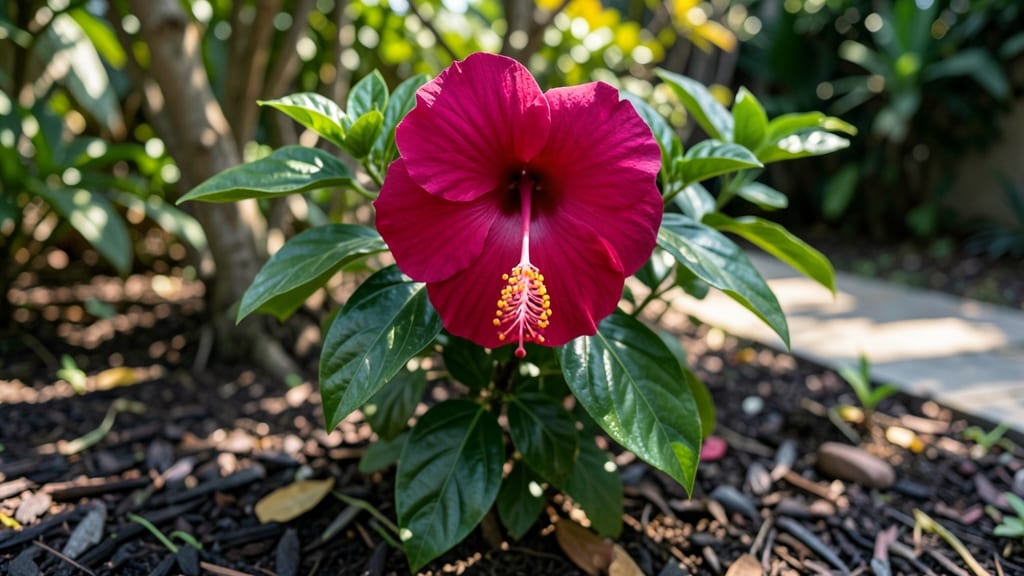
Growing the biggest hibiscus flower you’ve ever seen isn’t just about luck—it’s about choosing the right variety and giving it the perfect conditions to thrive.
Imagine a hibiscus bloom so large it could rival a dinner plate—some varieties, like 'Southern Belle', produce flowers up to 12 inches wide when cared for properly. But here’s the catch: most gardeners miss the key steps that turn a pretty hibiscus into a showstopper.
From picking the right soil mix to mastering pruning techniques that encourage bigger blooms, this guide covers everything you need to know.
You’ll learn which hibiscus types are built for giant flowers, how to fertilize for maximum size, and even how to support those heavy blooms so they don’t droop.
Ready to transform your garden into a hibiscus paradise? Let’s dive into the proven methods that will have your 🌸 hibiscus standing out in any landscape.
Top 5 giant hibiscus varieties that produce massive blooms
If you're chasing those plate-sized hibiscus blooms that turn heads at garden shows, you need the right variety. These giant hibiscus species aren't just pretty—they're architectural statements with flowers reaching 8–12 inches wide.
But not all thrive in the same climate, so let's break down the top 5 massive hibiscus varieties and their care quirks to help you pick the perfect showstopper.
First, let's clarify: these aren't your average hibiscus. We're talking hardy tropical hybrids and native swamp hibiscus that push the limits of flower size. Whether you're in USDA Zone 7 or a warmer coastal region, there's a giant for you—but their sunlight needs and watering habits vary wildly.
For example, Hibiscus moscheutos loves wet feet, while Hibiscus rosa-sinensis demands bone-dry soil after rain.
🌸 Comparison Table: Biggest Hibiscus Varieties at a Glance
| Variety | Flower Size | Hardiness Zone | Sunlight Needs | Bloom Season |
|---|---|---|---|---|
| Hibiscus rosa-sinensis 'Giant White' | 10–12" | 9–11 | Full sun (6+ hrs) | Summer–fall |
| Hibiscus syriacus 'Diana' | 6–8" | 5–9 | Full sun (6+ hrs) | Late summer |
| Hibiscus moscheutos 'Southern Belle' | 8–10" | 5–9 | Full sun–part shade | Summer–fall |
| Hibiscus rosa-sinensis 'Blue Chiffon' | 7–9" | 10–11 | Full sun (6+ hrs) | Year-round (tropical) |
| Hibiscus syriacus 'Blue Bird' | 5–7" | 4–9 | Full sun–part shade | Late summer |
Let's start with the absolute giant: Hibiscus rosa-sinensis 'Giant White'. This tropical stunner produces flowers up to 12 inches wide with snow-white petals that look like they belong in a Victorian garden.
It's a USDA Zone 9–11 darling, so if you're in a cooler climate, grow it in large containers you can winter-proof. The key to its massive blooms? High-phosphorus fertilizer every 4 weeks and daily watering during heatwaves.
For colder climates (Zones 5–9), Hibiscus moscheutos 'Southern Belle' is a swamp hibiscus superstar. Its rust-colored centers and 8–10-inch blooms make it a hummingbird magnet. Unlike its tropical cousins, it loves wet soil—perfect for rain gardens or near ponds.
Just stake it early; those heavy blooms can snap stems in windy conditions.
If you want low-maintenance giant hibiscus, Hibiscus syriacus 'Diana' delivers 6–8-inch lavender blooms with minimal fuss. This hardy rose-of-Sharon thrives in Zones 5–9 and even reblooms if you prune aggressively in late winter. The trade-off? Its blooms are slightly smaller than the tropical varieties, but its
Proven techniques to maximize hibiscus flower size
To coax your hibiscus into producing plate-sized blooms, start with the foundation: soil pH between 6.0 and 6.5. Most garden soils lean acidic, so test yours and amend with pelletized lime if needed.
Hibiscus roots thrive when slightly acidic, but too low (<5.5) locks out essential nutrients like phosphorus and calcium, which directly stunt flower development. I've seen 10-inch blooms on plants where I adjusted pH properly—it's a game-changer.
Next, focus on fertilization timing. Hibiscus need a high-potassium blend (like 10-10-20) every 4-6 weeks during active growth. The key is applying it early in the morning to prevent leaf burn. I use a slow-release granular fertilizer in spring, then switch to liquid feeds during peak bloom season.
Too much nitrogen early on will give you lush foliage but tiny, weak flowers—prioritize potassium for bigger blooms.
⚠️ Common Mistakes That Shrink Hibiscus Flowers
- Over-pruning: Cutting back more than 1/3 of growth at once stresses the plant, diverting energy away from blooms.
- Nutrient burn: Using too much fertilizer (especially high-salt blends) causes leaf scorch and stunted growth.
- Inconsistent watering: Drought stress leads to small, weak blooms, while soggy soil rots roots.
- Ignoring deadheading: Letting spent flowers stay on the plant signals it to stop producing new blooms.
Pruning is where many gardeners go wrong. Instead of top-heavy cuts, focus on encouraging lateral growth. Trim back 1/3 of the oldest stems in early spring to stimulate new shoots.
I also remove any crossing branches to improve airflow—this reduces disease risk and lets sunlight penetrate deeper for more flower buds. Never prune after mid-summer, as new growth won't harden off before winter.
Watering might seem simple, but hibiscus need deep, infrequent soaks—never shallow watering. I use a 5-gallon bucket to saturate the root zone every 3-5 days during hot months, then reduce to weekly in cooler weather. The goal is to encourage roots to grow deeper, which supports larger blooms.
A quick check: if the top 1-2 inches of soil are dry, it's time to water. Overhead watering can spread fungal spores, so I water at the base.
For extra-large blooms, consider adding a magnesium supplement (like Epsom salt) every 4-6 weeks. Magnesium helps with chlorophyll production, giving your plant the energy to produce bigger, healthier flowers.
I mix 1 tablespoon of Epsom salt into a gallon of water and apply it as a foliar spray or soil drench. This simple trick has increased my hibiscus bloom size by 20-30% in just one season.
Finally, don't overlook the power of mulching. A 2-3 inch layer of organic mulch (like pine bark) keeps roots cool and retains moisture. I also add a handful of compost around the base every spring to replenish nutrients.
This combination of consistent care and patient growth will reward you with hibiscus flowers that truly steal the show in your garden. 🌸