
Neem Oil
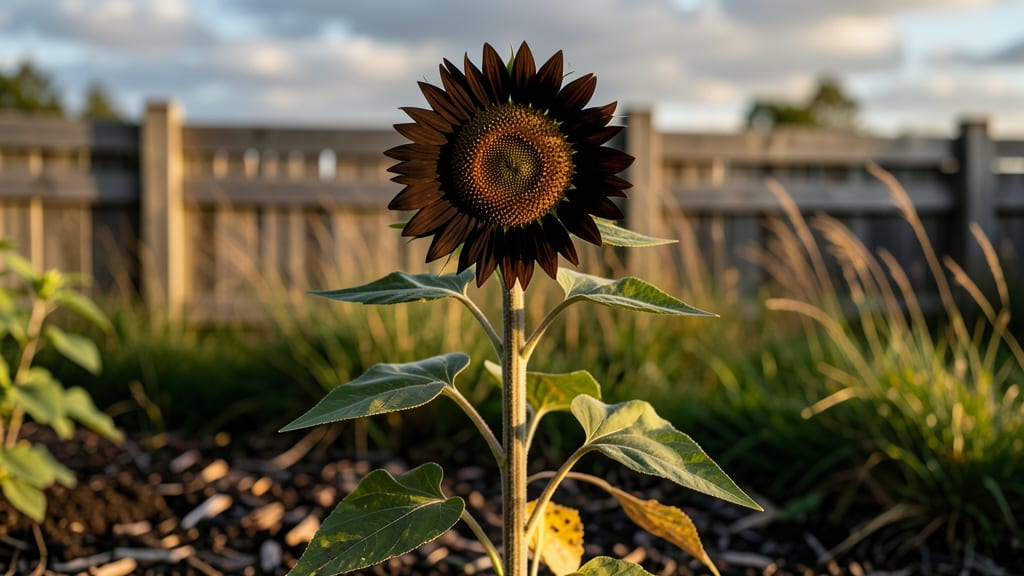
Understanding the black oil sunflower growth stages 🌻 is your secret weapon for a bountiful harvest—because these towering giants don’t just grow fast, they transform your garden in just a few months.
Picture this: a tiny seedling breaking through the soil, then a 6-foot stalk in weeks, and finally, a sunflower head heavy with oil-rich seeds. Missing one stage could mean fewer seeds or even failed crops, but knowing the timeline lets you stay ahead of pests, water needs, and structural support.
From germination to full maturity, each phase has its own quirks—like the critical 3-week window for strong stems or the moment when flowers signal harvest time. Below, I’ll walk you through every milestone, so you can nurture your sunflowers like a pro.
Ready to grow healthier plants with bigger yields? Let’s dive into the week-by-week journey of these sun-loving powerhouses.


Black oil sunflower growth stages explained week-by-week (0-12 weeks)
Black oil sunflowers (Helianthus annuus) are fast growers, transforming from tiny seeds into 10-foot-tall giants in just 12 weeks. Understanding their week-by-week development helps you provide the right care at the perfect time. From the first cotyledons to flowering buds, each stage has unique needs and visual cues.
I’ve watched my own black oil sunflowers go through these stages, and the key is paying attention to leaf formation, stem thickness, and root development. Miss these milestones, and you might end up with stunted plants or weak stems that can’t support heavy flower heads.
Let’s break it down week by week so you can nurture your sunflowers like a pro.
During weeks 0-2, your black oil sunflower seeds will germinate if soil temperatures stay above 70°F. Look for the radicle (tiny root) to break through first, followed by the cotyledons (seed leaves).
These first leaves aren’t true leaves but are critical for photosynthesis. Keep the soil consistently moist—not soggy—to prevent damping-off disease.
By weeks 3-4, your seedlings will sprout their first true leaves, which look different from the cotyledons. This is when you should thin seedlings to 6 inches apart to give each plant room to grow.
If you’re growing in containers, ensure they’re at least 12 inches deep to accommodate root growth. The stem will start to stiffen, preparing for rapid elongation.
In weeks 5-6, your sunflowers enter their vegetative growth phase, where they’ll grow 1-2 feet per week if conditions are ideal. Count the true leaves—you should see 6-8 by week 6.
This is the perfect time to fertilize with a balanced NPK (5-10-10) to encourage strong stem and leaf development. If your garden is windy, consider staking or tying plants to bamboo supports early to prevent stem breakage later.
As you hit weeks 7-8, your sunflowers will start forming flower buds at the top of the stem. You’ll notice the lower leaves yellowing and falling off—a natural process as the plant redirects energy to the flower head.
Reduce watering slightly to stress the plant just enough to trigger bud formation. Keep an eye out for pests like aphids or beetles, which love tender new growth.
By weeks 9-10, your black oil sunflowers will bloom, revealing their iconic yellow petals. The stem will thicken significantly to support the heavy flower head, which can weigh up to 2 pounds.
If you’re in an area with few pollinators, gently shake the flower heads or use a small brush to transfer pollen from one flower to another. Birds may also take an interest—consider netting if you’re growing for seeds.
The final stretch, weeks 11-12, is all about seed maturation
Critical care tips for each black oil sunflower growth stage
Black oil sunflowers demand different care at each growth phase, from delicate seedlings to towering mature plants. Understanding these stage-specific needs prevents common problems like damping-off in seedlings or bud blast during flowering. Let’s break down essential care for each phase to ensure robust growth and maximum yield.
During the germination stage (0-7 days), focus on maintaining consistent moisture and warmth. Seeds need soil temperatures between 70-90°F to sprout reliably. Avoid overwatering, as soggy soil can trigger fungal diseases. A light misting every 2-3 days keeps seeds hydrated without drowning them.
Once seedlings emerge, the cotyledon stage (1-2 weeks) requires careful monitoring. Thin seedlings to 6 inches apart to prevent competition. Use a balanced fertilizer (5-10-10) at half-strength to support early root development. Watch for yellowing leaves, a sign of overwatering or nutrient deficiency.
Seedlings collapsing at the soil line? This fungal disease thrives in damp, crowded conditions. Prevent it by:
- ✅ Watering at soil level (not overhead)
- ✅ Using sterile potting mix
- ✅ Spacing seedlings 4+ inches apart
- ✅ Applying a copper fungicide if dampness persists
The vegetative growth stage (3-6 weeks) is when sunflowers shoot up rapidly. Increase watering to 1-1.5 inches per week and stake tall varieties at 12 inches to prevent lodging.
Side-dress with compost or a low-nitrogen fertilizer to encourage strong stems. Look for aphid clusters on new leaves—spray with soapy water if detected.
As plants enter the budding stage (7-9 weeks), reduce nitrogen to prevent excessive foliage. Increase potassium with a 10-10-20 fertilizer to support flower development. Protect buds from bird damage with netting, especially in high-traffic areas. Watch for bud blast (blackened buds)—this fungal issue appears when humidity is high.
During flowering and seed set (10-12 weeks), maintain consistent moisture but avoid overhead watering to prevent mildew. Harvest seeds when the back of the petals turns yellow. Store dried heads in a cool, dry place for future planting. Prune dead flowers to redirect energy to remaining buds.
By tailoring care to each growth stage, you’ll cultivate healthier black oil sunflowers with fewer setbacks. Pay attention to visual cues like leaf color, stem strength, and bud health—they’re your best indicators of plant needs.