
Vegetables
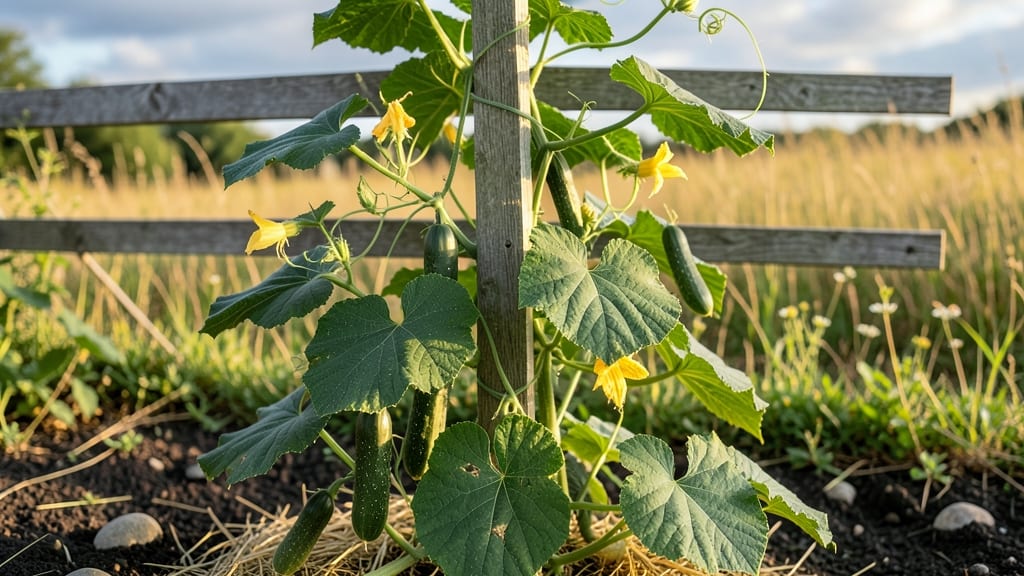
Watching the stages of cucumber growth pictures unfold from tiny seeds to vine-ripened fruit is one of gardening's most satisfying journeys. 🌱 The stages of cucumber growth—from delicate seedlings to sprawling vines heavy with fruit—reveal exactly where things can go right (or wrong) if you're not paying attention.
I've tracked every phase for years, and the difference between a thriving plant and a struggling one often comes down to spotting these key moments early.
First, you'll watch the seedling stage unfold over 10-14 days, where tiny leaves unfurl and roots dig deep. Then comes flowering, when bright yellow blooms appear—this is where pollination (or lack of it) determines your harvest.
By the time you see those first baby cucumbers forming, you're just weeks away from fresh, homegrown pickles or salads. Each stage has its own quirks: seedlings need gentle handling, flowers need pollinators, and fruit needs proper spacing to avoid disease.
The real magic happens when you recognize healthy growth: dark green leaves, sturdy stems, and fruit that's firm but not bitter. I've learned to watch for powdery mildew on leaves or stunted blooms—both red flags that need quick fixes.
By harvest time, you'll be snipping cucumbers at their peak, knowing every stage was worth the wait. The process teaches patience, and the payoff is worth every bit of it.
This guide breaks down each phase with what to expect, what to watch for, and how to troubleshoot common issues. Whether you're a first-timer or a seasoned grower, these visual cues will help you grow cucumbers that outperform store-bought every time.
Let's get started with the first signs of life in your garden.
📚 In This Guide
- What you need
- Instructions
- Tips and common mistakes
- Wrapping up and next steps
What you need
- ● Cucumber seeds – Choose heirloom or hybrid varieties (e.g., Straight Eight, Marketmore, or Lemon). Quantity: 3–5 seeds per plant (or pre-started seedlings if transplanting).
- ● Growing containers or garden bed – Containers: 5-gallon pots or larger (cucumbers need space!). Garden beds: Well-draining soil with 12–24" spacing between plants.
- ○ High-quality potting mix or garden soil – Specs: Lightweight, fertile, and amended with compost (avoid heavy clay). Optional add-ins: Perlite or vermiculite for drainage.
- ● Watering can or hose with a gentle spray nozzle – Cucumbers need 1–2 inches of water per week (consistency is key!).
- ● Fertilizer – Balanced option: 10-10-10 or 5-5-5 (follow package rates). Organic choice: Compost tea or worm castings.
- ● Trellis, cage, or stakes – Why? Cucumbers are vining plants! Use 5–6 ft tall supports for vertical growth (saves space and improves airflow).
- ● Mulch (straw or black plastic) – Helps retain moisture and suppress weeds. Thickness: 2–3 inches.
- ● Pruning shears – For trimming excess vines or yellowing leaves.
- ● pH test kit – Ideal soil pH: 6.0–6.8 (adjust with lime or sulfur if needed).
- ● Hand trowel or transplanter – For gentle seedling transfers.
- ● Row cover or shade cloth – Protects young plants from pests (e.g., cucumber beetles) or harsh sun.
- ○ Gloves – Optional but handy for handling prickly vines or soil.
Visual guide to cucumber growth stages from seed to harvest
Here's how to recognize each phase of cucumber development—so you'll know exactly what healthy growth looks like.
🌱 Step 1: Germination and Seedling Stage (Days 1-14)
The first signs appear when tiny white roots emerge from the seed, followed by a curled shoot breaking through the soil surface. You'll notice the seedling's first true leaves—small, rounded, and deep green—appear within 7-10 days after planting. These early leaves are your signal that the plant is establishing its root system.
Keep soil consistently moist but not soggy during this phase. If the soil surface dries out completely, germination slows or stops. Watch for the stem to develop a woody texture as it strengthens—this is when the plant becomes more resilient to handling.
🌿 Step 2: Vegetative Growth (Weeks 2-4)
Once the plant reaches 4-6 inches tall, you'll see rapid leaf production with larger, jagged-edged foliage forming. The main stem thickens and develops side branches, especially in the leaf axils. This is when cucumbers begin their climbing habit, so provide a trellis or stakes now if you haven't already.
Yellowing leaves at the base signal the plant is redirecting nutrients upward. Don't remove these lower leaves—they're still photosynthesizing. Focus instead on keeping the plant well-watered (1-1.5 inches per week) and fertilized with a balanced 10-10-10 formula every 2 weeks to support this growth spurt.
☀️ Step 3: Flowering Stage (Weeks 4-6)
Look for small yellow blooms appearing in clusters along the main stem and branches. Male flowers (with long stems) appear first, followed by female flowers (with tiny cucumbers forming at their base). You'll know a flower is female when you see a tiny bump at its base—this will develop into your cucumber.
Hand-pollinate if needed by gently brushing male flower stamens against female flower pistils with a paintbrush. For better yields, remove some male flowers to redirect the plant's energy toward female flowers. Keep plants well-watered during this stage—stress from dry soil can cause flowers to drop.
🍉 Step 4: Fruit Development (Weeks 6-8)
You'll first notice small, bumpy cucumbers forming at the base of female flowers. Healthy fruit grows 1-2 inches per day when conditions are ideal. The skin color shifts from pale green to the variety's mature hue—dark green for slicing types, lighter for pickling varieties.
Harvest when cucumbers reach 6-8 inches for slicing types or the size specified on your seed packet. Use pruning shears to cut the stem, leaving a small portion attached. Check plants every 2-3 days—overripe cucumbers turn yellow and bitter. Remove any deformed or misshapen fruit immediately to encourage more production.
⏰ Step 5: Maturity and Continuous Harvesting (Weeks 8+)
A mature cucumber plant produces fruit continuously until frost. You'll see new flowers forming even as you harvest cucumbers, creating a steady supply. The plant may slow down in late summer when temperatures exceed 90°F, but yields typically peak in mild 70-80°F conditions.
Prune older leaves and vines that turn yellow to improve airflow and prevent disease. Continue fertilizing lightly every 3 weeks with a 5-10-10 formula to maintain production. Watch for powdery mildew on leaves—remove affected foliage immediately and treat with neem oil if needed to keep the plant productive through the season.
Tips & tricks for perfect cucumber growth monitoring
Tracking your cucumber's progress from sprout to harvest doesn't have to be a guessing game—these insights will help you spot each stage with confidence.
Visual Identification: In Step 1, those first true leaves (not the initial seed leaves) are your best indicator of healthy germination. They should be deep green and appear within 7-10 days—if they're pale or slow to emerge, check your soil moisture and warmth. A good rule is to gently tug on the seedling: if it resists, roots are established; if it pulls out easily, it needs more time or better conditions.
Growth Milestone: During the Vegetative Growth phase (Weeks 2-4), focus on the plant's height and leaf structure. When it reaches 4-6 inches, you'll notice the main stem developing side branches—this is when cucumbers start their climbing behavior. Here's what I learned the hard way: don't prune those lower leaves just yet! They're still working hard to feed the plant's upward growth.
Flowering Insight: In Step 3, distinguishing male from female flowers is key. Male flowers have long stems and no cucumbers forming at the base, while female flowers have that tiny bump where fruit will develop. Pro tip: If you notice flowers dropping, it's usually due to stress—check your watering schedule first. Consistent moisture (1-1.5 inches per week) keeps flowers happy and productive.
Harvest Timing: For Step 4, the 6-8 inch size guideline works for most slicing varieties, but always check your seed packet for specific recommendations. Here's a trick I use: run your thumb along the cucumber's length—if you feel slight resistance, it's ready. Overripe cucumbers turn yellow and bitter, so check plants every 2-3 days during peak production.
Pro Tips for Stages Of Cucumber Growth Pictures
- Tracking your cucumber's progress from sprout to harvest doesn't have to be a guessing game—these insights will help you spot each stage with confidence.
- Visual Identification: In Step 1, those first true leaves (not the initial seed leaves) are your best indicator of healthy germination.
- Growth Milestone: During the Vegetative Growth phase (Weeks 2-4), focus on the plant's height and leaf structure.
Frequently asked questions
Got questions about growing cucumbers? You’re not alone! Here are some of the most common queries we hear—plus quick answers to help you grow like a pro.
How long does it take for a cucumber plant to produce fruit?
Most cucumber varieties take 50 to 70 days from seed to harvest, depending on the type (e.g., slicing vs. pickling). Vining varieties (like ‘Straight Eight’) may take longer, while bush types (like ‘Bush Champion’) mature faster. Check the seed packet for exact days!
Why are my cucumber leaves turning yellow?
Yellow leaves often signal overwatering, nutrient deficiency, or pests. Check for:
- Root rot: Soil too soggy? Reduce watering and improve drainage.
- Nitrogen deficiency: Feed with compost or a balanced fertilizer (10-10-10).
- Pests: Inspect undersides for aphids or spider mites—spray with neem oil if needed.
Can I grow cucumbers in containers, and what size pot do I need?
Cucumbers thrive in 5-gallon containers or larger (bush types need less space). Use a well-draining mix with compost, and choose trellising varieties (like ‘Spacemaster’) to save space. Just ensure the pot has drainage holes to avoid root rot.
What’s the difference between cucumbers and zucchini in the growth stages?
While both are in the Cucurbita family, their growth habits differ:
- Cucumbers: Fast-growing (50–70 days), produce long, cylindrical fruits on vines.
- Zucchini: Slower (45–55 days), grows large, round fruits on bushy plants. Zucchini flowers are yellow; cucumbers are yellow or orange.
Can cucumbers survive a light frost?
Nope! Cucumbers are tender annuals and die in temps below 50°F (10°C). Start seeds indoors 2–3 weeks before last frost or use row covers for young plants. If frost hits, harvest what you can and replant after warm weather returns.
Pro Tip: Speed up germination by soaking seeds in warm water for 4–6 hours before planting!
Wrapping up and next steps
Watching cucumbers grow from tiny seeds to crisp, vine-ripened vegetables is like nature’s own time-lapse magic! 🌱 Whether you’re a seasoned gardener or a curious beginner, understanding each stage—from sprouting to harvest—helps you nurture healthier plants and bigger yields.
Now that you’ve got the visual guide, it’s time to roll up your sleeves, grab those gardening gloves, and put your new knowledge into action.
Ready to grow your own cucumbers? Start by picking a sunny spot, prepping your soil, and planting those seeds with confidence. And if you hit a snag? Don’t stress—your FAQs are just a scroll away! Happy gardening! 🌿