
Vegetables
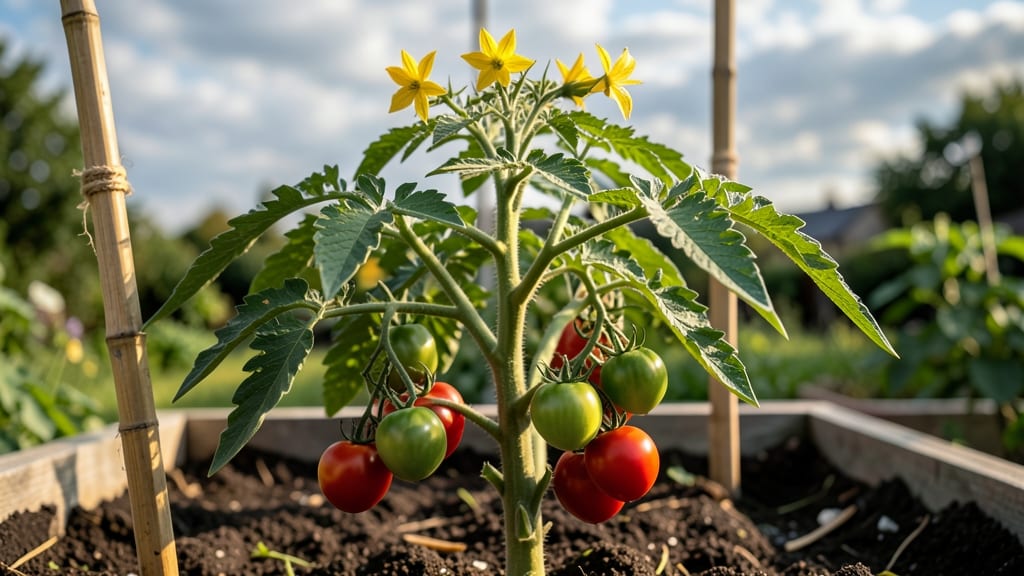
Growing the Bonny Best tomato feels like discovering a secret garden treasure—it’s a perennial variety that keeps getting better each year with almost no effort from you. 🌱 Unlike annual tomatoes that need replanting, this one returns stronger, producing heirloom-quality fruit for years if you give it the right start.
The first year might be modest, but by year two, you’ll wonder why you ever bought seedlings when this one grows itself. This tomato thrives in well-draining soil with full sun (at least 6-8 hours daily) and surprisingly drought-tolerant once established.
The key is mulching heavily in summer to retain moisture and prevent soil-borne diseases—it’s naturally resistant to many common tomato ailments, which means fewer chemical interventions. Prune aggressively in early spring to encourage bushier growth, and you’ll end up with vibrant red fruit that tastes sweeter than store-bought varieties.
What makes it truly special is how low-maintenance it is after the first year. Once the roots are settled, it handles heat waves and occasional neglect better than most tomatoes.
You’ll harvest juicy, flavorful slices straight from the vine for years, and the plants themselves become thicker and more productive with each passing season. Perfect for gardeners who want reliable yields without the annual replanting hassle.
For best results, plant in early spring before the last frost, and fertilize lightly with compost in early summer. Avoid overwatering—this tomato prefers consistent moisture but hates soggy roots. If you’re in a colder climate, protect young plants with row covers until temperatures stabilize. The payoff?
A self-sustaining tomato plant that outpaces annual varieties in both flavor and convenience.
📚 In This Guide
- What you need
- Instructions
- Tips and common mistakes
- Wrapping up and next steps
What you need
- ● Seeds or Seedlings: Bonny Best tomato seeds (or 2–3 healthy seedlings from a trusted nursery).
- ● Containers or Garden Space: 5-gallon pots (1 per plant) or
- ● A raised bed (4’x8’ minimum, with 12” depth) or
- ● In-ground plot (full sun, 6+ hours daily).
- ● Potting Mix: High-quality, well-draining tomato-specific mix (avoid garden soil—it compacts!).
- ● Fertilizer: Balanced 10-10-10 fertilizer (start with 1 tbsp per plant).
- ● Compost or worm castings (1 cup per plant at planting).
- ● Stakes or Cages: 6–8 ft tomato cages or bamboo stakes + soft ties.
- ● Mulch: Straw or shredded leaves (2–3 inches thick to retain moisture).
- ● Watering Can or Hose: With a gentle spray nozzle (drip irrigation is ideal!).
- ● Pruning Shears: Sharp, sterilized shears for trimming suckers.
- ● Mycorrhizal Fungi: Boosts root health (mix into soil at planting).
- ● Epsom Salt: 1 tbsp per plant mid-season for magnesium (prevents yellowing).
- ● Row Covers: Lightweight fabric to protect from early frost or pests.
- ● pH Test Kit: Aim for 6.0–6.8 (Bonny Best thrives in slightly acidic soil).
How to grow Bonny Best tomatoes for maximum yield
This is the method I swear by for growing the most productive Bonny Best tomato plants—hardy, disease-resistant, and packed with flavor every season.
🌱 Step 1: Select the Perfect Planting Spot
Bonny Best tomatoes thrive in full sun—at least 8 hours daily. Choose a location with shelter from strong winds and well-draining soil. I always test my soil first: dig a 6-inch hole, fill it with water, and wait. If it drains within 4 hours, it's perfect. If not, amend with compost to improve drainage.
This variety handles partial shade better than most heirlooms, but you'll see the biggest yields when they get morning sun and afternoon shade in hot climates. The key is avoiding scorched leaves while maximizing photosynthesis. If your yard has rocky soil, mix in 2-3 inches of compost before planting to give roots room to spread without struggling.
🪴 Step 2: Plant at the Right Depth and Stagger Timing
Bonny Best tomatoes are indeterminate, so I plant them 1 inch deeper than their nursery pots to encourage strong root systems. Bury the stem up to the first set of leaves—this triggers root growth along the buried portion. Space plants 2-3 feet apart in rows 3 feet apart to allow airflow and prevent disease.
Here's the trick I learned the hard way: stagger planting dates by 2 weeks for a continuous harvest. Start the first batch 2-3 weeks after your last frost date when soil reaches 60°F. The second batch will keep producing while the first plants mature. Watch for dark green, wrinkled leaves—that's your sign the soil is ready.
☀️ Step 3: Support and Train for Maximum Growth
Install 6-foot tomato cages or sturdy stakes at planting time. I prefer cages because they're easier to install and don't require tying. As the plant grows, gently weave the main stem through the cage wires every 12 inches. This prevents the plant from leaning and encourages upward growth.
Remove suckers—the little shoots that form in the leaf axils—regularly. These saplings divert energy from fruit production. Pinch them off when they're 2-3 inches long with your thumb and forefinger. You'll see stronger stems and more tomatoes if you stay on top of this. Prune lower leaves that touch the soil to prevent disease and improve airflow.
💧 Step 4: Water Deeply and Consistently
Bonny Best tomatoes need 1-1.5 inches of water weekly, delivered at the base of the plant. I water deeply 2-3 times per week rather than daily shallow watering. This encourages deep root growth and prevents blossom-end rot. The soil should feel dry 1 inch below the surface before watering again.
Water in the morning to allow foliage to dry before evening. Wet leaves overnight invite fungal diseases like early blight. Use a soaker hose or drip irrigation to keep water off the leaves. You'll notice healthier plants and fewer issues with cracked fruit if you maintain consistent moisture without overwatering.
✂️ Step 5: Harvest and Prune for Next Year's Growth
Harvest tomatoes when they're fully colored and slightly soft to touch. Gently twist them from the vine to avoid damaging the plant. I pick every 2-3 days during peak season to encourage more production. Leave a 1-inch stem attached to prevent rot.
After the first frost, cut the plant back to 6 inches tall and remove all fruit. The plant will go dormant, but the roots remain alive underground. Mulch heavily with 4-6 inches of straw to protect roots from freezing. In spring, new shoots will emerge from the base—these are your second-year plants, which often produce even more fruit than the first year.
Tips & tricks for perfect Bonny Best tomato growth
These game-changing strategies will help you coax even more yield from your Bonny Best plants while keeping them thriving year after year.
Soil Prep Secret: Before planting, mix in 2-3 inches of compost for rocky soil—but don't stop there. Add a handful of aged manure or worm castings to the planting hole itself. This nutrient boost gives roots an instant energy source, and the extra organic matter improves moisture retention. The 4-hour drainage test is critical: if water pools longer, add perlite or coarse sand to prevent root rot.
Staggered Planting Hack: That 2-week interval between batches creates a harvest buffer, but here's the pro move: plant your second batch 10 days after your first. This overlaps the harvest windows perfectly so you never have a lull. Watch for those dark green, wrinkled leaves—they're nature's way of saying "soil's ready," but if your area has unpredictable springs, consider using a soil thermometer to confirm 60°F before planting.
Pruning Precision: When removing suckers (those 2-3 inch shoots), use your thumb and forefinger to pinch them cleanly at the base. This prevents tearing and minimizes stress on the plant. I also recommend pruning lower leaves that touch soil every 2 weeks during peak growth—this improves airflow and dramatically reduces fungal diseases. The 12-inch weave through cage wires keeps stems sturdy, but if you notice leaning, add a soft tie to the cage for support.
Watering Wisdom: Those 1-1.5 inches weekly are non-negotiable, but timing matters more than you'd think. In hot climates, split the 2-3 waterings into morning and late afternoon to prevent sunburn on leaves. For container growing, add 1 inch extra weekly since pots dry out faster. And here's the trick: water until you see moisture 6 inches deep—use a long screwdriver to check. This encourages roots to grow downward where they'll find more stability.
Pro Tips for Bonny Best Tomato
- These game-changing strategies will help you coax even more yield from your Bonny Best plants while keeping them thri...
- Soil Prep Secret: Before planting, mix in 2-3 inches of compost for rocky soil—but don't stop there. Add a handful of...
- Staggered Planting Hack: That 2-week interval between batches creates a harvest buffer, but here's the pro move: plan...
Frequently asked questions
How long does it take for Bonny Best tomatoes to produce fruit?
The first year, you might see a few small fruits late in the season (think late summer or early fall), but don’t expect a full harvest. Bonny Best is a perennial, so it really shines in its second and third years—when it can produce hundreds of tomatoes! Patience pays off with this variety.
Can I grow Bonny Best tomatoes in containers?
While they thrive in the ground, Bonny Best tomatoes can also grow in large containers (at least 15-gallon pots) with proper drainage. Use a high-quality potting mix and fertilize regularly. Just be sure to prune aggressively to prevent overcrowding and support the vines with a sturdy trellis.
How do I protect Bonny Best tomatoes in winter?
Since Bonny Best is perennial, it needs winter protection in colder climates (below Zone 7). Mulch heavily with straw or leaves, and consider wrapping the base with burlap or a cloche. In extreme cold, cut back vines to 6 inches and cover with insulated row covers or a cold frame.
What’s the best way to use Bonny Best tomatoes in cooking?
These tomatoes are sweet, meaty, and low-acid, making them perfect for raw slicing, bruschetta, or roasting. They also shine in sauces, soups, and salsas—just avoid recipes calling for high-acid tomatoes (like pasta sauce with added vinegar). Bonus: Their thick skin holds up well to grilling!
Why aren’t my Bonny Best tomatoes ripening?
If your tomatoes stay green or small, check these fixes:
- Sunlight: Ensure they get 6+ hours of direct sun daily.
- Water: Keep soil consistently moist (not soggy).
- Fertilizer: A balanced, low-nitrogen feed (like 5-10-10) can help.
- Pruning: Overcrowded vines stress plants—prune aggressively to improve airflow.
Wrapping up and next steps
Growing Bonny Best tomatoes is a rewarding journey—once you plant these resilient perennials, they’ll thrive year after year with minimal effort! Their self-sustaining nature and bold flavor make them a garden superstar, perfect for both beginners and seasoned green thumbs. 🌱
Ready to level up your harvest? Start by gathering your supplies and planting your first batch this season. Watch as your Bonny Best plants surprise you with bigger, tastier tomatoes—every single year!