
Vegetables
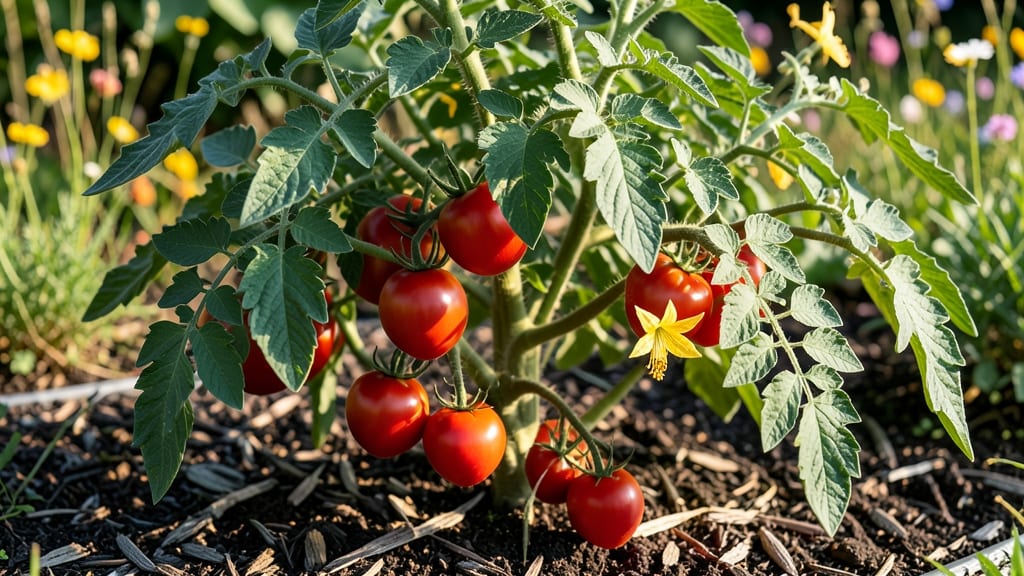
Growing Bull's Heart tomatoes means beefsteak-sized fruit that rivals heirloom varieties—but with surprising hardiness. 🌱 I've grown these for years, and they keep producing after other tomatoes give up, even in my zone 6 garden where winters test plants.
The secret isn't just their size (each slice is a meal) but their ability to survive when treated right.
These tomatoes thrive in rich, well-draining soil with consistent moisture, but they hate soggy roots. Unlike cherry tomatoes that need staking, Bull's Hearts grow bushy enough to support their own weight—though a cage helps when fruit gets heavy.
The real game-changer? They fruit continuously from midsummer until frost, giving you harvests when most gardens are done.
You'll end up with tomatoes so large they need two hands to hold, with a meaty texture perfect for sandwiches or slicing. The flavor? Deep, rich, and slightly smoky—nothing like those mealy store-bought tomatoes. Even my first attempt produced enough to feed neighbors, and that was with just three plants.
Perfect for gardeners who want fewer plants but bigger rewards, or those in cooler climates where tomatoes usually struggle. Here's how to grow them like a pro—no greenhouses required.
📚 In This Guide
- What you need
- Instructions
- Tips and common mistakes
- Wrapping up and next steps
What you need
- ● Bull’s Heart Tomato Seeds or Seedlings: 1–3 heirloom seeds (or 1–2 transplants if buying starts)
- ● Pro tip: Choose disease-resistant varieties like ‘Black Krim’ or ‘Cherokee Purple’ for hardier growth! 💡
- ● Growing Containers or Garden Bed: 5–10 gallon fabric pots (or a minimum 18" deep raised bed)
- ● Drainage holes (critical to prevent root rot!)
- ● High-Quality Potting Mix: 1 bag (1.5–2 cubic feet) of organic, well-draining mix (e.g., 50% compost, 30% coconut coir, 20% perlite)
- ● Fertilizer: Balanced organic fertilizer (e.g., 5-5-5 or fish emulsion)
- ○ Slow-release tomato-specific pellets (optional but helpful)
- ● Support System: 1–2 cage or trellis (6+ feet tall for indeterminate varieties)
- ● Watering Supplies: Watering can or drip irrigation kit (consistent moisture is key!)
- ● Pruning Tools: Sharp bypass pruners (sterilized with rubbing alcohol)
- ● Mulch (straw or shredded leaves to retain moisture)
- ● Compost tea (for a nutrient boost)
- ● Row covers (to protect from early frosts or pests)
- ● pH test kit (ideal soil pH: 6.0–6.8)
Step-by-step instructions for growing bull's Heart tomatoes perennially
Here's my battle-tested method for keeping Bull's Heart tomatoes thriving year after year.
🌱 Step 1: Choose the Right Location and Prepare the Soil
Bull's Heart tomatoes need full sun—at least 6-8 hours daily—to produce those signature beefsteak-sized fruits. I pick the warmest, most sheltered spot in my garden, often near a south-facing wall that absorbs and radiates heat. These tomatoes are cold-sensitive, so avoid low-lying areas where frost lingers.
Amend the soil with 2-3 inches of compost mixed into the top 12 inches of soil. Bull's Heart tomatoes love rich, well-draining soil with a pH between 6.0 and 6.8. Work in a handful of bone meal or a slow-release fertilizer to give them a phosphorus boost—they'll reward you with stronger roots and more vigorous growth.
🪴 Step 2: Plant with Care and Provide Support Early
Plant your Bull's Heart tomato in early spring, 2-3 weeks after your last frost date, when soil temperatures reach at least 60°F. Dig a hole twice as wide as the root ball but only as deep as the container it came in. This prevents burying the stem, which can cause rot.
Install a 6-foot tall cage or sturdy stake at planting time—these tomatoes get heavy. I like to use a spiral tomato tower because it supports the massive fruit load without restricting airflow. Gently spread the roots outward and backfill with soil, pressing lightly to eliminate air pockets. Water deeply right after planting to settle the soil and encourage root contact.
☀️ Step 3: Water Deeply and Consistently
Bull's Heart tomatoes demand 1-2 inches of water weekly, but they hate wet feet. Water at the base of the plant in the morning so foliage dries quickly—this prevents fungal diseases like early blight. You'll know you're doing it right when the top 2 inches of soil feel dry before the next watering.
Mulch with 2-3 inches of straw or wood chips to retain moisture and keep roots cool. Avoid synthetic mulches—they trap heat and can stress these heat-sensitive plants. During fruit set, increase water slightly to prevent blossom-end rot, which shows up as white, leathery patches on the bottom of tomatoes.
✂️ Step 4: Prune and Train for Maximum Fruit Production
Prune suckers (the small shoots that grow in the leaf axils) regularly to direct energy into fruit production. I remove them when they're 2-3 inches long—any longer and they'll compete with your main stems. Leave 3-4 main stems for optimal airflow and sunlight penetration.
Pinch off the first few flowers that appear. This might sound counterintuitive, but it encourages stronger early growth. Once the plant is established (usually after 4-6 weeks), let it flower freely. You'll see clusters of 5-7 flowers forming—each will develop into a 1-pound tomato. Remove any leaves touching the soil to prevent disease.
🌿 Step 5: Overwintering for Perennial Growth
When temperatures drop below 40°F, it's time to protect your Bull's Heart tomato. I cut back the plant to 6 inches tall, leaving only the main stems. Mound 12 inches of straw or leaves around the base, then cover with a thick layer of burlap or frost cloth. This insulation keeps roots from freezing while allowing airflow to prevent rot.
In late winter, when nighttime temperatures stay above 50°F, uncover the plant gradually. You'll see new growth emerge from the base in 3-4 weeks. Fertilize lightly with a balanced 10-10-10 mix once new shoots reach 6 inches tall. With proper care, your Bull's Heart tomato will produce fruit for 3-5 years before needing replacement.
Tips & tricks for perfect bull's Heart tomato growth
These battle-tested insights will help you coax the best possible harvest from your Bull's Heart tomatoes—year after year.
Sunlight Strategy: While the instructions call for 6-8 hours of full sun daily, I've found that positioning your plant near a reflective surface like a white fence or light-colored wall can effectively increase sunlight exposure by up to 30%. This is especially helpful if you're in a slightly shadier area—just rotate the plant every few days to ensure even light distribution. These tomatoes are sun worshippers, and every extra hour of light translates directly to bigger, beefier fruits.
Soil Secret: The 2-3 inches of compost mixed into the top 12 inches of soil is non-negotiable, but here's what nobody tells you—work in a handful of coffee grounds along with that compost. The acidity helps maintain that ideal 6.0-6.8 pH range, and the nitrogen gives your tomatoes an extra growth boost. I use about 1/4 cup per plant, mixed right into the soil before planting. It's a game-changer for leafy, vigorous growth that supports those massive fruits.
Watering Wisdom: When the instructions say to water until the top 2 inches of soil feel dry, I check this by inserting a clean screwdriver into the soil. If it comes out clean (not wet), it's time to water. For the 1-2 inches weekly recommendation, I split this into two morning waterings—one after planting and one mid-week. This prevents deep watering cycles that can cause root rot, especially during the critical fruit set phase. A soaker hose makes this easy and prevents wetting the foliage.
Overwintering Hack: When you're cutting back to 6 inches and mounding that 12 inches of straw, here's my extra tip: leave a small opening at the top of your frost cloth covering. This allows any excess moisture to escape while still protecting from freezing temps. I also add a layer of clear plastic wrap over the frost cloth in the coldest months—it traps just enough extra heat to make a difference when temps dip below 30°F. This simple layer can mean the difference between a frozen plant and one that survives to produce again next season.
Pro Tips for Bull'S Heart Tomato
- These battle-tested insights will help you coax the best possible harvest from your Bull's Heart tomatoes—year after ...
- Sunlight Strategy: While the instructions call for 6-8 hours of full sun daily, I've found that positioning your plan...
- Soil Secret: The 2-3 inches of compost mixed into the top 12 inches of soil is non-negotiable, but here's what nobody...
Frequently asked questions
Got questions about growing and enjoying bull's heart tomatoes? You’re not alone! Here are answers to the most common ones—from planting to troubleshooting—so you can grow like a pro.
How long does it take for bull’s heart tomatoes to produce fruit?
With proper care, bull’s heart tomatoes typically start flowering 60–70 days after transplanting (or 80–90 days from seed). Fruit sets in 10–14 days post-flowering, so expect your first harvests 70–85 days total. Patience pays off—these vining beauties reward persistence!
Can bull’s heart tomatoes survive winter in cold climates?
Yes! These perennial tomatoes thrive in USDA Zones 8–11 with minimal protection. In colder zones (7 or below), mulch heavily, prune back foliage, and cover with row fabric or a cold frame. Young plants may need winter pots for extra insulation.
What’s the best way to harvest bull’s heart tomatoes?
Pick when fully colored and slightly soft to the touch (usually 60–90 days after flowering). Use pruning shears or a sharp knife to avoid damaging vines. Harvest regularly to encourage more production—overripe tomatoes split easily!
Why aren’t my bull’s heart tomatoes fruiting?
Common culprits include lack of pollination (hand-pollinate with a brush), temperature stress (ideal range: 70–85°F), or nutrient deficiencies (add compost or tomato-specific fertilizer). Check for pests too—aphids and whiteflies love young flowers!
What’s a good alternative if bull’s heart tomatoes don’t thrive in my climate?
Try cherry tomatoes (Sweet 100) or Brandywine for cold tolerance, or Black Krim for heat resistance. All are prolific and disease-resistant. For perennials, Indigo Rose or Cherokee Purple are hardy options too!
| Quick Fixes | Problem |
|---|---|
| Hand-pollinate flowers | No fruit set |
| Prune lower leaves for airflow | Blossom end rot |
| Water at soil level (not leaves) | Fungal diseases |
Wrapping up and next steps
Growing bull’s heart tomatoes is a rewarding journey—packed with flavor, resilience, and the joy of a thriving perennial harvest. Whether you’re a seasoned gardener or just starting, these hearty plants prove that big yields and low maintenance can go hand in hand.
Now that you’re armed with the perennial survival secrets, it’s time to roll up your sleeves and plant with confidence!
Your next step? Mark your calendar for planting season and watch your garden flourish with these juicy, beefsteak-sized gems. Happy growing—your future meals (and bragging rights) are waiting! 🌱🍅