
Companion Plants
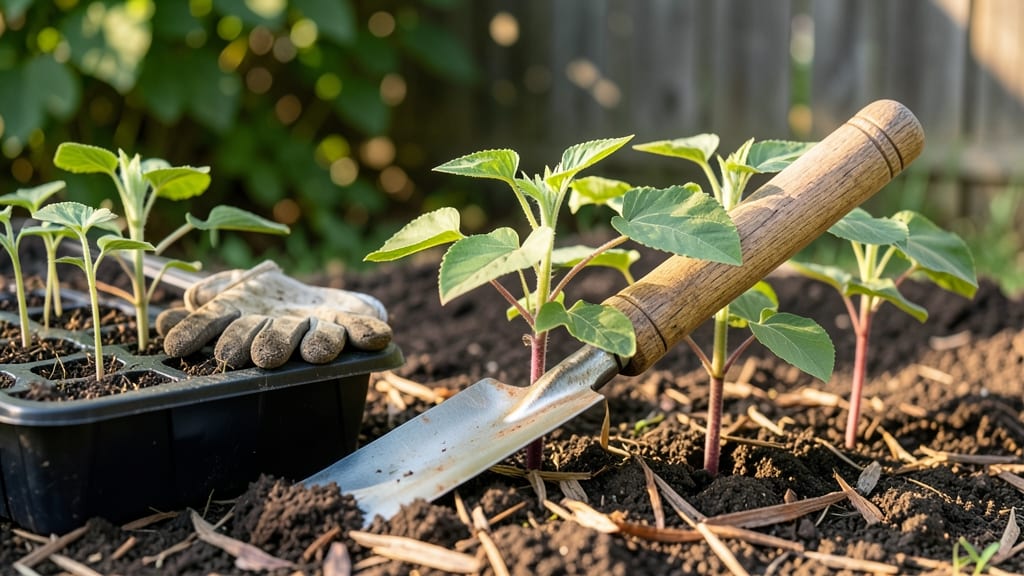
You can plant sunflowers in July, but timing and variety matter more than you might think 🌻 — especially if you want those towering blooms to make it through the season.
Picture this: late July heat waves, your seedlings struggling to sprout, and the thought that you’ve missed the boat. But here’s the truth—sunflowers are tougher than they look, and with the right approach, you can still grow a standout garden feature.
The key is choosing fast-maturing varieties and giving them the care they need to beat the odds.
In USDA Zone 6a, where summers stretch long and hot, July planting is doable if you act quickly. The trick? Start with seeds that promise blooms in 60-70 days, so they can mature before the first frost hits around mid-October.
Varieties like ‘Moulin Rouge’ or ‘Autumn Beauty’ are your best bets—they’re bred to handle the heat and still deliver stunning color.
Below, I’ll walk you through the exact steps to plant sunflowers in July, from soil prep to watering hacks that keep your plants thriving. You’ll also discover how container gardening can be a game-changer if your ground is too hot or dry for traditional planting.
July sunflower planting: what you need to know before starting
Planting sunflowers in July isn't ideal, but it's absolutely possible with the right varieties and care strategies. Most gardeners plant in spring, but late-season sunflowers can still thrive if you account for shorter daylight and heat stress. The key is choosing fast-maturing varieties and preparing your soil properly.
Sunflowers planted in July will have less time to grow before cooler weather arrives, so prioritize dwarf or semi-dwarf varieties that mature in 60-75 days. These won’t reach the towering heights of their spring-planted cousins, but they’ll still deliver vibrant blooms and seeds.
Regions with longer growing seasons (USDA zones 8+) have more flexibility than cooler climates.
Your first decision should be location and climate. In southern states like Texas or Florida, July heat is manageable, while northern gardeners in USDA zones 3-5 may need to rush their planting or opt for container gardening.
Always check your last frost date—you’ll need at least 8-10 weeks of warm weather for a successful harvest.
Soil preparation is non-negotiable for July sunflowers. Start by testing your soil’s pH level—sunflowers prefer slightly acidic to neutral soil (6.0-7.0). Amend heavy clay soils with sand or compost to improve drainage, as waterlogged roots can lead to rot.
Work in 2-3 inches of compost or well-rotted manure to provide essential nutrients for rapid growth.
One of the biggest challenges with late-season planting is heat stress on young seedlings. If temperatures consistently exceed 90°F (32°C), consider using shade cloth (30-50%) until plants are established.
Mulching with straw or wood chips helps retain moisture and keeps roots cool. Avoid synthetic mulches, which can trap heat and harm delicate seedlings.
Sunflowers planted in July will enter their flowering stage quickly, so be prepared for rapid growth. Expect your plants to reach 3-5 feet tall in just 6-8 weeks, depending on the variety.
This means you’ll need to monitor for pests like sunflower moths and disease risks such as powdery mildew, which thrive in warm, humid conditions.
For gardeners in cooler climates (zones 3-5), container gardening is your best bet. Use 5-gallon pots with drainage holes and plant 1-2 seeds per container. Move pots to a sunny spot and bring them indoors if frost threatens.
This method gives you control over soil temperature and moisture, increasing your chances of success.
Harvest timing is critical with late-season sunflowers. Since they’ll mature faster, watch for petals to droop and the back of the flower head to turn yellow-brown. At this stage, the seeds are ready for harvest.
Cut the stem 2-3 inches above the flower head and hang it upside down in a dry, dark place to finish drying for 1-2 weeks before shelling.
Don’t let July’s heat deter you—with the right varieties, soil prep, and careful watering, you can still enjoy a stunning sunflower display. Even if your plants don’t grow as tall as spring-planted ones, the vibrant blooms and edible seeds make it worth the effort. Happy gardening!
Step-by-step guide: how to plant sunflowers in July for maximum success
Planting sunflowers in July is absolutely doable if you adjust your approach to the late-season heat and shorter daylight hours. The key is to choose the right varieties, prep your soil properly, and protect young plants from stress.
With these steps, you’ll give your sunflowers the best shot at reaching their full, towering potential before the first frost.
July planting means your sunflowers will grow faster in warm soil, but they’ll also face intense afternoon sun and potential drought. By following this guide, you’ll avoid common pitfalls like weak stems or stunted growth.
Let’s dive into the actionable steps to ensure your sunflower garden thrives even in the dog days of summer.
🌱 Step-by-Step Guide to Planting Sunflowers in July
- 1 Choose the right varieties: Opt for fast-maturing varieties like 'Autumn Beauty' or 'Moulin Rouge,' which can bloom in as few as 60-75 days. These varieties thrive in warm soil and shorter days.
- 2 Prepare your soil: Test your soil’s drainage and amend with compost to improve fertility. Sunflowers love loose, well-draining soil rich in organic matter. Aim for a pH between 6.0 and 7.0 for optimal growth.
- 3 Plant seeds at the right depth: Sow seeds 1 inch deep and space them 6 inches apart in rows 2-3 feet apart. This spacing prevents overcrowding and gives roots room to establish.
- 4 Water deeply and consistently: Water your seeds every 2-3 days to keep the soil moist but not soggy. Use a drip irrigation system or water early in the morning to reduce evaporation and fungal risks.
- 5 Apply mulch to retain moisture: Spread 2-3 inches of mulch around each plant to lock in moisture and regulate soil temperature. Use straw or shredded leaves to keep the soil cool and prevent weed competition.
- 6 Protect young plants from heat stress: Use shade cloth or plant near taller crops to provide afternoon shade. Avoid fertilizing heavily, as this can stress plants in hot weather.
- 7 Monitor for pests and diseases: Watch for aphids or powdery mildew, which thrive in hot, humid conditions. Spray plants with neem oil or a soapy water solution if you spot signs of infestation.
One of the biggest mistakes gardeners make when planting sunflowers in July is overcrowding seeds. Tight spacing leads to competition for nutrients and water, resulting in weak, leggy plants. Stick to the 6-inch spacing to give each plant room to grow strong stems and vibrant blooms.
Another critical tip is to avoid nighttime watering. Watering at night can trap moisture on leaves, increasing the risk of fungal diseases like powdery mildew. Instead, water in the early morning to allow leaves to dry quickly and reduce disease pressure.
With these steps, your July-planted sunflowers will have the best chance to reach maturity before the first frost. Even if they don’t bloom as large as spring-planted varieties, you’ll still enjoy cheerful, towering stems that add height and drama to your garden until fall.