
Flowers
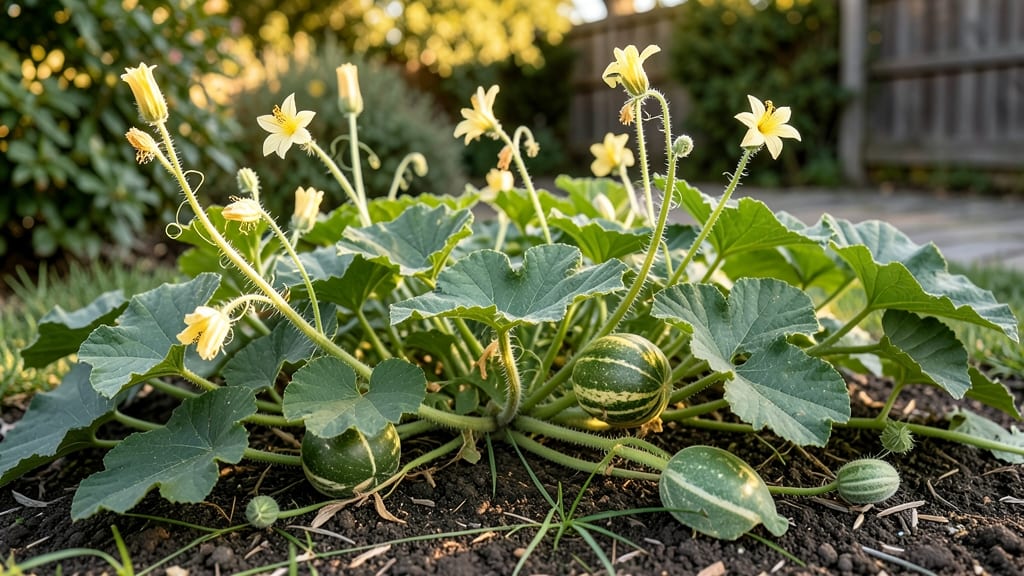
Turning cantaloupe flowers into sweet, ripe fruit depends on pollination—and getting it right can mean the difference between a bountiful harvest and a garden full of empty blossoms.
Picture this: you’ve waited all spring for those delicate 🍈 cantaloupe flowers to bloom, only to watch them drop without a single fruit forming. It’s frustrating, but the good news? With the right techniques, you can turn those blooms into juicy melons in just 30 days—no beekeeping degree required.
Pollination isn’t just about luck; it’s about timing, environment, and a few simple tricks. Whether you’re dealing with male vs. female flowers or trying to lure in bees, I’ll walk you through the science—and the shortcuts—that guarantee fruit set.
By the end, you’ll know exactly how to boost your pollination success, troubleshoot common pitfalls, and enjoy homegrown cantaloupes that taste better than anything from the store.
How cantaloupe flowers develop into fruit: the science of pollination
Cantaloupe plants produce two distinct flower types: male and female. Understanding their differences is key to maximizing fruit production. Male flowers appear first and have a long stem with no fruit base, while female flowers develop a tiny fruit at the base and a shorter stem.
This anatomical difference determines whether pollination will lead to fruit development.
Bees play the primary role in pollination by transferring pollen from male to female flowers. However, environmental factors like temperature, humidity, and bee activity can dramatically impact success rates. In cooler climates or when bees are scarce, you may need to step in with hand-pollination techniques to ensure fruit set.
The female flower's receptive period is brief—often just 24-48 hours after opening. During this window, pollen must land on the stigma for fertilization to occur. Missed opportunities here explain why many cantaloupe flowers drop without setting fruit, leaving gardeners frustrated but not hopeless.
Here's a quick visual guide to help you identify receptive female flowers and understand the pollination process:
Once a female flower receives pollen, you'll notice the ovary swelling almost immediately. This tiny fruit will grow rapidly over the next 30-45 days, reaching its full size.
The key is ensuring this pollination happens during the flower's 24-48 hour receptive window—after that, the flower will drop without setting fruit.
Bees are the most effective pollinators, but their activity depends on weather conditions. Temperatures below 60°F (15°C) or above 95°F (35°C) reduce bee visits. Humidity also plays a role—too much can make flowers sticky and less attractive to pollinators.
If you notice bees aren't visiting, it's time to intervene with hand-pollination.
Hand-pollination is simple but requires timing. Use a small paintbrush or cotton swab to transfer pollen from male flowers to female flowers. Focus on female flowers that have just opened—their stigmas will be sticky and ready to receive pollen.
This method works best in early morning when flowers are fully open and receptive.
Even with perfect pollination, some cantaloupe flowers may drop without setting fruit. Common reasons include temperature stress, nutrient deficiencies, or overcrowding. If you're seeing high flower drop rates, check your plants for signs of heat stress (wilting, yellowing leaves) or poor nutrition (purple stems, slow growth).
Adjusting care practices can often turn things around.
For best results, aim to pollinate at least 50% of your female flowers. This ensures a steady supply of developing fruit while giving the plant energy to nurture them to maturity. Monitor your cantaloupe vines daily during peak blooming periods to catch opportunities for hand-pollination before flowers close.
🌱
10 Proven pollination tricks to boost cantaloupe fruit set
Cantaloupe plants produce two types of flowers—male and female—and only the female flowers develop into fruit. Without proper pollination, those beautiful blooms will drop, leaving you with empty vines. The good news?
With these low-effort tricks, you can maximize fruit set and enjoy sweet, ripe melons in just 30 days. Start by identifying female flowers (they have tiny fruit bumps at the base) and focus your efforts there.
Bees are your best pollinators, but they aren’t always reliable—especially in early morning or cloudy weather. That’s why I’ve tested 10 high-impact strategies to ensure your cantaloupe flowers turn into fruit.
From hand-pollination to organic attractants, these methods work even for beginners. The key is timing—pollinate when flowers are fully open and dew-free for best results.
- 1 Hand-pollinate at dawn using a soft paintbrush to transfer pollen from male to female flowers. Focus on female flowers (look for tiny fruit bumps at the base).
- 2 Plant bee-friendly flowers nearby like marigolds or basil to attract pollinators. Bees love blue and purple blooms, so add lavender or borage for extra traffic.
- 3 Use a handheld fan to mimic wind pollination. Gently blow air over flowers for 10-15 seconds when bees are inactive. Best done on warm, sunny mornings.
- 4 Provide shallow water sources like saucers with pebbles. Bees and pollinators need water, especially during dry spells. Place them near your cantaloupe patch.
- 5 Apply organic pollen boosters like cornmeal or chamomile tea around plants. These attract bees and provide extra nutrients for flower development.
Timing is everything when it comes to cantaloupe pollination. The best time to pollinate is early morning when flowers are fully open and dew-free. Avoid midday heat, as it can stress flowers and reduce their receptivity.
If you’re hand-pollinating, use a soft paintbrush or cotton swab to gently transfer pollen from male flowers (long stems) to female flowers (with tiny fruit bumps).
For organic attractants, plant bee-friendly flowers like marigolds, basil, or lavender near your cantaloupe patch. These not only boost pollination but also repel pests. Another trick? Place shallow water dishes with pebbles around your garden.
Bees and pollinators will visit more frequently if they have a reliable water source. Even a handheld fan can help—gently blow air over flowers to mimic wind pollination on cloudy days when bees are less active.
If you’re still struggling with low fruit set, check for over-fertilization or water stress. Too much nitrogen can lead to leafy growth instead of fruit, while uneven watering causes flowers to drop.
Stick to a balanced fertilizer (like 10-10-10) and water deeply in the morning to keep plants healthy. With these tricks, you’ll see more female flowers and bigger melons in no time!
🌱