
Vegetables
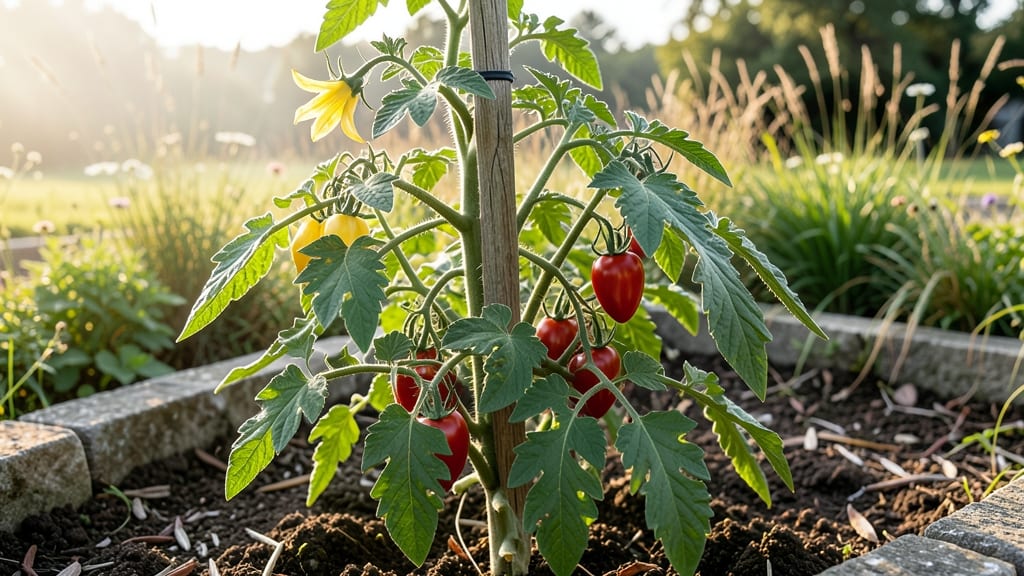
Growing cat face tomatoes transforms your patio into a showstopper with their bold striped fruits and sweet-tart flavor. 🌱 These heirloom beauties aren’t just pretty—they’re productive in containers, perfect for small spaces or balconies where traditional tomatoes struggle.
My first harvest had me snapping photos of the striped orbs before I could even taste them, and now I grow at least three plants every season.
The secret to their success lies in 5-gallon containers filled with well-draining soil and a sturdy trellis—no sprawling vines here. They thrive in full sun (6+ hours daily) and need consistent watering, but the real magic happens when you prune aggressively to focus energy on fruit production.
Unlike slicing varieties, cat face tomatoes ripen slower, so patience pays off with deep, complex flavors that taste like summer in every bite.
You’ll start seeing those signature cat-faced fruits by mid-summer, with vines heavy enough to bend trellises. The striped pattern darkens as they ripen, making them a conversation piece at farmers' markets or family gatherings. Plus, they handle container life better than most heirlooms, meaning fewer pests and diseases to battle.
Best of all, these tomatoes self-pollinate reliably, so you won’t need to hand-pollinate like with some other heirlooms. Save seeds from your best fruits for next year—just let a few overripe on the vine first. Whether you’re growing for show or taste, cat face tomatoes deliver both in spades.
📚 In This Guide
- What you need
- Instructions
- Tips and common mistakes
- Wrapping up and next steps
What you need
- ● Cat Face Tomato Seeds or Seedlings: Choose Solanum lycopersicum 'Cat Face' or similar striped heirloom varieties (e.g., 'Striped Roman,' 'Black Krim').
- ● Quantity: 2–4 seeds per container (or 1–2 seedlings per 5-gallon pot).
- ● Containers or Garden Space: Containers: 5-gallon pots or larger (minimum 12" diameter) with drainage holes.
- ● Garden Beds: Full sun (6+ hours daily) and well-draining soil.
- ● High-Quality Potting Mix: 1 bag (40 qt) of organic, well-draining mix (e.g., 60% peat/compost, 30% perlite, 10% vermiculite).
- ○ Optional: Add 1 cup of worm castings per container for extra nutrients.
- ● Fertilizer: Balanced tomato-specific fertilizer (e.g., 5-10-10 or 3-4-6 ratio).
- ● Quantity: 1 tbsp per plant at transplanting, then every 2–3 weeks.
- ● Garden Tools: Trowel or small shovel for transplanting.
- ● Pruning shears (for trimming suckers and dead leaves).
- ● Measuring tape (to monitor plant height and spacing).
- ● Support System: Cages or stakes: 4–6 ft tall (tomatoes can grow 4–6 ft tall!).
- ○ Optional: Twine or soft plant ties for securing vines.
- ● Watering Supplies: Watering can with a rose attachment (for gentle, deep watering).
- ○ Drip irrigation or soaker hose (optional but ideal for containers).
- ● Prerequisites: Knowledge of your last frost date (seedlings need warmth!).
- ● Access to a sunny spot (south-facing windowsills or balconies work for containers).
- ● Mulch (straw or shredded leaves) to retain moisture.
- ● Epsom salt (1 tbsp per gallon of water) for magnesium boosts.
- ● Compost tea or fish emulsion for organic nutrient kicks.
- ● Row covers (if planting early to protect from pests).
Step-by-Step instructions for growing cat Face tomatoes in containers
Here's how to coax those stunning striped fruits from seed—container-friendly, sun-loving, and packed with flavor.
🌱 Step 1: Start Seeds Indoors 8-10 Weeks Before Last Frost
Fill 2-3 inch deep seedling trays with sterile seed-starting mix (never garden soil—it’s too dense). Moisten until damp but not soggy, then press the surface lightly to create a firm planting bed. Cat Face tomatoes germinate best at 75-80°F, so place trays on a seedling heat mat if your home runs cooler.
Sow seeds ¼ inch deep—any deeper and they’ll struggle to reach light. I use a toothpick to poke individual holes and drop one seed per cell. Cover lightly with mix and mist gently until the surface is uniformly damp. Place trays under a humidity dome or cover with plastic wrap to retain warmth and moisture. Germination takes 7-14 days, with the first sprouts appearing as tiny white tips breaking through the soil.
Once seedlings emerge, remove the cover immediately to prevent damping-off. Keep the soil consistently moist (not wet) and position trays under a grow light 2-4 inches away for 14-16 hours daily. Watch for leggy growth—if stems stretch toward the light, raise the light or add a second source. Strong seedlings have thick stems and deep green leaves spaced closely together.
🪴 Step 2: Transplant to Containers When Seedlings Are 4-5 Weeks Old
Choose containers at least 12 inches deep and wide with drainage holes—Cat Face tomatoes need room for their sprawling vines. I use fabric grow bags because they prevent root circling and allow excess moisture to escape. Fill each with high-quality potting mix amended with compost and a slow-release fertilizer (follow package rates).
Transplant seedlings carefully, burying them up to their first true leaves to encourage strong root development. Water deeply after planting to settle the soil and remove any air pockets. Place containers in a sheltered spot outdoors for 1-2 hours daily, gradually increasing exposure over 7-10 days to harden off the plants. You’ll know they’re ready when they bounce back from a full day outside without wilting.
After hardening off, stake each plant with a 6-foot tall tomato cage or bamboo stake to support the heavy fruit. Cat Face tomatoes produce indeterminate vines that can reach 8 feet tall, so secure the support firmly into the container. Prune suckers (the shoots that grow in the leaf axils) regularly to direct energy into fruit production rather than excessive foliage.
☀️ Step 3: Provide Full Sun and Consistent Care Through the Season
Position containers in a spot with 6-8 hours of direct sunlight daily. Cat Face tomatoes thrive in warmth (70-85°F) and struggle in temperatures above 90°F, so provide afternoon shade in hot climates. Water deeply 2-3 times weekly, ensuring the top 2-3 inches of soil feel dry to the touch before watering again. Overwatering leads to blossom-end rot, while underwatering causes fruit to split.
Fertilize every 2-3 weeks with a balanced liquid fertilizer (10-10-10) diluted to half strength. Look for new growth and dark green leaves as signs the plant is thriving. If flowers appear but don’t set fruit, the issue is often inconsistent watering or temperature fluctuations. Hand-pollinate by gently shaking the plants in the morning to encourage fruit development.
Watch for pests like aphids or hornworms—remove them by hand or treat with neem oil if they appear. The striped fruits emerge 70-80 days after transplanting, starting as small green tomatoes that gradually ripen to their signature bold stripes. Harvest when fully colored and slightly soft to the touch, as they won’t ripen further off the vine.
✂️ Step 4: Prune and Extend the Harvest Season
Prune regularly to improve air circulation and fruit production. Remove any yellow or diseased leaves immediately to prevent the spread of disease. Pinch off the first flower cluster if your plant is young (4-5 weeks after transplanting) to encourage stronger vine growth. After that, allow all flowers to set fruit—Cat Face tomatoes produce 2-3 pounds per plant when given proper care.
As fall approaches, protect plants from early frosts by moving containers to a sheltered location or bringing them indoors near a sunny window. Reduce watering slightly but keep the soil moist. The vines may slow production but will continue bearing fruit until temperatures drop below 50°F. Once the first frost hits, harvest any remaining green tomatoes and ripen them indoors in a paper bag with a banana for 1-2 weeks.
After the harvest, clean containers thoroughly and store them in a dry place. Save seeds from your best fruits by scooping out the gel, rinsing the seeds, and drying them on a paper towel for 1 week. Planting your own seeds next season ensures you’ll capture the exact flavor and vigor of your Cat Face tomatoes.
Tips & tricks for growing stunning cat Face tomatoes in containers
These game-changing strategies will help you transform your container garden into a striped tomato powerhouse—because nothing beats the thrill of harvesting those iconic patterned fruits!
Germination Temperature Secret: That 75-80°F range in Step 1 isn't just a suggestion—it's crucial for speedy germination. I've seen seeds take 21 days when kept at 65°F, but at 80°F, they pop up in just 7 days. Use a seedling heat mat if your home runs cool, or place trays on top of your fridge (not inside—humidity matters too!). The moment you see those first white tips, remove the humidity dome immediately to prevent damping-off.
Lighting Strategy for Strong Seedlings: The 14-16 hours of grow light in Step 1 should be consistent—set a timer! I use two LED grow lights arranged in a V-shape 3-4 inches above the trays to prevent legginess. Rotate trays daily so all seedlings get even light exposure. Watch for stems stretching toward the light—this means they need more distance (raise the lights) or stronger intensity (add a second bulb). Strong seedlings develop thick stems and leaves spaced closely together.
Container Size Matters: Those 12-inch deep containers in Step 2 aren't just about depth—they need width too. I've tried 10-inch pots and ended up with stunted plants. Fabric grow bags are my secret weapon because they prevent root circling and allow excess moisture to escape. For extra insurance, add a handful of perlite to your potting mix to improve drainage. And here's the kicker: place containers on casters so you can easily rotate them toward the sun as it moves across your yard.
Temperature Management Through the Season: The 70-85°F range in Step 3 is your sweet spot—any hotter than 90°F and you'll see blossom drop. In summer heat, I move containers to dappled shade during peak afternoon sun. For morning sun exposure, use a thermometer to monitor soil temps—ideal is 75-80°F at planting depth. And when temps drop below 50°F, bring containers indoors near a sunny window to extend your harvest!
Pro Tips for Cat Face Tomato
- These game-changing strategies will help you transform your container garden into a striped tomato powerhouse—because nothing beats the thrill of harvesting those iconic patterned fruits!
- Germination Temperature Secret: That 75-80°F range in Step 1 isn't just a suggestion—it's crucial for speedy germination.
- Lighting Strategy for Strong Seedlings: The 14-16 hours of grow light in Step 1 should be consistent—set a timer!
Frequently asked questions
Got questions about growing cat face tomatoes? You’re not alone! These striped beauties are stunning but come with unique care needs. Below, we’ve rounded up the most common queries—from timing to troubleshooting—to help you grow a thriving harvest.
How long does it take for cat face tomatoes to produce fruit?
With patience, you’ll see fruit in 70–90 days from transplanting (depending on climate). Early blooms may drop if nights are chilly (<50°F), but consistent warmth (above 60°F) speeds up ripening. Pro tip: Use row covers if frost threatens!
When is the best time to plant cat face tomato seeds indoors?
Start seeds 6–8 weeks before your last frost date (typically February–March in most zones). Use seed trays with drainage, keep soil warm (70–80°F), and provide 14–16 hours of light daily with grow lights. Transplant outdoors after soil reaches 60°F.
Can cat face tomatoes grow in containers? What size pot do they need?
These vining tomatoes thrive in 5-gallon containers or larger (bigger = more fruit). Use a lightweight potting mix with compost, and add cage or trellis support early—striped varieties can sprawl 4–6 feet! Drainage holes are a must to prevent root rot.
Why are my cat face tomato leaves turning yellow or curling?
Yellow leaves often signal overwatering, nutrient deficiency (like nitrogen), or pests (e.g., aphids, spider mites). Check soil moisture—it should stay consistently damp but not soggy. For curling, inspect undersides for bugs; treat with neem oil if needed. Pro tip: Prune lower leaves to improve airflow!
Are cat face tomatoes sweeter than other heirloom varieties?
Yes! Their bright red flesh with yellow streaks packs a balanced sweet-tart flavor, often described as juicier than beefsteak types. For extra sweetness, harvest when fully red (stripes fade as they ripen) and avoid overcrowding plants—stress reduces flavor.
What’s a good alternative if I can’t find cat face tomato seeds?
Try these striped heirloom tomato varieties with similar care needs:
- Brandywine (classic pink streaks, beefsteak shape)
- Black Krim (purple-black with green shoulders)
- Striped Roman (smaller, cherry-sized, early producer)
Wrapping up and next steps
Growing cat face tomatoes is a rewarding journey that brings bold, striped beauty to your container garden—and your plate! 🌱 These unique varieties prove that growing veggies can be both practical and visually stunning.
With the right soil, sunlight, and care, you’ll enjoy a harvest that’s as satisfying as it is eye-catching.
Ready to take the next step? Start by planting your seeds this season or share your progress with fellow gardeners. Your container garden will thank you—and so will your taste buds! 🍅✨