
Vegetables
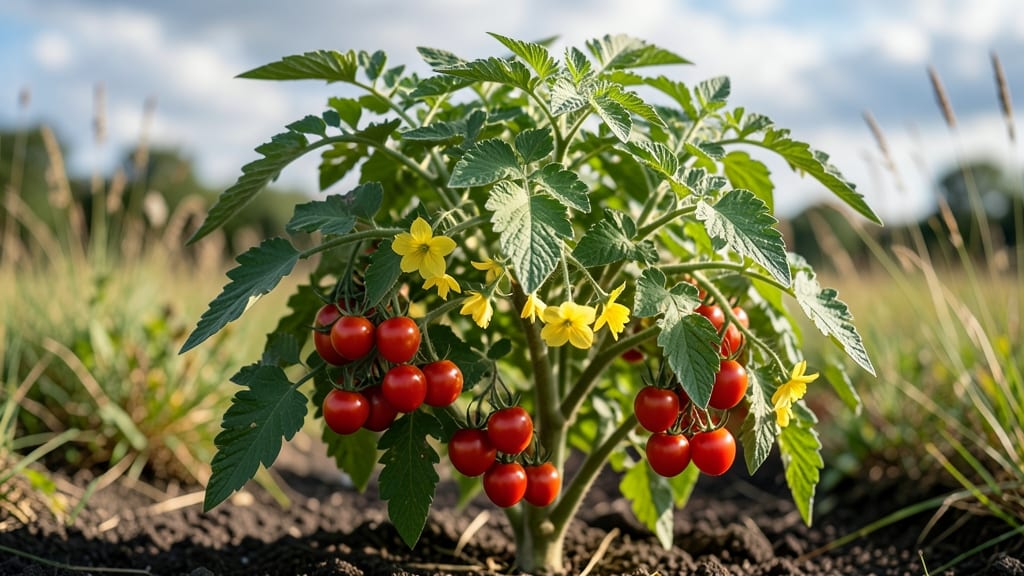
Growing Cherry 100 tomatoes changed how I think about summer harvests—these cold-hardy varieties keep producing even when other plants give up. 🌱 The secret lies in their ability to regrow yearly, making them the ultimate low-maintenance choice for gardeners who want sweet, bite-sized tomatoes without the fuss of replanting every spring.
Start with well-draining soil rich in compost, and plant seeds indoors 6-8 weeks before your last frost or buy sturdy transplants. Cherry 100s thrive in full sun (at least 6-8 hours daily) and need 18-24 inches of spacing between plants to support their vines.
A cage or trellis is a must—these tomatoes climb like crazy, and proper support keeps fruit off the ground and pests away.
Water consistently at the base (not overhead) to prevent disease, and fertilize lightly every 2-3 weeks with a balanced organic feed. Prune suckers regularly to focus energy on fruit production, and you’ll be harvesting sweet, 1-inch red jewels starting in mid-July—often well into fall if your climate cooperates.
The flavor? Unbeatable.
Here’s the best part: with proper winter protection (mulch and row covers), these plants often regrow the next season, saving you time and money. Even in cooler zones, they’ll reward you with months of effortless harvests—just keep an eye out for hornworms and blight, and you’re golden.
📚 In This Guide
- What you need
- Instructions
- Tips and common mistakes
- Wrapping up and next steps
What you need
- ● Seeds or Seedlings: Cold-hardy cherry tomato varieties (e.g., ‘Tiny Tim,’ ‘Balcony Red,’ or ‘Solar Fire’—check seed packets for "100 tomato" labels). Quantity: 3–6 seeds/seedlings per pot or 10–15 for in-ground planting.
- ● Containers or Garden Beds: Containers: 5–10 gallon pots (with drainage holes) or fabric grow bags. Material: Plastic, terracotta, or recycled buckets.
- ● In-Ground: Well-draining soil in full sun (6+ hours/day). Amend with compost if soil is poor.
- ● Growing Medium: High-quality potting mix (sterile, peat-free if possible) or a blend of 60% compost, 30% coco coir, 10% perlite.
- ● Fertilizer: Balanced organic fertilizer (e.g., 5-5-5 or fish emulsion) OR slow-release granules (like Osmoote).
- ○ Optional: Calcium supplement (e.g., crushed eggshells or calcium nitrate) to prevent blossom-end rot.
- ● Hand trowel or small shovel for transplanting.
- ● Watering can with a rose attachment (for gentle watering).
- ● Pruning shears (sterilized with rubbing alcohol).
- ● Garden twine or stakes (3–4 ft tall) for support.
- ○ pH test kit (optional but helpful—ideal range: 6.0–6.8).
- ● Row covers or frost cloth (for early/late seasons in colder climates).
- ● Climate: USDA Zones 3–10 (verify your hardiness zone here).
- ● Timing: Start seeds 6–8 weeks before last frost (indoors under grow lights).
- ● Transplant outdoors after soil warms to 50°F+ (or use row covers).
- ● Sunlight: Full sun (6+ hours/day) is non-negotiable for regrowth!
- ● Water: Consistent moisture (1–2 inches per week); avoid soggy soil.
- ● Self-watering planters to reduce maintenance.
- ● Organic mulch (straw or shredded leaves) to retain moisture.
- ● Compost tea or liquid seaweed for a growth boost.
- ● Garden journal to track regrowth progress!
How to grow cold-hardy Cherry tomatoes that regrow yearly
Cold-hardy cherry tomatoes like '100 Cherry' thrive when you follow these key steps—here's my battle-tested approach.
🌱 Step 1: Select and Prepare the Right Location
Choose a spot that gets 6-8 hours of sunlight daily with protection from strong winds. I always test my site first by observing where sunlight hits consistently—even a small patio or balcony works if it meets these requirements. The soil should drain well, so if you're in heavy clay, amend with 1-2 inches of compost mixed into the top 6 inches.
Here's the thing—cold-hardy varieties like '100 Cherry' need winter protection, so I plant them near a south-facing wall or use cold frames. If you're in Zone 7 or warmer, you can grow them year-round with minimal winter care. In colder zones, focus on spring and fall harvests.
🌱 Step 2: Plant at the Correct Time and Depth
Start seeds indoors 6-8 weeks before your last frost date—I use biodegradable pots to avoid root disturbance later. Plant seeds 1/4 inch deep in a mix of 50% potting soil and 50% perlite to prevent damping-off. Keep the soil warm (70-75°F) for germination, which typically takes 7-10 days.
Once seedlings have 2-3 true leaves, transplant them outdoors after nighttime temperatures stay above 50°F. Bury the stem deeper than usual—up to 1/3 of the plant's height—to encourage strong root growth. This is the moment that matters: deeper planting prevents stem rot and helps the plant establish faster.
☀️ Step 3: Provide Support and Consistent Care
Install a 4-5 foot tall tomato cage or trellis at planting time—cherry tomatoes grow vigorously and need support. I use sturdy bamboo stakes for smaller plants and wire cages for heavier varieties. Prune suckers (the small shoots that grow between the stem and branches) regularly to direct energy to fruit production.
Water deeply 2-3 times per week, aiming for 1-1.5 gallons per plant, and always at the base to avoid wetting leaves. Mulch with 2-3 inches of straw or shredded leaves to retain moisture and protect roots from temperature swings. You'll see the difference in fruit size and yield within a few weeks.
✂️ Step 4: Extend the Season for Year-Round Growth
To regrow '100 Cherry' tomatoes yearly, cut back plants to 6 inches tall after the first harvest. Mulch heavily and water consistently—this encourages new growth from the base. In colder months, use row covers or a small greenhouse to protect plants from frost. I've had plants produce fruit for 9-10 months using this method.
Fertilize lightly in early spring with a balanced 10-10-10 fertilizer to jumpstart growth. Avoid over-fertilizing, which can lead to excessive foliage and fewer fruits. Watch for pests like aphids or whiteflies—spray with neem oil if you spot them early.
⏰ Step 5: Harvest and Prepare for the Next Cycle
Harvest cherries when they're fully colored and slightly soft to the touch—this usually takes 60-70 days after transplanting. Pick consistently to encourage more fruit production. Store harvested tomatoes in a cool, dry place (not the fridge) for up to 2 weeks.
After the last harvest, cut back any dead or diseased foliage and compost it. If you're in a mild climate, leave the roots in the ground with a thick mulch layer—new shoots will emerge in spring. In colder areas, dig up the plant, trim it back, and replant it in fresh soil. Real talk: this regrowth takes patience, but the payoff is worth it.
Tips & tricks for perfect cold-hardy Cherry tomatoes
These battle-tested strategies will help you grow thriving '100 Cherry' tomato plants that produce fruit for months—and even regrow year after year.
Sunlight Optimization: While the instructions call for 6-8 hours of sunlight daily, I've found that positioning your plants to capture morning sun (cooler, less intense) and afternoon shade (especially in hot climates) actually improves fruit quality. The delicate '100 Cherry' skin can scorch in peak afternoon sun—watch for slight yellowing on leaves as a warning sign. Adjust your location if you notice this, even if it means reducing total sunlight slightly.
Germination Strategy: The 7-10 day germination window is ideal, but I've discovered that placing your seed trays on a heating mat set to 75°F cuts this time to just 5-7 days. Keep the soil consistently moist (not soggy) during this period, and cover trays with plastic wrap to maintain humidity. This is especially helpful if you're starting seeds in cooler conditions—it makes all the difference for early transplants.
Transplanting Secret: When burying stems up to 1/3 the plant's height, I recommend making a small trench around each seedling after transplanting. This encourages root growth outward into the soil rather than just downward, creating a stronger base for your plant. Water thoroughly after planting to help settle the soil around those buried stems—this simple step prevents stem rot that can kill young plants.
Year-Round Protection: For the 9-10 month growing potential, I've expanded on the row cover suggestion by using a lightweight greenhouse fabric that allows light and air circulation while blocking frost. In winter, I add a second layer of bubble wrap on the north side of the plant to create a microclimate that's 5-10°F warmer. This lets me grow tomatoes even in Zone 6 winters with minimal effort.
Pro Tips for Cherry 100 Tomatoes
- These battle-tested strategies will help you grow thriving '100 Cherry' tomato plants that produce fruit for months—a...
- Sunlight Optimization: While the instructions call for 6-8 hours of sunlight daily, I've found that positioning your ...
- Germination Strategy: The 7-10 day germination window is ideal, but I've discovered that placing your seed trays on a...
Frequently asked questions
Got questions about growing cherry tomatoes—especially the cold-hardy Cherry 100 variety? You’re not alone!
Here are answers to the most common queries to help you grow like a pro.
Can Cherry 100 tomatoes really survive winter and regrow yearly?
The Cherry 100 is a heirloom variety known for its cold tolerance, but it won’t survive harsh freezes (<32°F/0°C). In mild climates (Zones 8-10), it may regrow with minimal protection like mulch or row covers. In colder areas, treat it as an annual and replant each spring—its seeds are easy to save!
How long does it take for Cherry 100 tomatoes to produce fruit?
Expect 60–75 days from transplant to harvest, depending on warmth and care. Early blooms may drop in cool weather, so wait for consistent temps above 55°F (13°C) for steady fruit production. Pro tip: Use a cloche or cold frame to speed things up!
Are Cherry 100 tomatoes different from regular cherry tomatoes?
Yes! Cherry 100 is a determinate variety, meaning it grows in compact bushes (3–4 ft tall) and produces a high yield of small, sweet tomatoes (about 100 per plant). Regular cherry tomatoes (like ‘Sweet 100’) are often indeterminate, growing taller with fewer fruits. Cherry 100 is also more cold-resistant and disease-tolerant.
What’s the best way to overwinter Cherry 100 tomato plants?
In frost-prone areas, cut back plants to 6–12 inches after harvest, mulch heavily, and cover with straw or a low tunnel. In Zone 7 or warmer, leave plants intact, mulch, and protect with row covers. Warning: Avoid heavy pruning—focus on insulation, not drastic cuts, to preserve the root system.
Can I grow Cherry 100 tomatoes in containers?
Use a 5-gallon container minimum with well-draining soil and support (like a cage). Place pots in full sun and water consistently—containers dry out faster. Bonus: Container-grown plants ripen earlier and are easier to protect from pests or light frosts.
What pests or diseases should I watch for with Cherry 100 tomatoes?
Common issues include aphids, hornworms, and early blight. Prevent problems with neem oil sprays, crop rotation, and pruning for airflow. Cherry 100 is more resistant than many varieties, but keep an eye out for yellowing leaves (overwatering) or chewed foliage
Wrapping up and next steps
Cherry tomatoes—especially cold-hardy varieties like '100 Cherry'—are a gardener’s dream! 🌱 They thrive in diverse climates, regrow yearly, and pack a burst of flavor into every bite. Whether you're a seasoned green thumb or a curious beginner, these resilient plants offer low-maintenance, high-reward growing potential.
Ready to dive in? Start by choosing your favorite variety, prepping your soil, and planting with confidence. Your next harvest is just a seed away! 🌿