
Vegetables
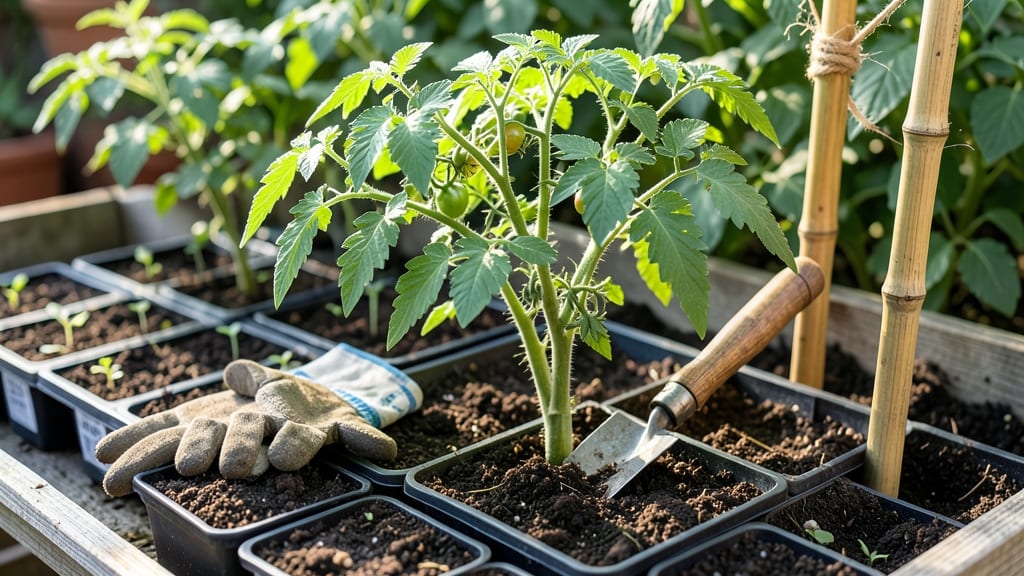
Growing cherry tomato sprouts from seed means tiny, tender plants that turn into prolific producers. 🌱 The secret to success starts with the right soil mix, consistent warmth, and patience—no fancy equipment needed.
I’ve seen these delicate seedlings go from barely-there specks to thriving vines in just 6-8 weeks with the right care. Your setup only needs a seed tray, high-quality seed-starting mix, and a warm spot (70-80°F keeps them happy).
Keep the soil damp but not soggy, and you’ll watch those first leaves unfurl in about a week. The key is avoiding overwatering—damping-off (a moldy death sentence for sprouts) is the biggest threat, but proper airflow prevents it.
Once they’ve got their second set of true leaves, it’s time to transplant. Give them space—18-24 inches apart—and a sturdy cage or trellis. They’ll reward you with clusters of sweet, bite-sized tomatoes all season, and the best part?
You can start them indoors in early spring for an extended harvest. This method works for containers, raised beds, or in-ground plots. The only real mistake is rushing—let those sprouts grow strong before they face the great outdoors. Ready to get started?
📚 In This Guide
- What you need
- Instructions
- Tips and common mistakes
- Wrapping up and next steps
What you need
- ● Cherry tomato seeds: 1–2 packets (organic, non-GMO preferred for best results). Look for heirloom varieties like ‘Sugar Snap,’ ‘Sweet 100,’ or ‘Tiny Tim’ for compact growth.
- ● Sprouting container: One 6–12" deep tray with drainage holes (or a repurposed egg carton for microgreens).
- ● Potting mix: 2–3 cups of seed-starting mix (lightweight, sterile, and peat-free if possible). Avoid garden soil—it’s too dense!
- ● Watering can or spray bottle: With a fine mist setting to keep seeds moist without drowning them.
- ● Grow lights or sunny windowsill: A 4–6" LED grow light (12–16 hours/day) or a south-facing window (6+ hours of sunlight).
- ○ Optional: Seedling heat mat (70–75°F) to speed up germination.
- ○ Optional: Small fan (for air circulation to prevent damping-off disease).
- ○ Optional: Fertilizer (balanced 10-10-10 or compost tea) once sprouts develop true leaves.
- ○ Optional: Trellis or tomato cage (for indeterminate varieties to save space).
- ● Patience! Germination takes 7–14 days (depending on temperature and variety).
- ● Consistency in watering—keep soil evenly moist (not soggy).
- ● Warmth (ideal germination temp: 70–85°F).
Step-by-step instructions for growing cherry tomato sprouts
Here's how to get those sweet, prolific cherry tomatoes growing with minimal fuss.
🌱 Step 1: Start Seeds Indoors 6-8 Weeks Before Last Frost
Fill 2-3 inch deep seedling trays with moistened seed-starting mix—press it down lightly so it's firm but not compacted. Cherry tomato seeds are tiny, so I use a toothpick to make a tiny hole just ¼ inch deep (about the width of the seed). Drop 2-3 seeds per hole and cover with a sprinkle of soil.
Mist the surface gently until the soil looks evenly damp but not soggy. Place the tray in a warm spot—75-85°F is ideal, so a seedling heat mat helps if your home runs cooler. Keep the soil moist by covering with a humidity dome or plastic wrap until sprouts appear in 7-14 days.
☀️ Step 2: Provide Bright Light and Prevent Leggy Growth
The moment those first true leaves appear, move the seedlings under 14-16 hours of bright light daily. A south-facing window won’t cut it—you’ll see weak, stretched seedlings reaching for light. I use a grow light just 2-3 inches above the plants, raising it as they grow to maintain that distance.
Watch for leggy stems—those long, pale growths mean your light’s too far away. Strong seedlings should have thick stems and leaves spaced 1 inch apart. If you see them leaning, rotate the tray daily so they grow straight.
🪴 Step 3: Transplant Seedlings After Hardening Off
Two weeks before your last frost, start hardening off by placing seedlings outside in a sheltered spot for 1-2 hours the first day. Gradually increase their time outdoors over 10-14 days, ending with a full day in the sun. This toughens them up so they don’t shock when planted.
Transplant after all danger of frost has passed. Bury seedlings deeper than the root ball—up to the first set of true leaves—to encourage strong root growth. Space them 18-24 inches apart in rows 2 feet apart for good airflow.
💧 Step 4: Water Deeply and Mulch for Consistent Harvests
Water at the base of the plant 1 inch per week, letting the soil dry slightly between waterings. Drip irrigation or soaker hoses keep moisture even and prevent fungal diseases. You’ll know you’re doing it right when the soil feels damp but not soggy.
Spread 2-3 inches of mulch around the base to retain moisture and keep roots cool. I use straw because it breaks down slowly and adds organic matter. This is where cherry tomatoes thrive—consistent moisture means fewer blossom-end rot issues and sweeter fruit.
✂️ Step 5: Prune and Support for Bigger Harvests
When plants reach 12-18 inches tall, pinch off the suckers—the little shoots that grow in the leaf axils. These compete with fruit production, so removing them redirects energy to the main stem and branches. Leave 2-3 main stems for cherry tomatoes—they produce more fruit than overcrowded plants.
Install cages or stakes early to support the vines as they grow. Prune any leaves touching the soil to prevent disease. You’ll see the difference in 2-3 weeks: fewer leaves but more clusters of sweet, juicy tomatoes.
Tips & tricks for growing cherry tomato sprouts
These simple strategies will help you grow robust cherry tomato plants with minimal effort.
Seed Starting: Don't rush the germination process—those tiny seeds need consistent warmth (around 75-85°F) to sprout reliably. I place my seed trays on a seedling heat mat and keep them under a humidity dome. This creates the perfect environment for quick, even sprouting within 7-14 days. Once sprouts appear, remove the dome to prevent mold.
Light Management: The 14-16 hours of daily light requirement is non-negotiable for strong seedlings. I position my grow light just 2-3 inches above the plants and adjust it as they grow. Watch for leggy stems—these occur when light is insufficient. Rotate your trays daily to ensure even growth and prevent leaning toward the light source.
Hardening Off: The gradual hardening process is crucial for transplant success. Start with just 1-2 hours outside on the first day, then increase exposure over 10-14 days. This slow adaptation prevents transplant shock. I always harden off in a sheltered spot to protect young plants from wind and direct sunlight, which can scorch tender leaves.
Soil Care: Maintain that damp but not soggy soil consistency throughout the growing process. Overwatering leads to root rot, while underwatering causes blossom-end rot in fruit. I check soil moisture by sticking my finger about an inch deep—if it feels dry, it's time to water. Mulching with straw helps maintain even moisture levels and keeps roots cool during hot summer days.
Pro Tips for Cherry Tomato Sprouts
- These simple strategies will help you grow robust cherry tomato plants with minimal effort.
- Seed Starting: Don't rush the germination process—those tiny seeds need consistent warmth (around 75-85°F) to sprout ...
- Light Management: The 14-16 hours of daily light requirement is non-negotiable for strong seedlings. I position my gr...
Frequently asked questions
Got questions about growing cherry tomato sprouts? You’re not alone! Here are some of the most common queries—plus straightforward answers to help you succeed.
How long does it take for cherry tomato sprouts to grow into edible plants?
From seed to harvest, cherry tomato sprouts typically take 60–85 days to produce fruit, depending on the variety. Sprouts appear in 5–14 days, while seedlings need 4–6 weeks to establish roots before transplanting. Patience pays off—early blooms may not yield fruit, so focus on consistent care for a steady harvest!
Can cherry tomato sprouts survive frost?
Nope! Cherry tomato sprouts are frost-sensitive—even light frost (below 32°F/0°C) can kill them. Start seeds indoors 6–8 weeks before your last frost date or use row covers if transplanting early. For container growers, move pots indoors or to a greenhouse when temps dip. Pro tip: Harden off seedlings gradually to avoid shock!
What can I do if my cherry tomato sprouts look leggy or weak?
Leggy sprouts mean they’re stretching for light. Fix it by:
- Moving seedlings closer to a bright window (south-facing is ideal) or under grow lights (12–16 hours/day).
- Thinning crowded sprouts to 1–2 inches apart to reduce competition.
- Using a reflective surface (like aluminum foil) under trays to bounce light upward.
Once hardened off, transplant leggy seedlings deeper—buried stems often grow roots!
Are cherry tomato sprouts perennial, or do I need to replant every year?
While cherry tomatoes are annuals, their sprouts and seedlings can be grown perennially with care! Save seeds from healthy plants or root cuttings in water to propagate new sprouts. For a zero-fuss perennial harvest, succession-plant seeds every 2–3 weeks in warm months to enjoy continuous yields.
What’s a good alternative if cherry tomato sprouts fail to germinate?
Try these low-maintenance alternatives for quick, edible sprouts:
- Microgreens: Fast-growing (7–14 days), nutrient-packed, and thrive in small spaces.
- Pea shoots: Cold-hardy, ready in 2–3 weeks, and perfect for salads.
- Radish sprouts: Germinate in 3–5 days and add a peppery kick.
- Sunflower sprouts: Edible stems and leaves; harvest in 10–14 days.
All require minimal soil and sunlight—ideal for beginners!
Wrapping up and next steps
Growing cherry tomato sprouts is a rewarding journey that brings fresh, flavorful harvests with minimal effort—perfect for beginners and green thumbs alike! 🌱 With just a few supplies and a little patience, you’ll enjoy a perennial bounty year after year.
Whether you’re aiming for a windowsill garden or a backyard plot, these vibrant sprouts prove that low-maintenance gardening can yield big results.
Ready to dive in? Start by gathering your materials, then take that first step—your future harvest is waiting! Happy sprouting! 🌿