
Vegetables
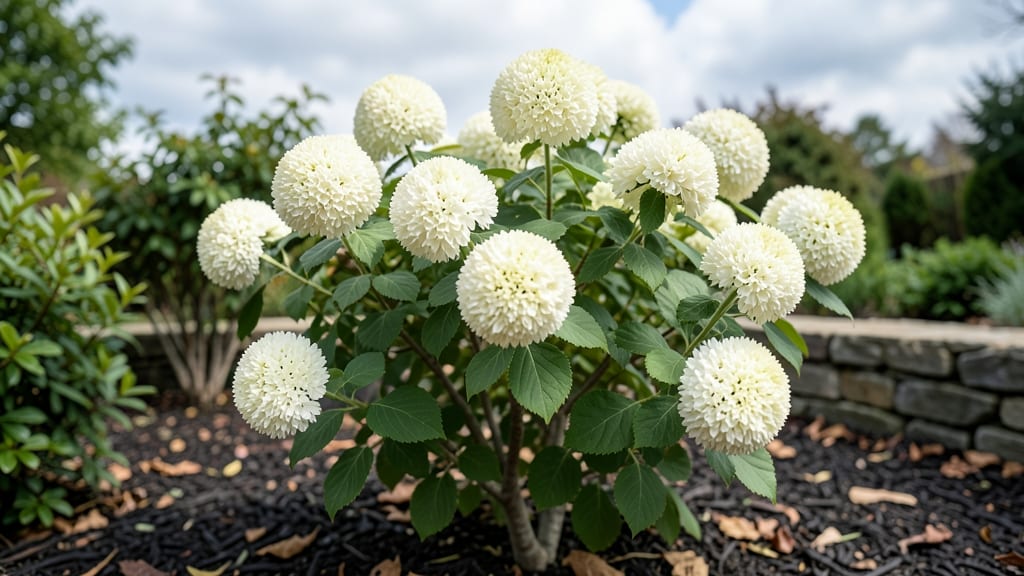
Your winter garden just got a frost-proof showstopper: the Chinese snowball viburnum in winter thrives when everything else looks bare, its dense clusters of white blooms standing out against icy branches like nature’s own snow globes.
I’ve watched mine go from summer’s lush green to winter’s sculptural beauty—and it’s the one plant that never disappoints, even in sub-zero temps.
The magic happens in its dormancy strategy: thick bark shields against cold, while its layered branches create a natural windbreak for tender stems.
Prune lightly in late winter (before buds swell) to shape it, but resist heavy cuts—this plant’s winter charm lies in its textured bark and dormant buds, which add subtle interest when flowers fade. No mulch needed unless you’re in extreme zones, but a 3-inch layer of shredded leaves adds insurance.
By spring, those same branches burst into football-sized clusters of fragrant white blooms, followed by deep red berries that birds adore. The best part? It’s low-maintenance—just water deeply once a month in winter if your area gets little snow.
Plant it where you’ll see it year-round: near patios, entryways, or as a focal point in mixed borders. It’s the plant that works harder than you do.
Pro tip: Pair it with evergreen shrubs (like boxwood) to highlight its winter silhouette, or let it shine solo against a dark evergreen hedge. No other plant delivers this much year-round drama with so little effort. Ready to make yours the talk of the neighborhood?
📚 In This Guide
- What you need
- Instructions
- Tips and common mistakes
- Wrapping up and next steps
What you need
- ● Chinese Snowball Viburnum (Viburnum odoratissimum) – 1-3 mature plants (3-6 ft tall, depending on desired spacing). Choose healthy specimens with vibrant green foliage and no signs of pests.
- ● Well-draining soil – A mix of 60% topsoil, 30% compost, and 10% perlite or coarse sand (1-2 cubic yards for 3 plants). Test soil pH (ideal: 5.5–7.0).
- ● Organic mulch – 3–4 inches of pine straw, cedar chips, or shredded bark to retain moisture and insulate roots in winter.
- ● Slow-release fertilizer – 10-10-10 or 5-10-10 NPK ratio (1–2 lbs per plant). Apply in early spring and fall.
- ● Pruning shears – Bypass pruners (sharp, 6–8 inch blades) for shaping and deadheading. Disinfect with rubbing alcohol before/after use.
- ● Watering can or hose with a gentle spray nozzle – 5-gallon capacity minimum for thorough watering.
- ● Garden gloves – Heavy-duty, waterproof (e.g., Wolford or Fellex) to protect hands during pruning.
- ● Trowel or spade – For digging planting holes (12–18 inches wide/deep).
- ○ Soil moisture meter – Optional but helpful for monitoring winter hydration (aim for 40–60% moisture in soil).
- ● Winter protection cloth – Frost blanket (3x4 ft per plant) for young or newly planted viburnums in Zone 6 or colder.
- ● Stakes & twine – 3–4 ft bamboo stakes and soft twine to support young plants if needed.
- ● Decorative rocks or gravel – 1–2 bags (20 lbs each) for mulch top layer and aesthetic appeal.
- ● Sunlight assessment – Confirm your planting spot gets full sun to partial shade (6+ hours/day). Viburnums tolerate shade but may have fewer blooms.
- ● Weather check – Plant in early spring (March–April) or fall (September–October) to avoid extreme heat/cold stress.
- ● Neighborhood approval – Ensure your HOA or local regulations allow deciduous shrubs over 6 ft tall (some areas restrict height).
How to care for Chinese snowball viburnum through winter
This hardy shrub thrives in cold climates with minimal winter fuss—just a few key steps to keep it stunning.
🌿 Step 1: Assess and Prune After Fall Frost
Wait until after the first hard frost when temperatures dip below 25°F for at least 24 hours. This ensures the plant has entered dormancy and won’t bleed sap from fresh cuts. Use clean, sharp pruners to remove any dead, damaged, or crossing branches—these are easy to spot as they’re brown or brittle compared to healthy green stems.
Focus on shaping the shrub lightly rather than heavy pruning. Chinese snowball viburnum blooms on old wood, so avoid cutting back more than one-third of the plant in any single season. Remove only the weakest stems at the base. You’ll see new growth emerging from the center in spring, signaling you’ve encouraged a fuller shape.
☀️ Step 2: Prepare for Snow and Ice Protection
Once winter sets in, protect the plant from heavy snow accumulation by gently brushing off excess snow with a broom or your hands. A thick layer of snow can weigh down the branches, especially the heavy snowball blooms. Check the plant weekly during snowfall periods—you’ll notice when branches sag under the weight.
For areas with extreme cold below 0°F, wrap young plants (under 3 years old) with burlap or frost cloth loosely around the stems. Secure it with twine but leave the top open to prevent moisture buildup. Older, established plants rarely need protection, but if your winters are brutal, a light mulch of 2-3 inches of shredded bark around the base helps insulate the roots.
💧 Step 3: Monitor Soil Moisture Without Overwatering
Chinese snowball viburnum is drought-tolerant once established, but winter desiccation can occur in windy or dry climates. Water only if the ground feels completely dry 2 inches below the surface—stick your finger in the soil to check. Overwatering in winter can lead to root rot, especially in heavy clay soils.
If your area experiences freeze-thaw cycles, water deeply once a month during dry spells to prevent soil from becoming too compacted. You’ll see the soil surface crust over in freezing temperatures, but the roots remain protected by the natural insulation of the ground.
✂️ Step 4: Plan Early Spring Maintenance
As winter winds down and you see new growth emerging from the base of the plant, mark your calendar for early spring pruning. This is when you’ll remove any dead wood from winter damage and shape the shrub for the coming season. Look for stems that have blackened or shriveled—these won’t recover and should be cut back to healthy growth.
Apply a 2-3 inch layer of mulch around the base after pruning to retain moisture and regulate soil temperature. Avoid piling mulch directly against the stem, as this can cause rot. The goal is to create a protective barrier that keeps roots warm but allows air circulation.
🪴 Step 5: Watch for Pest and Disease Signs
Winter is the best time to spot potential issues before they spread. Inspect the bark for signs of scale insects or spider mites, which may overwinter on the plant. You’ll see tiny white or brown bumps on the stems or webbing between branches—treat these immediately in early spring with horticultural oil or insecticidal soap.
If you notice any fungal issues like powdery mildew on the leaves (even if they’ve fallen), rake up and dispose of all leaf litter around the plant. This prevents spores from reinfecting new growth in spring. Healthy Chinese snowball viburnum should have clean, intact bark and no signs of wilting or discoloration during dormancy.
Tips & tricks for winter care of Chinese snowball viburnum
Winterizing your Chinese snowball viburnum is easier than you think—these small adjustments make all the difference between a struggling shrub and one that thrives through the coldest months.
Timing for Pruning: The 24-hour wait after temperatures drop below 25°F isn't just about avoiding sap bleeding—it's also about letting the plant fully enter dormancy. I've seen plants bleed sap when pruned too early, which weakens them just as winter sets in. Mark your calendar for the first hard frost and wait that full 24 hours before pruning. This timing ensures clean cuts that heal properly.
Snow Protection Strategy: For young plants, I've found that wrapping with burlap works best when you leave the top open—this prevents moisture buildup that can lead to rot. The key is to check weekly during snowfall periods. You'll know when branches need attention when they start sagging under the weight. A quick brush-off with a broom keeps those beautiful snowball blooms intact for spring.
Soil Moisture Balance: That 2-inch soil moisture check is crucial—stick your finger in the soil to feel for dryness. In my experience, winter desiccation often happens in windy climates where moisture evaporates quickly. Remember, once established, these plants are drought-tolerant, but that doesn't mean you should ignore the soil completely. The once-a-month watering during freeze-thaw cycles prevents soil compaction that can smother roots.
Early Spring Preparation: When you see those first signs of new growth in early spring, that's your cue to plan pruning. Look for stems that have blackened from winter damage—they won't recover and should be removed completely. The 2-3 inch mulch layer you apply after pruning is your secret weapon for spring. It regulates soil temperature perfectly, keeping roots warm without suffocating the plant.
Pro Tips for Chinese Snowball Viburnum In Winter
- Winterizing your Chinese snowball viburnum is easier than you think—these small adjustments make all the difference between a struggling shrub and one that thrives through the coldest months.
- Timing for Pruning: The 24-hour wait after temperatures drop below 25°F isn't just about avoiding sap bleeding—it's also about letting the plant fully enter dormancy.
- Snow Protection Strategy: For young plants, I've found that wrapping with burlap works best when you leave the top open—this prevents moisture buildup that can lead to rot.
Frequently asked questions
Got questions about keeping your Chinese Snowball Viburnum stunning through winter? You’re not alone!
Here are the most common queries—and answers—to help you maintain its frost-proof beauty with ease.
How cold can Chinese Snowball Viburnum tolerate?
This hardy shrub thrives in USDA Zones 3-8, meaning it can handle temperatures as low as -30°F (-34°C) without extra protection. In milder winters (Zones 7-8), it may even bloom lightly! Just ensure it’s planted in well-draining soil to avoid root rot from winter moisture.
Do I need to prune it in winter?
Light pruning is optional but beneficial in late winter (February-March) to shape the shrub and remove dead wood. Avoid heavy pruning—it blooms on old wood, so cutting back too much may reduce spring flowers. Use sterilized shears to prevent disease.
Will it lose its leaves in winter?
Yes! Unlike evergreens, Chinese Snowball Viburnum is deciduous and drops leaves in fall. The skeletal branches and buds create a stunning winter silhouette. For extra interest, plant it near evergreens (like boxwood or holly) to contrast textures.
What if my viburnum looks brown or crispy in winter?
Brown stems or buds often mean dryness or frost damage. Mulch the base with 2-3 inches of organic mulch (like shredded bark) to retain moisture. If branches snap, prune them in spring—new growth will fill in. Overwatering in winter can also cause rot, so hold off until soil thaws.
Are there winter-care alternatives for similar shrubs?
If you want year-round color, consider these frost-tolerant alternatives:
- Winterberry Holly (Ilex verticillata) : Bright red berries in winter (needs a male pollinator).
- Oakleaf Hydrangea (Hydrangea quercifolia) : Exfoliating bark and deep purple foliage.
- Dwarf Fothergilla (Fothergilla gardenii) : Fragrant spring blooms and fiery fall leaves.
Wrapping up and next steps
The Chinese Snowball Viburnum is a winter gem that proves beauty thrives even in the coldest months! 🌟 With its frost-resistant charm, lush foliage, and stunning snowball-like blooms, it’s the perfect addition to any garden—adding texture, color, and life when other plants fade away.
Ready to bring this year-round elegance to your outdoor space? Start by researching local nurseries or online plant suppliers to find a healthy specimen. Then, plan your planting spot with care—whether it’s a cozy corner, a winter focal point, or a pollinator-friendly haven. Your garden will thank you!