
Vegetables
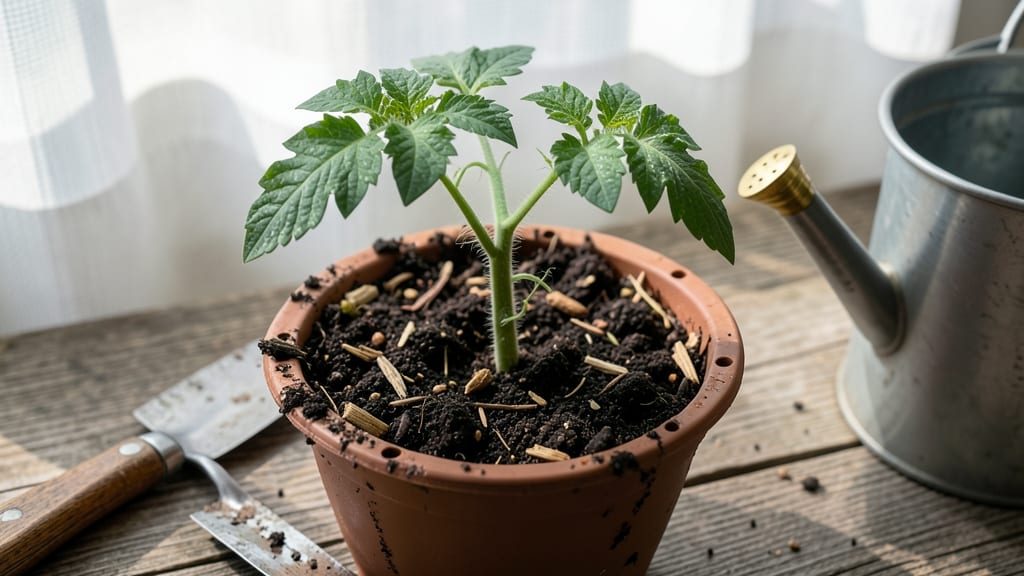
Tomato seeds thrive when you give them the right start—and compost is the secret weapon. 🌱 The difference between leggy, weak seedlings and stocky, vibrant plants often comes down to the soil mix you use.
My first batch of compost-amended seed-starting mix produced seedlings so strong they outgrew my neighbors' store-bought transplants by mid-April.
Not all compost works equally well. You want finished compost—dark, crumbly, and earthy-smelling—mixed with a light potting medium like perlite or vermiculite. The ideal ratio is 70% compost to 30% potting mix, which gives seeds just enough nutrients without overwhelming them.
Too much compost can cause damping-off, while too little means your seedlings will stretch toward the light like they're starving.
When you plant, keep the mix moist but not soggy—think of a damp sponge. Seeds germinate best at 70-80°F, so a sunny windowsill or seedling heat mat works wonders.
Within 5-10 days, you'll see those first tiny sprouts, and with compost's steady nutrient release, your seedlings will stay sturdy and green, not yellow or stunted.
This method works for any tomato variety, whether you're growing heirlooms or hybrids, and it cuts your seed-starting time in half. The key is patience—compost builds soil health over time, so your plants will reward you with stronger roots, bigger yields, and fewer diseases all season long.
📚 In This Guide
- What you need
- Instructions
- Tips and common mistakes
- Wrapping up and next steps
What you need
- ● Compost: 2–3 cups of finished, well-aged compost (dark, crumbly, and free of large chunks or weeds). Pro tip: Look for a compost with a 1:1 carbon-to-nitrogen ratio (e.g., equal parts browns like leaves and greens like veggie scraps).
- ○ Optional boost: Add ½ cup of worm castings (for extra micronutrients).
- ● Tomato seeds: 10–20 seeds (varies by planting method; start small if testing!).
- ● Seed-starting mix: 1–2 cups of sterile, lightweight potting soil (avoid garden soil—it’s too dense!).
- ● Containers: Essential: 3–4 small pots (3–4 inches deep) or a seed tray with cells.
- ○ Optional: Biodegradable peat pots (for transplanting convenience).
- ● Watering can or spray bottle: With a fine mist nozzle (to avoid displacing seeds).
- ● Plastic wrap or humidity dome: To retain moisture (a clear plastic bag works in a pinch!).
- ● Labels & marker: To track seed varieties (trust us, you’ll thank yourself later!).
- ● Grow lights or sunny windowsill: Tomato seeds need 6–8 hours of light daily (a south-facing window or LED grow light works best).
- ● Heat mat: Keeps soil warm (70–85°F) for faster germination (especially for slow starters like heirloom tomatoes).
- ● Fertilizer: A balanced, water-soluble fertilizer (5-5-5 or 10-10-10) for when seedlings sprout (dilute to half-strength!).
- ● Compost tea: Brew a batch of aerated compost tea (1 part compost to 5 parts water, steeped for 24–48 hours) to give seeds a nutrient kick.
How to use compost for tomato seedlings: a nutrient foundation for strong starts
Tomato seeds need a nutrient kickstart to break through soil and grow into sturdy plants. Here's how to blend compost into their growing medium for the best possible foundation.
🌱 Step 1: Select and Prepare the Right Compost
Use finished compost—dark, crumbly, and free of large chunks or weeds. I prefer well-aged compost from a cold compost pile (6+ months old) because it's sterile and won't introduce pathogens to your delicate seedlings. Sift it through a ¼-inch mesh screen to remove any debris or undecomposed material that could harbor pests or compete with your seeds.
Compost fresh from a hot pile may still contain volatile ammonia or uneven moisture, which can stress young roots. If you're using store-bought compost, check the label for a high organic matter content (above 30%)—this ensures a steady nutrient release as your seedlings grow. Spread the sifted compost on a clean surface to air-dry slightly if it feels overly damp.
💧 Step 2: Mix Compost With Seed-Starting Medium
Combine equal parts compost and seed-starting mix—for example, 1 part compost to 1 part peat-based or coco coir mix. This ratio provides enough nutrients without overwhelming the seeds. I like to mix them in a large plastic bin with a hand trowel, ensuring the compost is evenly distributed throughout the medium. Avoid over-mixing; just break up any clumps so the texture remains light and aerated.
Moisten the blend until it holds together when squeezed but doesn't form a tight ball. You'll know it's at the right consistency when a handful crumbles easily between your fingers. Overwatering now will compact the mix and suffocate roots later. Let the blend sit for 30 minutes to allow excess moisture to evaporate slightly before filling your seed trays.
☀️ Step 3: Plant Seeds in the Nutrient-Rich Medium
Fill your seed-starting trays or pots with the compost-amended mix, leaving ½ inch of space at the top for watering. Press the surface lightly to create a firm seedbed—this helps seeds maintain contact with moisture. Plant tomato seeds ¼ inch deep, spacing them 1 inch apart in each cell. I use a toothpick to create small holes for precise placement without disturbing the soil structure.
Cover the seeds lightly with a thin layer of the same mix, then mist the surface with a spray bottle until evenly damp. Avoid heavy watering at this stage—you want the soil to stay moist but not soggy. Place the trays in a warm, dark location (around 75-80°F) to encourage germination. Expect sprouts in 5-10 days, depending on your compost's fertility and warmth.
🌿 Step 4: Monitor and Maintain Moisture and Nutrients
Once seedlings emerge, move them to bright, indirect light (or under grow lights) to prevent legginess. Keep the compost mix consistently moist—water when the top inch feels dry to the touch—but never let it sit in standing water. Tomato seedlings thrive with 14-16 hours of light daily, so supplement natural light if needed. You'll notice stronger, darker green leaves compared to seedlings grown in plain seed-starting mix.
After the first true leaves appear (not the initial cotyledons), you can fertilize lightly with a balanced, water-soluble fertilizer (like 5-5-5) diluted to half strength. This gives your seedlings a gentle nutrient boost while they adjust to the compost's slower-release nutrients. Watch for compact growth and thick stems—signs your compost is working its magic.
Tips & tricks for perfect compost-enhanced tomato seedlings
These practical insights will help you maximize your compost's benefits while avoiding common pitfalls that can derail your seedlings.
Compost Quality Check: When selecting compost, look for a rich, earthy smell similar to forest soil—this indicates proper decomposition. Avoid compost with a sharp ammonia odor, which suggests incomplete breakdown that could harm delicate seeds. In Step 1, if you're unsure about your compost's age, perform a simple moisture test: squeeze a handful—if it holds together but crumbles easily, it's ready. Too much moisture means it needs drying time, while dry compost may need rehydration before use.
Mixing Technique: In Step 2, when combining equal parts compost and seed-starting mix, work in small batches to maintain consistent moisture levels throughout. I've found that using a clean, dry hand trowel helps prevent clumping better than mixing directly with wet hands. After moistening the blend, let it sit for the full 30 minutes—this resting period allows the compost's organic matter to properly hydrate and prevents the mix from becoming too dense when you plant.
Germination Environment: The warm, dark location specified in Step 3 (around 75-80°F) is crucial for breaking seed dormancy. If your home tends to be cooler, consider using a seedling heat mat set to maintain that temperature range. Place a small thermometer near the trays to monitor—consistent warmth accelerates germination by up to 40% compared to room temperature variations. Once sprouts appear, the 14-16 hours of light becomes equally critical for preventing leggy seedlings.
Light Transition: When moving seedlings to bright light in Step 4, do it gradually over 3-4 days to avoid shocking the plants. Start with 2-3 hours of direct light and increase daily. I've seen seedlings that went straight to full sun develop weak stems that can't support their own weight—this gradual acclimation strengthens their cell walls naturally.
Pro Tips for Compost For Tomato Seeds
- These practical insights will help you maximize your compost's benefits while avoiding common pitfalls that can derail your seedlings.
- Compost Quality Check: When selecting compost, look for a rich, earthy smell similar to forest soil—this indicates proper decomposition.
- Mixing Technique: In Step 2, when combining equal parts compost and seed-starting mix, work in small batches to maintain consistent moisture levels throughout.
Frequently asked questions
Got questions about using compost for tomato seeds? You’re not alone! Here are some common concerns—and straightforward answers—to help you grow strong, healthy tomato plants from the start.
Can I use any compost for tomato seeds?
Not all compost is equal! Use well-aged, nutrient-rich compost (avoid fresh manure or unfinished piles). Look for dark, crumbly compost with no weeds or pests. Seed-starting mixes often blend compost with perlite or vermiculite for better drainage—ideal for delicate tomato seeds.
How soon before planting should I mix compost into the soil?
Mix compost into your seed-starting mix or garden soil 4–6 weeks before sowing. This gives beneficial microbes time to activate and improves soil structure. For container starts, amend the potting mix with 20–30% compost by volume.
What if my compost smells bad or has mold?
Bad-smelling or moldy compost can harm seeds. Discard it and use store-bought compost labeled "sterile" or "seed-safe" instead. To prevent issues, turn your compost pile regularly and keep it moist (like a damp sponge) but not soggy.
Can I substitute compost with other organic matter?
Yes! Try worm castings, coconut coir, or peat moss mixed with compost for lighter texture. Avoid heavy materials like grass clippings (they mat down) or wood chips (they break down too slowly). For extra nutrients, add a pinch of kelp meal or fish emulsion to the mix.
Will compost make my tomato seedlings too leggy?
Compost alone won’t cause leggy seedlings, but poor light or overcrowding might. Ensure seedlings get 12–16 hours of light daily and thin them if needed. If using compost in containers, pair it with a slow-release fertilizer to balance nutrients without overfeeding.
Wrapping up and next steps
Growing tomato seeds in nutrient-rich compost isn’t just a gardening trick—it’s a game-changer for stronger, healthier plants! By harnessing the power of well-balanced compost, you’re giving your seedlings the best possible start, packed with essential nutrients and microbial activity.
This simple, eco-friendly approach ensures your tomatoes thrive from day one, rewarding you with bountiful harvests.
Ready to put your newfound knowledge into action? Start small—try a batch of compost for just a few seeds this season! Experiment with different mixes, observe what works best, and soon, you’ll be a compost master, growing tomatoes that’ll make your neighbors green with envy. 🌱🍅