
Light Requirements
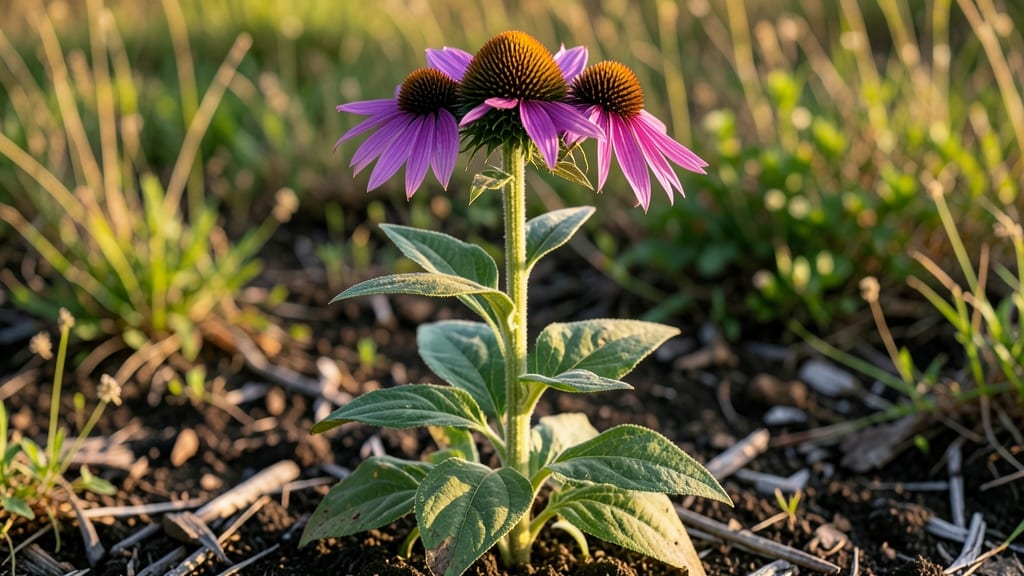
Coneflowers thrive with the coneflower light requirements—at least 6 hours of direct light daily—to produce their showstopping blooms 🌼.
Struggling to keep your coneflowers vibrant and blooming? The right light exposure is the secret weapon—too much shade and they’ll flop, but too much harsh sun can stress them out.
I’ve seen leggy stems and sparse flowers when plants don’t get enough light, and even scorched leaves when they’re baked in afternoon heat.
These sun-lovers aren’t picky about intensity, but they do need consistent brightness to reward you with bold colors and long-lasting blooms. In USDA Zone 6a, that means positioning them where they catch morning sun and gentle afternoon shade if your summers run hot.
Below, I’ll break down how to spot the perfect light spot in your garden, troubleshoot common issues, and keep your coneflowers thriving from spring planting through fall harvest.

Ideal sunlight conditions for coneflower growth and blooming
Coneflowers (Echinacea) are sun-loving powerhouses that thrive when given the right balance of light. While they tolerate some shade, full sun exposure (6+ hours daily) unlocks their most vibrant blooms and robust growth.
The color intensity of purple, white, and pink varieties deepens in sunlight, and stems stay sturdy to support those iconic daisy-like flowers. But here’s the catch: too much harsh afternoon sun in hot climates can scorch leaves, while too little light leads to leggy stems and sparse blooms.
Not all coneflowers are created equal when it comes to light. Purple coneflowers (like 'Magnus' or 'White Swan') are the most sun-hungry, while white varieties (such as 'White Swan') can handle slightly more shade without sacrificing bloom quality.
Pink coneflowers (like 'Hot Papaya') fall somewhere in between but still prefer bright conditions. Understanding these nuances ensures your plants perform at their best, whether you're growing them in a garden border, container, or wildflower meadow.
Sunlight directly impacts three critical aspects of coneflower health: bloom size, color vibrancy, and plant longevity. Studies show that coneflowers in full sun produce 30-50% larger blooms compared to those in partial shade. The color intensity also fades in low light, and plants may live 2-3 fewer years due to weaker root systems. For example, a 'Magnus' coneflower in full sun might reach 3-4 feet tall with 4-inch-wide blooms, while the same variety in partial shade could max out at 2 feet tall with 2-inch blooms.
Here’s the golden rule for coneflower light: morning sun + afternoon shade in hot climates (Zones 8-10) works best, while full sun all day is ideal in cooler regions (Zones 3-7). In containers, move plants to a shaded spot during peak afternoon heat to prevent leaf burn.
For garden beds, pair coneflowers with taller plants on the north side to provide natural shade during the hottest hours.
Light requirements vary slightly by coneflower type, but all benefit from at least 4-6 hours of direct sunlight. Below is a quick comparison of how different varieties perform under varying light conditions, along with practical tips for maximizing their potential.
| Coneflower Type | Ideal Sunlight | Bloom Size | Color Intensity | Longevity | Best For |
|---|---|---|---|---|---|
| Purple (e.g., 'Magnus') | Full sun (6+ hrs) | 4-inch blooms | Deep purple | 5+ years | Garden borders, wildflower mixes |
| White (e.g., 'White Swan') | Full sun to partial shade (4-6 hrs) | 3-4 inch blooms | Bright white | 4+ years | Containers, shaded edges |
| Pink (e.g., 'Hot Papaya') | Full sun to partial shade (5-6 hrs) | 3-inch blooms | Vibrant pink | 3-4 years | Cut flower gardens, pollinator plots |
| Dwarf varieties (e.g., 'Sombrero White') | Partial shade (3-4 hrs) | 2-inch blooms | Soft pastels | 2-3 years | Rock gardens, window boxes |
If you’re growing coneflowers in containers, prioritize south-facing spots or use reflective surfaces (like white gravel) to bounce extra light onto plants. In garden beds, space coneflowers 18-24 inches apart to ensure they all get adequate airflow and sunlight.
For pollinator gardens, place them near bee-friendly companions like black-eyed Susans or butterfly weed, which share similar light needs.
One common mistake gardeners make is assuming "full sun" means all-day blazing heat. In reality, morning sun + afternoon shade (especially in Zones 8-10) prevents leaf scorch while still delivering enough light for strong blooms. For example, in Arizona or Texas, coneflowers thrive with <
How to choose the best light spot in your garden for coneflowers
Finding the perfect light spot for your coneflowers can transform your garden from ordinary to extraordinary. These sun-loving plants thrive with 6-8 hours of direct sunlight, but their needs vary based on your garden’s microclimates and location.
Urban gardens often have harsher afternoon sun due to concrete heat, while rural areas may offer gentler, more diffuse light. Understanding these differences helps you avoid common pitfalls like sunburned leaves or weak stems.
Start by observing your garden throughout the day. Note where the morning sun warms the soil and where the afternoon sun casts intense shadows. Coneflowers prefer morning sun paired with afternoon shade in hot climates, but in cooler regions, they can handle full sun all day.
Urban gardeners should prioritize spots with reflective surfaces like light-colored walls or pathways to bounce extra light to their plants.
Coneflower Light Spot Comparison
Full Sun Spots (6+ hours)
- Pros: Vibrant blooms, taller stems, disease resistance
- Cons: Risk of leaf scorch in afternoon heat
Ideal for rural gardens or elevated beds with airflow.
Partial Shade (4-6 hours)
- Pros: Prevents sunburn, softer stems, better for containers
- Cons: Smaller blooms, leggy growth, fewer flowers
Best for urban courtyards or north-facing beds.
For container gardening, choose spots near south-facing walls or on patios with afternoon shade. Terracotta pots absorb heat, so elevate them on pot feet or place them on gravel to improve airflow.
In wildflower meadows, interplant coneflowers with taller grasses to create natural shade for their roots while still allowing sunlight to reach the foliage.
Watch for microclimate hotspots like south-facing slopes or areas near driveways that absorb and radiate heat. These spots can be too intense for coneflowers, especially in USDA Zones 7-9. Instead, opt for east-facing beds where morning sun gently warms the soil without the intensity of afternoon rays.
If your garden lacks natural shade, use cloth shade cloth (30-50%) during peak summer hours to protect young plants.
Test your chosen spot by placing a white board in the ground for a week to track sunlight hours. Mark the areas where shadows fall during key times of day. Coneflowers in partial shade will still bloom but may produce smaller flowers and longer stems.
To encourage bushier growth, pinch back leggy stems in early summer, redirecting energy to flower production rather than vertical growth.
Remember, coneflowers are drought-tolerant once established, but their light needs are non-negotiable. By matching their environment to your garden’s unique conditions, you’ll enjoy bold blooms from early summer through fall—no matter where you live. Start experimenting with different spots this season and watch your coneflowers thrive! 🌼