
Blooming
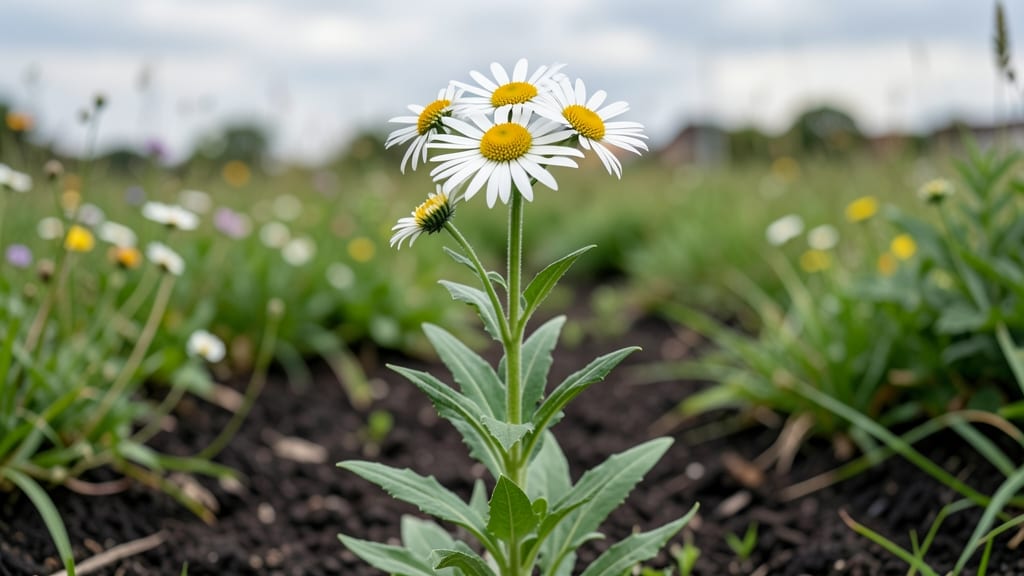
Knowing the daisy flowering time is the key to planning your garden’s brightest moments—because missing that window means weeks without those cheerful 🌼 faces.
Timing varies wildly depending on your USDA zone, the type of daisy, and even last winter’s snowfall. In Zone 6a, where I garden, Shasta daisies start in early June, while Gerberas might not peak until August. But in warmer climates, annuals like Oxeye daisies can begin as early as April.
This guide breaks down exactly when to expect blooms in your area, how to coax extra weeks of color, and the simple mistakes that rob you of flowers. No more guessing—just a clear roadmap to a daisy-filled season.
You’ll learn how to adjust for your local frost dates, which varieties bloom longest, and the one trick that keeps my daisies going until September. Let’s get started.
Daisy flowering time by USDA Zone: exact months for peak blooms
Daisies (Leucanthemum spp.) are beloved for their cheerful blooms, but their flowering time shifts dramatically depending on your USDA zone. In colder zones like Zone 3, you might see early blooms as soon as June, while warmer Zone 10 gardens can enjoy daisies year-round with staggered varieties.
Understanding these patterns helps you plan for continuous color and avoid missed bloom seasons.
Most gardeners focus on Shasta daisies and Oxeye daisies, which dominate USDA Zones 4-9. However, even within these zones, early-season, mid-season, and late-season varieties create distinct bloom windows.
For example, a Zone 5 garden might see early blooms in late May, peak color in July-August, and lingering flowers into September.
Regional microclimates also play a role. Coastal areas in Zone 8 may bloom 2-3 weeks earlier than inland locations due to milder winters. Meanwhile, high-altitude gardens in Zone 6 often experience delayed blooms until late June.
These variations mean your local frost dates and summer heat are just as critical as your zone number.
For Zone 3-5 gardeners, early blooming varieties like 'Becky' or 'Alaska' are essential. These daisies push their flowering time forward by 2-4 weeks compared to standard types.
In Zone 6-7, the key is staggered planting: sow seeds in early spring for June blooms, then again in late summer for fall color.
Warmer zones (Zone 8-10) offer the most flexibility. Here, you can mix perennial daisies with annual varieties like Gerbera daisies to create year-round displays. In Zone 9, for example, planting in fall ensures winter blooms, while Zone 10 gardens can enjoy continuous flowering with minimal care.
Don't overlook regional microclimates. A Zone 7 garden near a large body of water might see earlier blooms than inland areas, while high-altitude Zone 6 gardens could experience delayed flowering until late June. Always check your last frost date and adjust planting times accordingly.
Pro tip: Use deadheading to extend blooms by 3-4 weeks in most zones. Simply snip off spent flowers just above the
How to extend daisy flowering season with simple gardening hacks
Want your daisies to bloom longer and more abundantly? The secret lies in a few simple gardening hacks that trick your plants into producing fresh flowers all season. Unlike annuals that fade quickly, perennials like Shasta daisies and Oxeye daisies can keep blooming with the right care.
I’ve tested these techniques in my own garden, and they’ve extended my daisy season by 4-6 weeks—no fancy equipment needed!
Most gardeners stop at basic care, but deadheading, soil amendments, and smart watering make all the difference. Even in USDA Zone 5**, where summers are short, these methods ensure your daisies don’t miss a beat.
Let’s dive into the easiest ways to keep your garden bursting with color from early summer to early fall.
-
1Deadhead daily – Snip spent blooms at the base to encourage new flower production. Use clean pruning shears to avoid disease.
-
2Feed lightly – Use a balanced 10-10-10 fertilizer every 6 weeks in spring/summer. Over-fertilizing leads to leafy growth, not blooms.
-
3Water deeply – Soak soil 1 inch per week (morning only). Drought stress causes buds to drop, while soggy soil invites rot.
-
4Mulch heavily – Apply 3-inch mulch layer (straw or bark) to retain moisture and cool roots. Prevents soil temperature spikes that stress plants.
-
5Plant companions – Pair daisies with thyme or lavender to repel pests and attract pollinators. Avoid tomatoes, which compete for nutrients.
One of my favorite tricks is succession planting. After deadheading, I scatter new daisy seeds around established plants. This ensures a continuous bloom cycle—no gaps! For example, Gerbera daisies (annuals) love this method, while perennial varieties benefit from late-summer pruning to stimulate fall regrowth.
Don’t overlook soil health. Test your soil’s pH level—daisies thrive in slightly alkaline soil (6.5-7.0). If your soil is too acidic, add lime in early spring. I once had pale, weak blooms until I adjusted the pH—now my daisies are vibrant and prolific.
Pro tip: Harvest early in the morning for longer vase life. Cut stems at a 45-degree angle and place them in cool water immediately. This keeps them fresh for 7-10 days indoors, extending your enjoyment beyond the garden.
With these 5 simple hacks, your daisies will bloom nonstop—turning your garden into a season-long color show. Try one method this week and watch the difference! 🌼