
Flowers
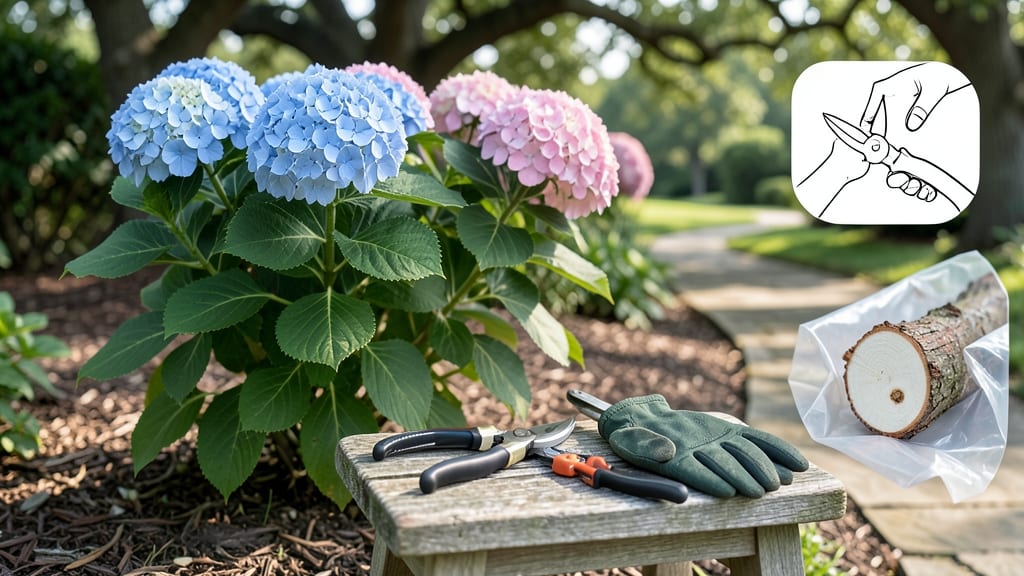
Cutting hydrangea flowers off at the right time ensures next year’s showstopping blooms—and doing it wrong can leave you with bare stems.
Struggling to get your hydrangeas to bloom again? The secret lies in late winter dormancy, when the plant is already preparing for new growth. Skip this window, and you risk pruning off next season’s buds before they even form.
Most hydrangeas thrive when pruned in late winter (February or early March), but the exact timing depends on your variety. Mophead types (like Endless Summer) need a cleaner cut, while panicle hydrangeas can handle a harder prune.
Get it wrong, and you might end up with no flowers—or worse, dead stems.
In this guide, I’ll walk you through the exact steps for when, how, and why to prune, plus how to spot the signs of a job well done (or a mistake to avoid). Ready to transform your hydrangeas into a lush, blooming masterpiece?
The best time to prune hydrangeas for maximum blooms next season
Pruning hydrangeas at the wrong time can mean no blooms next year. The key is understanding your plant's wood type—whether it blooms on old wood (last year's growth) or new wood (current season).
Late winter dormancy is your best window for most varieties, but timing varies. Let's break it down for your climate zone.
Hydrangeas like mophead and lacecap types bloom on old wood, meaning they set buds in late summer/fall. Pruning too early can remove next year's flowers. Meanwhile, panicle and oakleaf hydrangeas bloom on new wood, so they need late winter pruning to encourage fresh growth.
Knowing which type you have is critical for success.
When to cut hydrangea flowers off depends on your USDA hardiness zone. In northern zones (4-6), aim for late February to early March before buds swell. Southern gardeners (zones 7-9) should wait until mid-March to April to avoid early spring growth that might get damaged by frost. Always prune after the last frost date in your area.
| Hydrangea Type | Best Pruning Time | Why It Matters |
|---|---|---|
| Mophead (Old Wood) | Late March - Early April | Bud formation happens in late summer/fall |
| Lacecap (Old Wood) | Late March - Early April | Avoid cutting before buds set |
| Panicle (New Wood) | Late Winter (Feb-Mar) | Encourages vigorous new growth |
| Oakleaf (New Wood) | Late Winter (Feb-Mar) | Blooms form on current year's stems |
For old wood varieties like mophead hydrangeas, prune just after blooming in late summer (around August-September) to deadhead spent flowers. This keeps your plant looking tidy while allowing buds to form for next year.
However, never prune old wood types in late winter—this will remove next year's blooms before they even form.
If you're unsure which type you have, look at last year's growth. Old wood hydrangeas will have woody stems with dried flower heads from the previous season.
New wood types will show fresh green growth from this year. When in doubt, prune lightly in late winter and observe how your plant responds.
Regional climate plays a huge role. In warmer southern zones (7-9), hydrangeas may start growing as early as February. If you see new buds swelling before your target pruning time, wait a few weeks to avoid damaging tender growth.
Northern gardeners (zones 3-6) can prune earlier in late winter since cold dormancy keeps plants dormant longer.
Pro tip: Mark your pruning calendar with your last frost date and add 4-6 weeks afterward for old wood types. For new wood varieties, prune 2-4 weeks before your last frost date. This timing ensures you're cutting at the right dormancy stage for maximum bloom potential next season.
Always use clean, sharp pruners to make 45-degree cuts just above a bud or node. Avoid leaving stubs, as this can invite disease. After pruning, apply a layer of mulch around the base to protect roots and retain moisture for new growth.
Remember, patience is key. Hydrangeas may look bare after pruning, but they're preparing for a bigger, healthier bloom season next year. With the right timing, your hydrangeas will reward you with vibrant flowers that last all summer long. 🌸
Step-by-step guide: how to prune hydrangeas without killing them
Pruning hydrangeas might seem intimidating, but it’s one of the easiest ways to ensure vibrant blooms next season. The key is knowing where and how much to cut—and avoiding those common mistakes that leave your shrubs looking sad.
With the right tools and technique, you’ll transform your hydrangeas into a blooming powerhouse without risking their health.
First, gather your supplies: sharp bypass pruners, sterilized shears, gloves, and a bucket for clippings. Clean tools prevent disease, so wipe them with rubbing alcohol before you start. Hydrangeas are forgiving, but precision cuts make all the difference in their recovery and growth.
Look for brown, mushy, or hollow stems—these won’t recover. Cut these all the way to the ground using clean shears. Healthy stems are firm and green or brown with visible buds.
Cut spent flower clusters down to the first set of healthy buds (usually 3–5 inches below the bloom). This encourages new growth where the buds are located.
Never remove more than 1/3 of the plant’s total growth. For mature hydrangeas, this means 3–6 inches of pruning per stem. Over-pruning stresses the plant and reduces next year’s flowers.
Thin out crowded stems to improve airflow, which prevents fungal diseases. Aim for an open, vase-like shape—this lets sunlight reach inner buds for better blooming.
Remove all clippings from the area to prevent pests and disease. Add a 2-inch layer of mulch around the base to retain moisture and protect roots as new growth starts.
One of the biggest mistakes gardeners make is pruning at the wrong time. For most hydrangeas (like mophead and lacecap varieties), late winter or early spring—just as buds swell—is ideal. Avoid cutting back in fall or early winter, as this can leave stems vulnerable to frost damage.
After pruning, give your hydrangeas a light fertilizer application in early spring to support new growth. Water deeply at the base to help roots recover, and avoid overhead watering to prevent fungal issues. With patience, your hydrangeas will reward you with lush, abundant blooms by next summer.
Remember: Confidence comes with practice. Even if your first attempt isn’t perfect, hydrangeas are resilient. Just follow these steps, and you’ll be well on your way to show-stopping blooms year after year. 🌸