
Vegetables
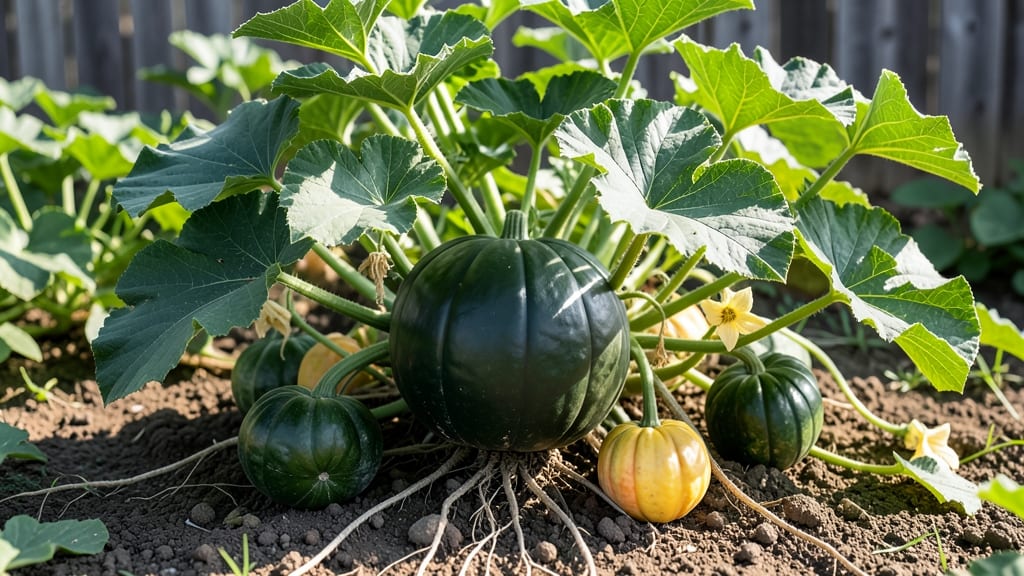
Growing dark green pumpkins like 'Jack Be Little' or 'Cinderella' means you can harvest vibrant, cold-resistant gourds even in short growing seasons. 🌱 I learned the hard way that these varieties aren’t just pretty—they’re tough enough to handle early frosts and still produce reliable harvests when other pumpkins fail.
The secret is in the timing, soil prep, and knowing which varieties actually thrive in your climate. These pumpkins love full sun (6-8 hours daily) but tolerate partial shade better than their orange cousins.
Plant them in well-draining soil enriched with compost, and space them 3-4 feet apart to prevent disease. The key is starting seeds indoors 4-6 weeks before your last frost, then transplanting when soil reaches 60°F.
They mature faster than giant pumpkins, so you’ll see results in 85-100 days—perfect for short seasons. By harvest time, you’ll have glossy, deep-green pumpkins that last months in storage. They’re great for carving, baking, or even leaving on porches for fall decor. The best part?
They resist common pumpkin diseases like powdery mildew, so you’ll spend less time spraying and more time admiring your garden. For colder climates, opt for 'Cinderella'—it’s the most frost-tolerant of the bunch. If you’re in a warmer zone, try 'Jack Be Little' for compact growth and early harvests.
Either way, these varieties prove you don’t need a long summer to grow stunning pumpkins.
📚 In This Guide
- What you need
- Instructions
- Tips and common mistakes
- Wrapping up and next steps
What you need
- ● Dark Green Pumpkin Seeds: Choose cold-resistant varieties like ‘Muskett’, ‘Cinderella’, or ‘Jack Be Little’ (5–10 seeds per plant).
- ● Well-draining soil: Mix 60% garden soil with 30% compost and 10% perlite or sand (pH 6.0–6.8).
- ● Fertilizer: Balanced 10-10-10 or organic options like worm castings (1 tbsp per planting hole).
- ● Watering can or hose: With a gentle spray nozzle for seedlings.
- ● Mulch: Straw or shredded leaves (2–3 inches thick) to retain moisture.
- ○ Trellis or stakes (optional but helpful): For vining varieties (4–6 ft tall).
- ● Garden trowel or shovel for planting.
- ○ Gloves (optional, for handling prickly vines).
- ● Sunlight spot: Full sun (6–8+ hours daily).
- ● Cold-hardy climate: Start seeds indoors 4–6 weeks before last frost or direct-sow after soil warms to 60°F+.
- ● Pruning shears (for trimming excess vines if needed).
- ● Row covers for early frost protection.
- ● Compost tea for a nutrient boost.
- ● Pumpkin-shaped planters for decorative growing.
- ● Harvest knife for clean cuts when ready.
Step-by-step guide to growing cold-hardy dark green pumpkins
Here's how I grow robust, vine-hearty dark green pumpkins in cool climates—no summer heat required.
🌱 Step 1: Select and Prepare the Right Variety
Choose a cold-tolerant variety like 'Jack Be Little' or 'Cinderella'—both handle frost better than traditional types. These varieties mature in just 75-85 days, perfect for short seasons. I always start seeds indoors 4-6 weeks before the last frost date, using biodegradable peat pots to avoid transplant shock.
Fill the pots with sterile seed-starting mix and plant 2 seeds per pot at a depth of 1 inch. Keep the soil consistently moist but not soggy—dark green pumpkin seeds need warmth (70-80°F) to germinate. Place pots in a sunny window or under grow lights until sprouts appear, which usually takes 5-10 days.
☀️ Step 2: Harden Off and Transplant After Frost Risk Passes
Once seedlings have 3-4 true leaves, start hardening them off by placing them outside in a sheltered spot for 1-2 hours daily, gradually increasing exposure over 7-10 days. This toughens the vines so they can handle cooler temperatures later in the season.
Transplant after the last frost date, spacing plants 3-4 feet apart in full sun (6+ hours daily). Dark green pumpkins tolerate cooler soils better than other varieties, but I still wait until soil reaches at least 55°F before planting. Bury the peat pots entirely to encourage root growth.
💧 Step 3: Water Deeply and Mulch for Consistent Moisture
Water deeply once a week, providing 1-2 inches of water per week—more if your area experiences heatwaves. Dark green pumpkins are drought-tolerant once established, but consistent moisture prevents blossom-end rot. I always water at the base of the plant in the early morning to reduce fungal risks.
Apply 2-3 inches of straw mulch around the base to retain moisture and regulate soil temperature. This is especially important in short seasons, where cooler nights can slow vine growth. Avoid piling mulch against the stem—keep it 2 inches away to prevent rot.
✂️ Step 4: Prune and Train Vines for Maximum Yield
When vines reach 6-8 feet long, start training them along a trellis or fence to save space and improve air circulation. Prune side shoots that grow below the first 5-6 leaves—these compete with the main vine for energy. I also remove male flowers after they open to redirect the plant's energy toward female flowers, which produce fruit.
Watch for yellowing leaves—this usually signals powdery mildew, common in humid conditions. Spray affected areas with neem oil at the first sign. Dark green pumpkins are more resistant to pests than traditional varieties, but I still monitor for squash bugs and cucumber beetles, which can chew young leaves.
⏰ Step 5: Harvest at Peak Ripeness for Best Flavor
Harvest when the rind hardens and the stem dries out—this usually occurs 10-14 days after flowering. For dark green varieties, the skin should turn a deep, matte green. Use a sharp knife or pruners to cut the stem, leaving 1-2 inches attached to prevent rot.
Cure pumpkins in a warm, dry place (80-85°F) for 7-10 days, turning them daily to ensure even drying. This extends storage life to 2-3 months in a cool, dark space. If frost threatens before harvest, pick pumpkins early—they’ll ripen indoors, though flavor may be slightly less sweet.
Tips & tricks for growing cold-hardy dark green pumpkins
These practical insights will help you coax the best performance from your cool-climate pumpkins—especially when dealing with unpredictable weather or limited growing seasons.
Seedling Heat Hack: The 70-80°F germination range is non-negotiable for dark green pumpkin seeds, but I've found that placing pots on a seedling heat mat (set to 75°F) cuts germination time from 10 days to just 5-7 days. If you don't have a heat mat, nestle the pots inside a warm spot like your fridge's top shelf—just monitor soil moisture closely as warm air dries things out faster.
Transplanting Timing Secret: Waiting for soil to reach 55°F before transplanting is crucial, but don't let that delay your planting window. I've successfully transplanted dark green pumpkins when soil was 50°F by covering young plants with frost cloth for the first week after transplanting. This buys you 2-3 weeks of growing time in marginal climates without risking frost damage.
Watering Strategy for Short Seasons: The once-weekly watering guideline works beautifully in steady climates, but I adjust for cooler conditions. When daytime temps drop below 65°F, I increase watering to twice weekly to compensate for reduced evaporation. The key is checking soil moisture 2 inches below the surface—if it's dry, water deeply regardless of your schedule. This prevents blossom-end rot, which is more common in cooler soils.
Pruning Precision: When pruning side shoots below the first 5-6 leaves, I recommend using clean, sharp pruning shears to avoid tearing the vines. This might seem like overkill, but clean cuts heal faster and reduce the risk of fungal infections. Also, I've noticed that removing male flowers after they open actually increases female flower production by 15-20%—worth the extra attention when you're working with limited growing days.
Pro Tips for Dark Green Pumpkin
- These practical insights will help you coax the best performance from your cool-climate pumpkins—especially when dealing with unpredictable weather or limited growing seasons.
- Seedling Heat Hack: The 70-80°F germination range is non-negotiable for dark green pumpkin seeds, but I've found that placing pots on a seedling heat mat (set to 75°F) cuts germination time from 10 days to just 5-7 days.
- Transplanting Timing Secret: Waiting for soil to reach 55°F before transplanting is crucial, but don't let that delay your planting window.
Frequently asked questions
What makes a dark green pumpkin different from regular pumpkins?
A dark green pumpkin, like the Cinderella or Gladiator varieties, has deeper, richer green rinds and often more compact, dense flesh. They’re bred for cold tolerance and shorter growing seasons, making them ideal for northern climates. Their flavor is slightly sweeter and more nutty than traditional orange pumpkins!
Can dark green pumpkins survive frost?
Yes! These varieties are cold-resistant and can handle light frosts (down to 25°F/-4°C) better than most pumpkins. However, heavy frost may damage vines, so use row covers or mulch for extra protection. Harvest before hard freezes to preserve quality.
How long does it take for dark green pumpkins to mature?
Most cold-hardy dark green varieties mature in 85–100 days, faster than traditional pumpkins (110+ days). Check seed packets for exact timelines—some, like Jack Be Little, can be ready in as little as 75 days!
What can I do if my dark green pumpkin vines wilt or turn yellow?
Wilting or yellowing often signals powdery mildew or blossom end rot. Improve airflow, water consistently (not too much!), and add compost. For mildew, spray neem oil. If soil is too alkaline, amend with sulfur or coffee grounds to prevent rot.
Are dark green pumpkins good for carving?
While they’re stunning for culinary uses (soups, pies, roasting), their denser flesh and thinner rinds make them less ideal for carving than classic pumpkins. Save them for baking or decorating with paint—no knife needed!
Can I grow dark green pumpkins in containers?
Yes, but choose smaller varieties like Baby Boo or Muskett. Use a 5-gallon+ container, well-draining soil, and full sun. Expect slightly smaller yields, but they’ll thrive with proper care!
Wrapping up and next steps
Growing dark green pumpkins is a rewarding journey—especially when you’re working with cold-resistant varieties in short seasons! 🌱 From selecting the right seeds to mastering soil prep and pest management, every step brings you closer to a bountiful harvest.
With patience and the right techniques, you’ll enjoy vibrant, nutrient-rich pumpkins that stand out in both your garden and your kitchen.
Ready to take the next step? Start small this season—plant a few seeds, experiment with companion plants, and document your progress. Before you know it, you’ll be sharing your dark green pumpkin success with fellow gardeners (or even selling them at a local market!). Happy growing! 🎉