
Flowers
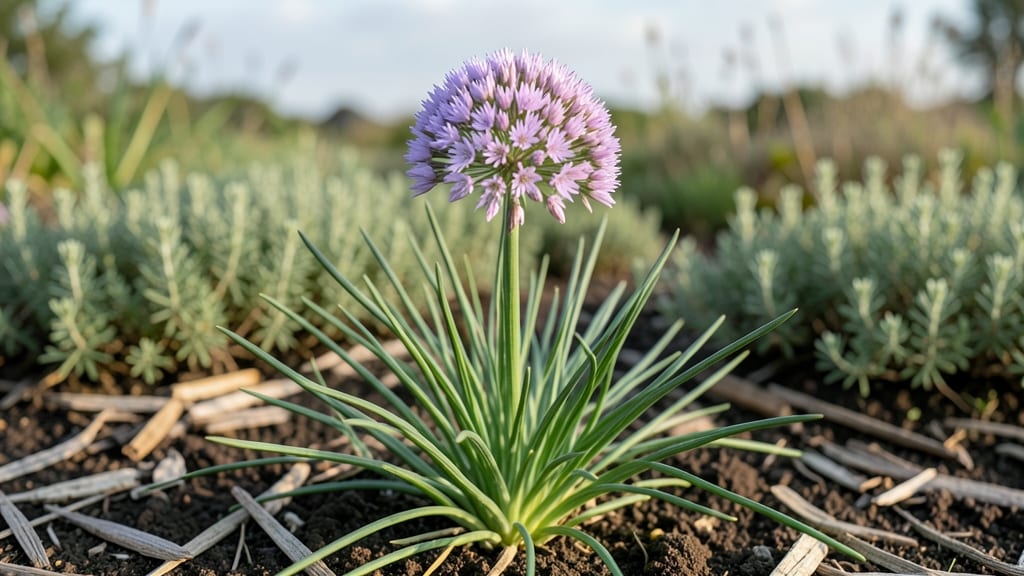
Chives do have flowers 🌿, and those delicate purple spikes are far more than just pretty—they’re edible, aromatic, and a secret ingredient in your kitchen.
If you’ve ever wondered whether those delicate purple spikes sprouting from your chive plants are just decorative—or secretly edible—you’re in the right place. Chives aren’t just a kitchen staple; their flowers pack a flavor punch and can elevate dishes from ordinary to extraordinary.
These tiny blooms appear in late spring to early summer, typically 60 days after planting, and taste like a milder, sweeter version of the green stems you already love.
Whether you’re growing chives in your garden or a sunny windowsill, encouraging their flowers is easier than you think—and the payoff is worth it.
Below, I’ll walk you through everything you need to know: when and why chives flower, how to harvest them for cooking, and even a few creative ways to use them beyond the plate. Let’s make the most of your chive harvest!
Chive flower characteristics: when, why, and how they grow
Yes, chives absolutely have flowers, and they’re not just pretty—they’re packed with flavor! Those delicate purple spikes you’ve spotted are actually edible blossoms that taste like a milder, sweeter version of the leaves.
Understanding when and why chives flower helps you harvest them at peak flavor and even encourage more blooms for culinary or ornamental use.
Chive flowers typically emerge in late spring to early summer, around May to June in most USDA zones. This timing aligns with the plant’s natural lifecycle, where mature chives (those at least 12-18 inches tall) shift energy from leaf production to flowering.
The blooms grow on stems reaching 12-24 inches, standing tall above the grass-like foliage.
The flowers themselves are small, star-shaped, and deep purple, clustered together in spherical heads. Each bloom is about ¼-inch wide, with six petals radiating from a central yellow-green core. These aren’t just decorative—they’re culinary gems that add a subtle onion-garlic note to dishes, perfect for garnishes or infusions.
The botanical trigger for chive flowering is a combination of plant maturity and environmental cues. Chives are perennial herbs, meaning they live for multiple years and flower annually once established.
In their first growing season, chives focus on leaf production, but by year two, they’ll reliably send up flower stalks if conditions are right.
Key factors that encourage flowering include full sun exposure, well-draining soil, and consistent moisture. If your chives aren’t flowering, check for shady spots or over-fertilization with nitrogen, which promotes leafy growth at the expense of blooms.
For culinary use, you’ll want to harvest flowers before they fully open—this concentrates their flavor.
Chive flowers also play a critical role in pollinator gardens. Bees and butterflies are drawn to their nectar-rich blooms, making chives a low-maintenance pollinator magnet.
If you’re growing chives for both food and ecology, avoid removing all flower stalks—leave some to support local wildlife while harvesting others for the kitchen.
To encourage more blooms, try these proven strategies: deadhead spent flowers to redirect energy to new growth, ensure the plant gets at least 6 hours of sun daily, and avoid heavy nitrogen-rich fertilizers.
Instead, use a balanced 5-10-10 fertilizer in early spring to support both foliage and flowers.
One common misconception is that chive flowers are inferior to the leaves. In reality, they offer a unique flavor profile—sweeter and more complex than the green parts. Try them in salads, soups, or as a vinegar infusion to experience their full potential.
The best time to harvest is in the morning after the dew has dried but before the sun intensifies their flavor.
If you’re growing chives in containers, choose pots that are at least 6 inches deep to accommodate the flowering stalks. Container-grown chives may flower slightly later than in-ground plants, but with proper care, they’ll still produce abundant, edible blooms.
Just remember: well-draining soil is non-negotiable to prevent root rot, which can stress the plant and reduce flowering.
For gardeners in cooler climates (USDA zones 3-5), chive flowers may appear slightly later, often in June or even July. In warmer zones (6-10), flowering can start as early as April.
Pay attention to your local last frost date—chives planted 4-6 weeks before frost will have more energy to devote to flowering the following season.
Harvesting and using chive flowers in cooking: flavor profile and recipes
Chive flowers aren’t just pretty—they’re edible delights with a subtle onion-garlic flavor that’s milder than the leaves. These purple-pink star-shaped blooms appear in late spring to summer, adding a delicate crunch and visual appeal to dishes.
When harvested at peak bloom, they’re perfect for garnishes, infusions, and creative recipes that elevate simple meals to gourmet status.
To use chive flowers in cooking, start by harvesting them early in the morning after dew has dried. Snip the entire flower stalk just above a leaf node to encourage regrowth.
Avoid over-harvesting—leave at least one-third of the flowers to support pollinators and seed production. Rinse gently under cool water and pat dry with a paper towel to remove dirt or insects.
- Garnishes: Sprinkle whole or chopped flowers over soups, salads, and eggs for a pop of color and mild onion flavor.
- Infused Oils: Add 2 tbsp flowers to 1 cup olive oil for a fragrant, edible garnish (store in a dark glass bottle in the fridge).
- Butter Infusions: Mix 1 cup softened butter with 1 tbsp chopped flowers and chill for 2 hours before serving on toast or grilled meats.
- Vinegars: Steep 1 cup flowers in 2 cups apple cider vinegar for 2 weeks, then strain for a floral-onion dressing.
- Preservation: Dry flowers in a dehydrator or low oven (170°F) for 2-3 hours, then store in an airtight container for up to 6 months.
Chive flowers pair beautifully with creamy dishes like mashed potatoes, rich cheeses such as goat cheese, and light proteins like fish or chicken. Their flavor complements citrus notes, so try adding them to lemon-infused dishes or a bright vinaigrette.
For a unique twist, blend dried flowers into homemade bread or crackers—they add a subtle herbal crunch that’s sure to impress.
If you’re new to cooking with chive flowers, start with a simple butter infusion. Melt 1 cup unsalted butter in a saucepan, remove from heat, and stir in 1 tbsp chopped flowers.
Let it cool, then refrigerate for at least 2 hours to infuse the flavors. Spread the butter on warm toast or grilled bread—the floral notes will complement the richness perfectly.
For a longer-lasting harvest, preserve chive flowers by freeze-drying or making flower honey. To make honey, layer chive flowers and raw honey in a jar, seal, and let sit for 2-3 weeks before straining.
This floral honey is perfect for drizzling over yogurt, pancakes, or cheese boards. Always label preserved flowers clearly to avoid confusion with ornamental blooms.
Remember, chive flowers are not just for eating—they’re a boon for pollinators. By leaving some blooms on your plants, you’ll support bees and butterflies while still enjoying a bountiful harvest.
Whether you’re a seasoned chef or a beginner gardener, these edible blooms are a versatile and rewarding addition to your kitchen. 🌱🌸