
Planting
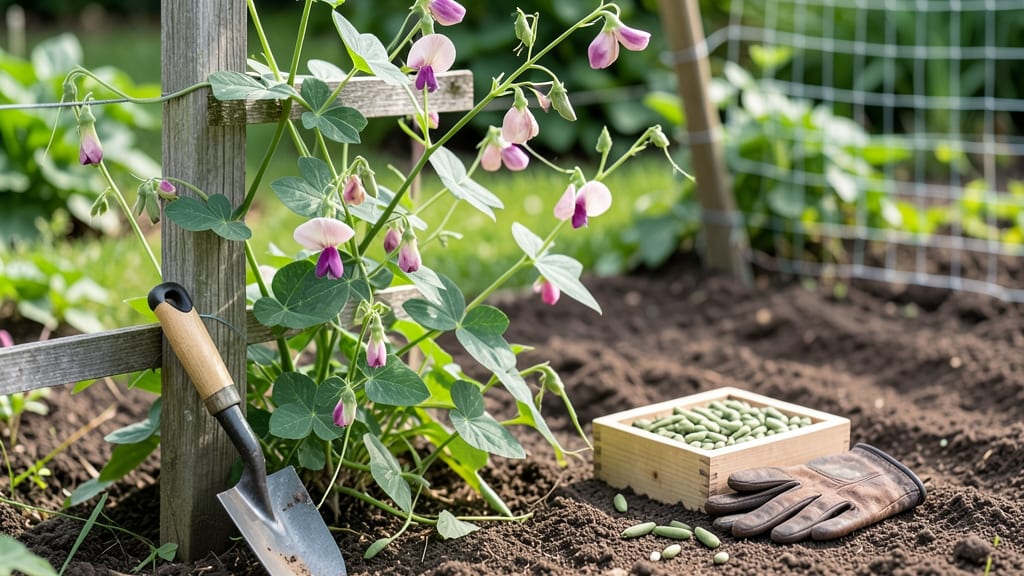
To plant sweet pea flowers successfully, start by soaking seeds overnight for faster germination and stronger vines—this simple step cuts your wait time by nearly half.
Sweet peas aren’t just beautiful climbers—they’re fragrant, fast-growing, and perfect for adding vertical charm to any garden. But planting them wrong means weak stems, sparse blooms, and wasted effort.
You’ll learn the exact soil prep, planting depth, and spacing needed to ensure vigorous growth, plus how to train them on a trellis for maximum height and longer blooms.
From timing your spring planting after the last frost to watering tips that keep roots happy, this guide covers everything you need for healthy, thriving sweet peas all season long.
Step-by-step sweet pea planting guide for healthy growth and strong vines
Sweet peas thrive when planted with care, and the secret to strong vines and abundant blooms starts with proper planting techniques. Unlike many flowers, sweet peas need cool soil and gentle handling to avoid leggy growth.
I’ve planted these fragrant climbers for years, and the difference between weak, floppy stems and robust, towering vines comes down to these 5 key steps. Let’s get started with the right timing and soil prep.
Timing is everything for sweet peas. Plant seeds 4-6 weeks before your last frost date—typically March to early April in most USDA zones. In warmer climates, aim for fall planting (September-October) to take advantage of cooler temperatures.
Sweet peas hate heat, so avoid planting when soil temps exceed 75°F. I once planted mine in late April, and the heat stressed the seeds, resulting in poor germination.
🌱 Step-by-Step Sweet Pea Planting Guide
- 1. Soak seeds overnight in lukewarm water to soften the hard outer shell and speed up germination. This step cuts germination time in half—from 2-3 weeks to just 7-10 days.
- 2. Prepare loose, well-draining soil with a mix of compost and perlite (3:1 ratio). Sweet peas prefer slightly acidic to neutral soil (pH 6.5-7.0). Test your soil and amend if needed—compacted soil leads to weak stems and poor root development.
- 3. Plant seeds 1 inch deep in rows spaced 12-18 inches apart. For individual plants, space seeds 4-6 inches apart. Press seeds gently into soil—don’t bury them deeper, or they won’t sprout.
- 4. Water gently but thoroughly to settle soil around seeds. Use a fine mist or watering can to avoid displacing seeds. Keep soil consistently moist (not soggy) until germination.
- 5. Install trellises early (as soon as seedlings reach 3-4 inches tall). Sweet peas need support to climb, and weak stems can’t handle sudden weight. Use 5-6 foot tall trellises for standard varieties.
One of the biggest mistakes I see is overcrowding seeds. Planting them too closely leads to competition for nutrients and increased disease risk. Stick to the 4-6 inch spacing for single plants or 12-18 inches for rows.
If you’re growing multiple varieties, space rows 2 feet apart to allow airflow and reduce humidity-related issues like powdery mildew.
After planting, mulch around seedlings with straw or shredded leaves to retain moisture and suppress weeds. Mulch also keeps soil temps cooler, which sweet peas prefer. I use 2-3 inches of mulch and replenish it every few weeks. Avoid thick layers—too much mulch can smother young plants.
Watering is another critical factor. Sweet peas need consistent moisture, especially during flowering. Water at the base of plants in the morning to prevent fungal diseases. Let the top 1-2 inches of soil dry between waterings, but never let plants wilt.
Overwatering is just as harmful as underwatering—it causes root rot and weak stems.
For best results, fertilize lightly after the first true leaves appear. Use a balanced fertilizer (5-10-10) at half strength. Too much nitrogen leads to leafy growth at the expense of flowers.
I apply fertilizer every 4-6 weeks during the growing season, but skip it once flowering begins. Sweet peas are light feeders—they thrive on organic matter rather than synthetic nutrients.
Finally, protect seedlings from pests like slugs and aphids. Handpick slugs at night (they’re most active then) or use organic slug bait around the base of plants. For aphids, spray plants with a mix of water and mild soap.
I’ve found that companion planting with marigolds deters pests naturally and adds color to the garden.
With these steps, your sweet peas will grow into strong, fragrant climbers that bloom profusely from early summer until frost. The key is patience—sweet peas take 60-90 days to flower, but the wait is worth it for their intoxicating scent and stunning vertical display. Happy planting! 🌸
Best trellis types and training methods for maximum sweet pea height
Sweet peas thrive when given proper support, and the right trellis type can transform weak vines into towering displays of fragrant blooms. Without sturdy support, their delicate stems flop, leading to sparse flowers and wasted vertical space.
The key is choosing a material that balances durability with flexibility, plus training methods that encourage upward growth. Let’s explore the best options to maximize height and extend your blooming season.
Your trellis choice directly impacts sweet pea height and flower production. Wooden trellises offer a classic look and excellent support, while metal structures provide long-lasting durability. Plastic options are lightweight and affordable but may lack the strength for heavy blooms.
Each material has trade-offs, so let’s compare them side by side to help you decide which fits your garden best.
Once you’ve chosen your trellis, the training method determines how efficiently your sweet peas climb and bloom. The spiral method encourages even growth by wrapping vines around the trellis in a circular pattern, while the zigzag technique directs vines upward in a diagonal path.
For bushier growth, try the fan method, where vines are spread horizontally at intervals. Each technique has its advantages depending on your garden layout and desired display.
For maximum height, I recommend starting with the spiral method when vines reach 6 inches tall. Gently twist the main stem around the trellis every 4-6 inches to create upward momentum. This method not only supports the plant but also prevents flopping and encourages stronger stems.
Pair this with regular deadheading to redirect energy into new blooms rather than seed production, extending your flowering season by 2-3 weeks.
Proper trellis training also helps prevent disease by improving air circulation around the vines. Avoid overcrowding on the trellis, and prune any side shoots that aren’t climbing upward. If you notice weak stems or excessive flopping, switch to the zigzag method to provide better directional support.
With the right trellis and training, your sweet peas can reach their full 6-10 ft potential and keep blooming until frost.
Remember, the earlier you start training, the better. Begin guiding vines when they’re young and flexible—once they’re woody, they’ll struggle to adapt. Combine your trellis choice with consistent care, and you’ll enjoy a vertical garden bursting with fragrant sweet peas all season long. 🌸