
Blooming
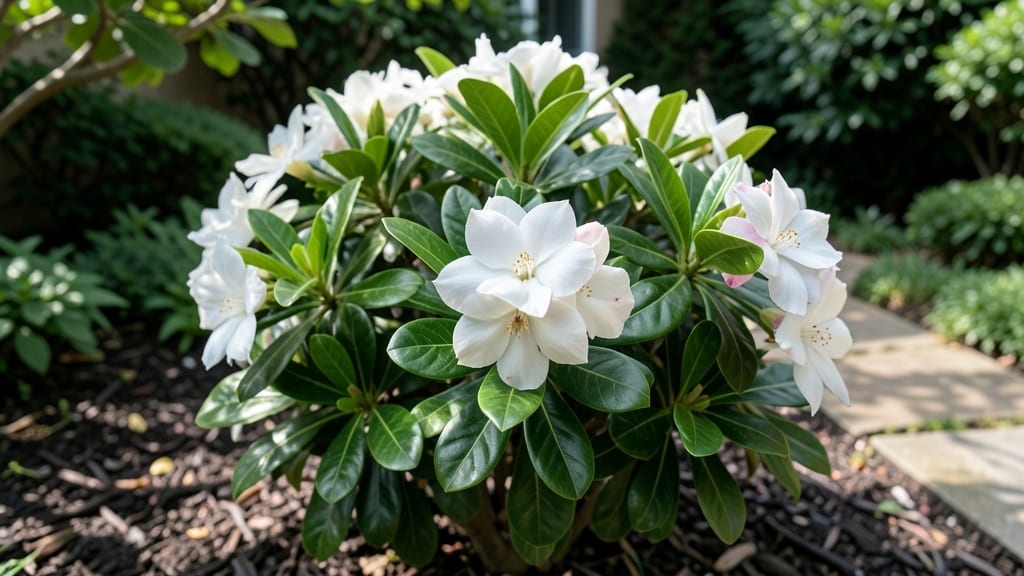
Gardenia blooms thrive during their flowering season from June through September, when your garden can fill with their intoxicating fragrance 🌸 — but timing and care are the keys to coaxing those showstopping blooms.
If you’ve ever struggled to coax fragrant gardenia blooms from your plant, timing is everything—these tropical beauties follow a precise flowering season that demands seasonal adjustments for success.
In warmer climates like USDA Zones 9-11, gardenias may bloom year-round, but in cooler areas like Zone 6, they rely on spring warmth and long daylight hours to trigger their peak flowering season.
Below, I’ll break down the month-by-month care routine—from pruning in late winter to fertilizing in early summer—to ensure your gardenia puts on its best show, with tips tailored to your climate and plant type.
Gardenia flowering season timeline: when and why blooms appear
Gardenia plants follow a predictable flowering cycle that's heavily influenced by their tropical origins. In their natural USDA zones 9-11, gardenias bloom primarily from late spring through summer, but container-grown plants or those in cooler zones can show variations.
Understanding these patterns helps you time care adjustments perfectly for maximum blooms.
The key to gardenia flowering lies in light exposure and dormancy triggers. These plants need 12-14 hours of daylight to initiate blooming, which explains why they typically flower in spring and summer when days lengthen.
In cooler climates, they may enter a dormant period during winter, requiring different care strategies.
Here's a month-by-month breakdown of what to expect from your gardenia's flowering cycle:
| Month | Blooming Activity | Light Needs | Care Focus | Regional Notes |
|---|---|---|---|---|
| January | Dormant (Zones 8-11) | Bright indirect light | Minimal watering | Zones 9-11: Light blooms |
| February | Bud formation begins | Increasing daylight | Light fertilizer | Containers: Move indoors |
| March | Peak bud development | 6+ hours sunlight | Prune dead growth | Zones 9-11: First blooms |
| April | Full bloom season | Morning sun only | High humidity | Zones 7-8: First blooms |
| May | Continuous blooming | Partial shade | Regular feeding | All zones: Peak season |
| June | Blooming slows | Afternoon shade | Deadhead spent blooms | Zones 9-11: Second flush |
| July-August | Dormancy prep | Filtered light | Reduce watering | Containers: Move to shade |
| September | Bud formation | Bright indirect | Light pruning | Zones 9-11: Late blooms |
| October-November | Dormant (Zones 8+) | Minimal light | No fertilizer | Containers: Indoor care |
| December | Rest period | Low light tolerance | Check for pests | Zones 9-11: Occasional blooms |
The science behind gardenia blooming involves photoperiodism—the plant's response to daylight length. When days exceed 12 hours, gardenias receive a signal to produce flower buds. In cooler climates, this typically happens in late winter/early spring, while tropical gardenias may bloom year-round with proper care.
Container-grown gardenias in USDA zones 7 and below often require winter protection. Moving them indoors to a bright, cool location (60-65°F) mimics their natural dormancy period. Without this adjustment, they may fail to bloom properly the following season. The key is maintaining consistent moisture during dormancy while reducing fertilizer applications.
For gardeners in zones 9-11, the flowering season extends longer, often from spring through fall. These plants may produce two bloom cycles—one in spring and another in late summer—if given proper care.
The trick is maintaining acidic soil (pH 5.0-6.5) and consistent moisture year-round to support continuous blooming.
One common misconception is that gardenias bloom only once per year. In reality, with proper care—especially in tropical climates—they can produce flowers year-round. The secret lies in maintaining optimal growing conditions throughout all seasons, particularly humidity levels above 50% and protection from harsh
Seasonal care adjustments for year-round gardenia blooms
Gardenia plants thrive on routine, but their flowering season demands extra attention to light, humidity, and nutrients. In tropical climates (USDA zones 9-11), gardenias bloom year-round, while temperate zones (6-8) see peak blooms from late spring to summer.
The key to extending your gardenia’s blooming window? Seasonal adjustments that mimic its natural tropical environment.
Start by understanding your gardenia’s light requirements. These plants love bright, indirect light—think morning sun with afternoon shade. In summer months, watch for leaf scorch from intense afternoon rays.
For indoor gardenias, rotate pots weekly to ensure even light exposure. Humidity is equally critical; gardenias hate dry air, which causes bud drop.
- Spring (March-May): Prune spent blooms and feed with acidic fertilizer (pH 5.0-6.5) to encourage new growth. Increase watering as temps rise.
- Summer (June-August): Boost humidity with pebble trays or misting (avoid wetting flowers). Prune lightly after blooms to shape the plant and remove dead wood.
- Fall (September-November): Reduce fertilization to prepare for dormancy. Move container gardenias indoors before first frost (USDA zone 8 and below).
- Winter (December-February): In non-tropical zones, provide dormancy care: reduce watering to bi-weekly and keep in a cool, bright spot (50-60°F). Avoid fertilizing.
For year-round blooms in colder climates, focus on winter dormancy strategies. Gardenias in pots can be moved indoors near a south-facing window or under grow lights (12-14 hours/day).
If outdoors, mulch heavily around the base to insulate roots. In zone 9 and above, gardenias may bloom lightly in winter if given consistent humidity and moderate temperatures.
Fertilization plays a pivotal role in bloom production. Use a balanced, acidic fertilizer (like 10-10-10) every 6 weeks during spring and summer. In fall and winter, skip fertilizing to let the plant rest.
Over-fertilizing in winter can stress the plant and lead to bud drop. Always water deeply after fertilizing to prevent root burn.
Pruning is another game-changer. After the flowering season, trim back dead or crossing branches to improve air circulation. For container gardenias, prune lightly in early spring to encourage bushier growth.
Avoid heavy pruning in late summer, as this can delay next year’s blooms. Always use sterilized shears to prevent disease.
Pro tip: Group gardenias with other humidity-loving plants like ferns or calatheas to create a microclimate. A hygrometer helps monitor humidity levels—aim for 50-70% humidity. If your home is dry, a humidifier or pebble tray with water beneath the pot works wonders.
With these seasonal tweaks, your gardenia can bloom beautifully almost year-round, even in non-tropical zones! 🌿